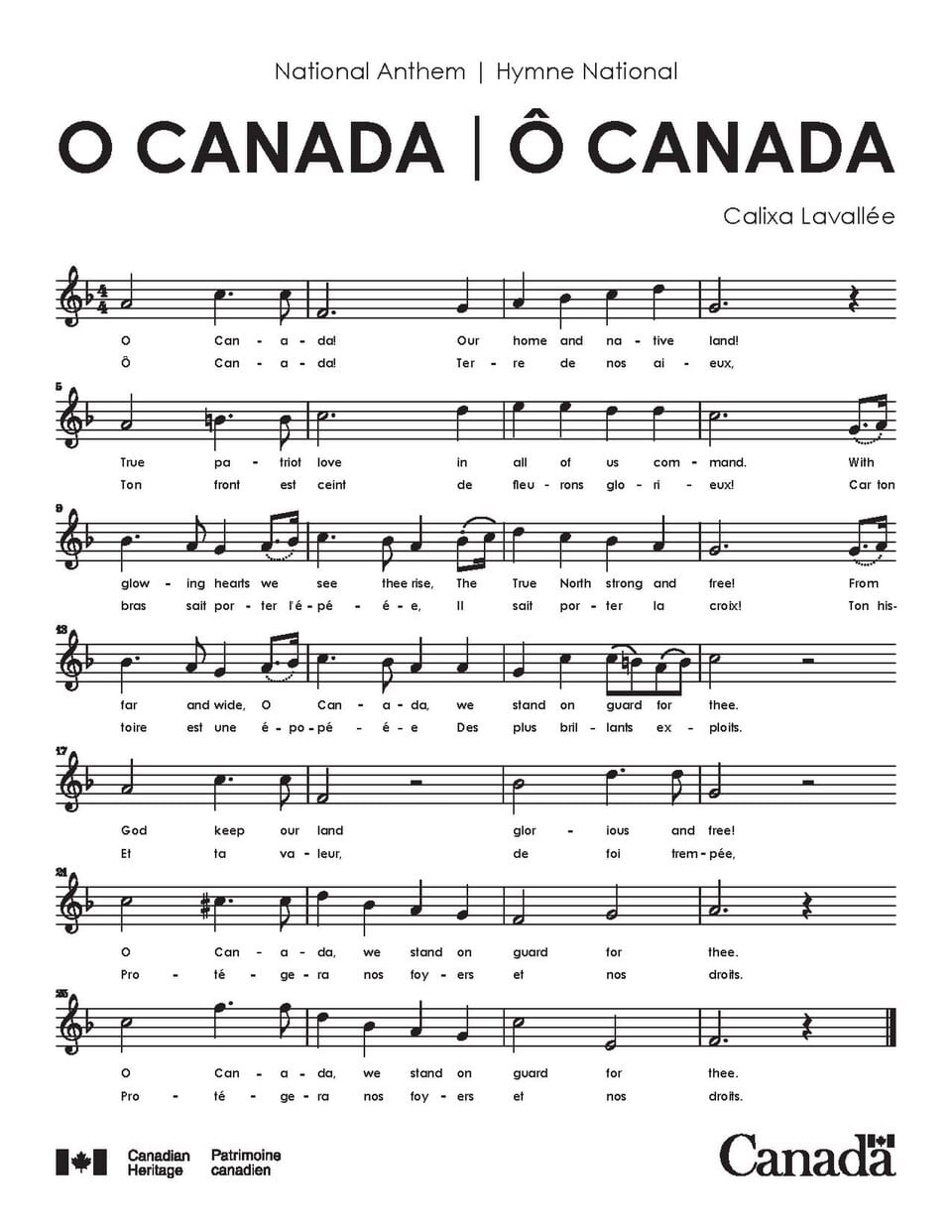
O Canada! by Robert Stanley Weir arrives on LibriVox not as a single solemn track, but as ten distinct recordings that catch the anthem at different angles. Spoken and sung, in English and French, this short piece becomes something unexpectedly expansive: a study in how one work sounds when it passes through many voices at once.
Framed as a Weekly Poetry project from June 25, 2006, the LibriVox collection treats “O Canada!” as living text rather than museum piece. Across ten chapters, it invites you to listen for nuance in tempo, accent, and emotion, and to hear how a familiar national song, first published in 1880, still moves people enough to lend it their breath.
Key facts
- Author
- Robert Stanley Weir
- Genre
- Multi-version (Weekly and Fortnightly poetry)
- Published
- 1880
- Language
- English
- Chapters
- 10
What is “O Canada!” by Robert Stanley Weir in the LibriVox version?
The LibriVox release of O Canada! collects ten separate recordings of Robert Stanley Weir’s text, grouped under the platform’s “Multi-version (Weekly and Fortnightly poetry)” genre. It is not a single definitive performance. Instead, each of the ten chapters is its own take on the same piece, recorded by different volunteers, which means every track carries a slightly different emotional temperature.
The summary describes it as a Canada Day 2006 celebration, and that framing matters. The project sits within LibriVox’s Weekly Poetry series, so it treats the anthem as a poem first and a public ritual second. Some versions are spoken, some are sung, and you can choose English or French performances depending on what you want to hear in that moment.
Because the work is so short, the multi-version format turns listening into a kind of experiment. You might play three or four versions back to back and notice how a slower spoken reading lets the words settle, while a sung rendition leans into melody and collective memory. The key takeaway here is simple: this is “O Canada!” as a set of possibilities, not a fixed monument.
“This LibriVox “O Canada!” is not a single definitive track, but ten small experiments in how one anthem can sound.”
Robert Stanley Weir, 1880, and the anthem as poetry
The LibriVox catalog credits Robert Stanley Weir as the author and lists 1880 as the publication year, placing this text in a late‑19th‑century context. Hearing the words in that light, especially in a spoken version, you are suddenly aware that you are listening to an artifact of that era, shaped by its assumptions, its sense of nationhood, and its public style of language.
Classified as “Multi-version (Weekly and Fortnightly poetry), ” the project treats Weir’s work explicitly as poetry. That small genre tag reshapes expectations. Instead of approaching it only as something to stand up for, you begin to notice cadence: where the line breaks seem to fall in the volunteers’ readings, where emphasis lands, how the rhythm of English in 1880 differs slightly from a contemporary speaker’s patterns.
The ten-chapter structure reinforces that literary angle. Each reader, responding to the same 19th‑century text, makes a quiet editorial decision about how formal or intimate to sound. Put on a slower, more reflective track and you may hear the anthem less as ceremony and more as lyric: a set of images and invocations that share shelf space with other poems of its time.
“Listen to “O Canada!” as a poem from 1880 and the familiar anthem suddenly feels like a piece of late‑19th‑century public literature.”
Spinn Radio
Listen to O Canada! on Spinn Radio
Why “O Canada!” still feels fresh in a multi-version recording
Although the words trace back to 1880, the LibriVox project was built around Canada Day 2006, which means the performances are shaped by a contemporary sense of what the anthem means. That mix of historical text and modern volunteer voices is part of why it endures. You are not just hearing an old poem; you are overhearing people in 2006 deciding how to sound its lines into a microphone.
The simple production concept keeps the work alive. Multiple versions encourage re‑listening. One day you might prefer a clear, almost documentary spoken delivery that lets the wording stand starkly. On another, a sung track might catch your mood better, turning the piece into something communal and celebratory. The very fact that LibriVox could assemble ten distinct recordings for a Weekly Poetry slot suggests the text still inspires enough curiosity and affection to warrant that effort.
For listeners who usually encounter “O Canada!” only at formal events, this collection is a reminder that the piece can be personal. In the quieter recordings, you hear breath, room tone, and the modest intimacy of a home microphone. The anthem feels less like a command to stand, more like a short poem one reader is sharing directly with another.
“In these ten home‑recorded takes, “O Canada!” stops being only ceremonial and starts sounding personal.”
Choosing your ideal “O Canada!” listening path
Because the LibriVox collection is organized into ten chapters, you can treat it like a tasting flight. First, decide on language. Although the project came together under an English‑language listing, it explicitly notes that you can choose English or French performances, so bilingual listeners can switch between the two and feel how the same idea moves differently through each tongue.
Next, decide between spoken and sung. Spoken tracks foreground the text as literature. You will catch subtleties of phrasing that often vanish beneath melody in public performances. Sung versions, on the other hand, give you the familiar arc of the anthem, the rise and fall that many listeners know by heart. It can be satisfying to begin with a spoken reading, then follow it immediately with a sung version to hear how the same line breaks expand into melody.
Because each chapter is short, the listening experience fits neatly into a commute, a walk, or a focused study session. You can sample all ten in one sitting and notice which readers you gravitate toward. That is the quiet pleasure of this particular audiobook: the commitment is small, but the variation is rich enough that you may find yourself replaying a favorite rendition in the way you might replay a beloved song.
“Treat the ten chapters like a tasting flight: spoken, sung, English, French, each one a slightly different flavor of the same anthem.”
How to listen to this LibriVox “O Canada!” as an audiobook
Although LibriVox is often associated with long novels, this project proves how satisfying a brief, tightly focused collection can be as an audiobook experience. With only ten chapters, each offering a new take on Robert Stanley Weir’s words, you can listen straight through for a half‑hour immersion in variations, or dip in and out when you want a quick, grounding ritual.
Listening on headphones tends to bring out the intimacy of the volunteer recordings. You hear the small imperfections and personal choices that make each version distinct: a held note here, a slight pause between lines there. If you prefer a more ambient experience, playing the collection aloud in a room on Canada Day turns it into a subtle soundtrack, shifting from one voice to another as people come and go.
The project’s roots in the Weekly Poetry series also give it a built‑in rhythm. Weekly and Fortnightly poetry recordings are meant to be repeatable, to be revisited. “O Canada!” fits that pattern neatly. It is short enough to become a recurring listen, something you return to at different moments of the year to see how the same words land in a changed mood.
“As an audiobook, this “O Canada!” works like a ritual: ten short tracks you can return to whenever you need a familiar text in a slightly new voice.”
Good to know
Frequently asked questions
Who wrote O Canada! by Robert Stanley Weir?
O Canada! in this LibriVox project is credited to author Robert Stanley Weir. His text is treated here as a poem, recorded in multiple volunteer versions.
When was O Canada! by Robert Stanley Weir published?
O Canada! by Robert Stanley Weir is listed with a publication year of 1880. Hearing the 2006 recordings against that date highlights the text’s long life in public culture.
What genre is O Canada! by Robert Stanley Weir on LibriVox?
O Canada! by Robert Stanley Weir is categorized in the genre “Multi-version (Weekly and Fortnightly poetry).” That classification frames the anthem explicitly as a poem with many readings.
How many chapters are in the O Canada! by Robert Stanley Weir audiobook?
The LibriVox O Canada! by Robert Stanley Weir project has 10 chapters. Each chapter is a separate recording of the same text by different volunteers.
What language is the O Canada! by Robert Stanley Weir recording listed in?
O Canada! by Robert Stanley Weir is listed in English in the LibriVox details. The project description notes that listeners can choose English or French, spoken or sung versions.
Sources