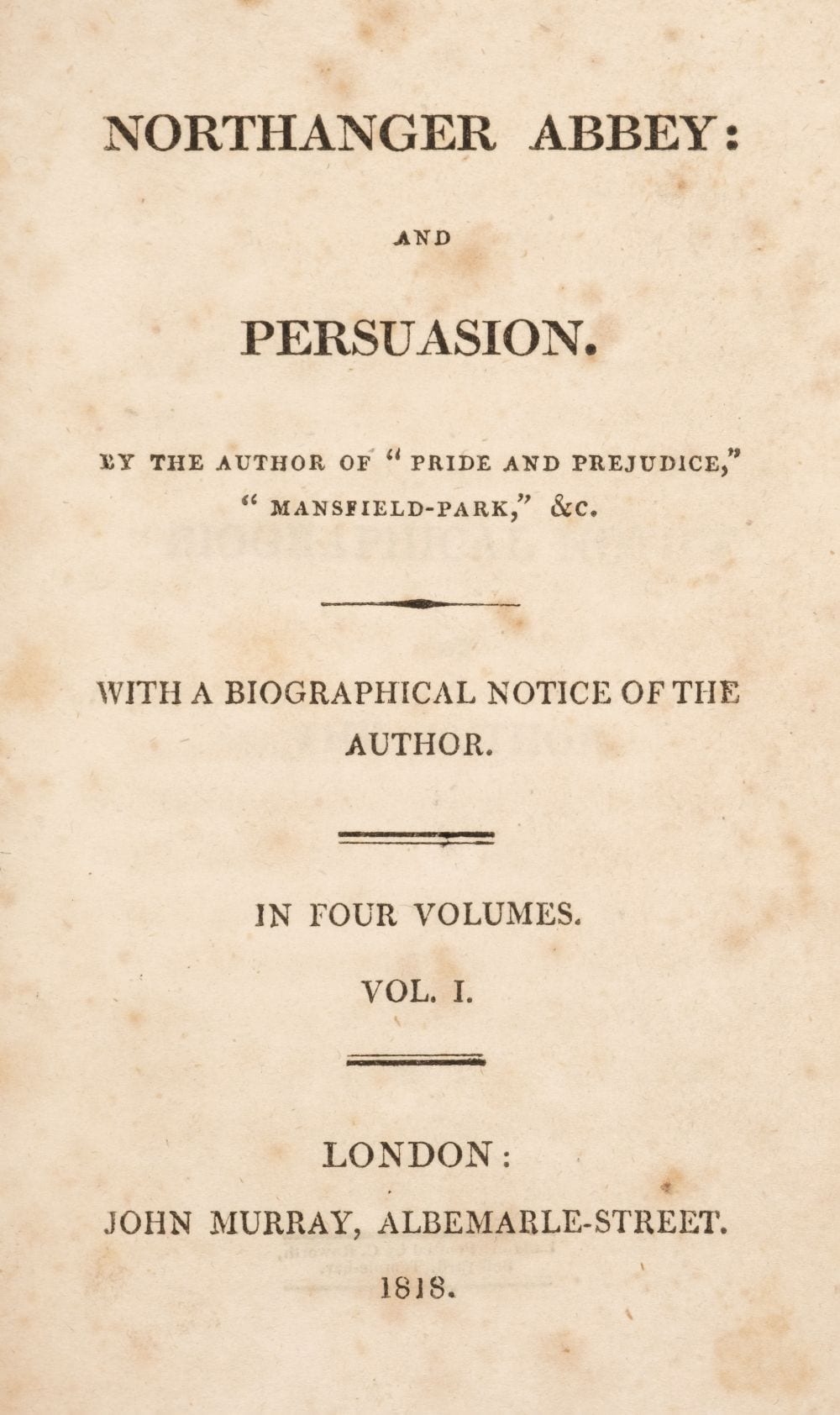
Northanger Abbey has popped back into headlines this week, thanks to Deadline’s reports on a troubled film production and a lawsuit from crew after the Jane Austen project failed. Away from the courtroom, though, Austen’s first gothic parody still plays beautifully in the ears, its satire of “horrid” novels and hazardous social games made for an audiobook listen.
Written by Jane Austen and first published in 1803, this is classified today as Horror & Supernatural Fiction, but its real hauntings are emotional: teenage crushes, bad influences, and the thrill of imagining a haunted abbey behind every closed door. Across 31 brisk chapters, the book follows 17‑year‑old Catherine Morland from her reading chair to the pleasure-seeking whirl of Bath, then on to the eerie-sounding Northanger itself.
Key facts
- Author
- Jane Austen
- Genre
- Horror & Supernatural Fiction
- Published
- 1803
- Language
- English
- Chapters
- 31
What is the story of Northanger Abbey about?
At its core, Northanger Abbey is a coming-of-age story disguised as a gothic romp. Seventeen-year-old Catherine Morland is a voracious reader of “horrid” gothic novels, the sort filled with haunted corridors and sinister aristocrats. When she is invited to Bath, she hopes real life will finally deliver the kind of gothic-style terror she has been reading about.
Instead, the dangers she meets are painfully ordinary: flirtations that go nowhere, friendships that turn out to be shallow, and the intricate, often cruel rules of upper-class society. Bath proves more treacherous than any cursed castle, which is precisely Austen’s joke. The gap between Catherine’s melodramatic expectations and the polite but perilous world she actually walks through is where the novel’s comedy and tension live.
The eventual trip to Northanger Abbey, the Tilney family’s home, gives Catherine a setting worthy of her imagination: an old building, a mysterious patriarch, and plenty of shadows. The fun for listeners is hearing how her gothic fantasies collide with everyday motives like money, manners, and matchmaking.
“Bath turns out to be more treacherous than any haunted castle Catherine ever read about.”
Jane Austen, 1803, and her playful gothic parody
Jane Austen completed Northanger Abbey early in her career, and it was first published in 1803. The book belongs to a moment when gothic fiction was wildly popular, full of secret passages and supernatural thrills, and Austen clearly knew those stories well enough to tease them.
The official genre label here is Horror & Supernatural Fiction, but Austen uses the trappings of horror to spotlight human behavior. She sends up the excesses of the gothic form and, at the same time, uses its atmosphere to sharpen our view of Catherine’s naivety. The supernatural is always just offstage, suggested rather than shown, because the real drama lies in how people treat one another.
Hearing this in audiobook form lets Austen’s tonal play really register. You can feel when she is leaning into a spooky description and when she undercuts it with a wry aside. Even without visible jump scares or literal ghosts, the mood turns on a sentence: one moment mock-ominous, the next utterly domestic.
“Austen borrows the trappings of horror, then quietly proves that people are scarier than any ghost.”
Spinn Radio
Listen to Northanger Abbey on Spinn Radio
Why Northanger Abbey still feels sharp and modern
Northanger Abbey endures because its themes are instantly recognizable. Catherine is a teenager shaped by her media diet, filtering real people through the stories she loves. Today that might be true crime podcasts or prestige TV; for Catherine it is gothic horror. Either way, Austen is asking how stories warp our sense of danger, romance, and trust.
The Bath sections, full of superficial encounters and calculated charm, feel oddly contemporary. Social climbing, mixed signals, bad advice from people who do not have your best interests at heart: all of that plays out across these 31 chapters. The fact that Catherine wants something extraordinary to happen makes her both sympathetic and vulnerable, which keeps listeners invested even as they laugh at her wilder leaps of imagination.
Because Austen wrote with a light, satirical touch, the novel never feels like a lecture about reading too many scary stories. Instead, it suggests that the real horror is misjudging character, ignoring red flags, or mistaking performance for sincerity. Those are lessons that still sting, which is why this 1803 book keeps finding new listeners.
What to expect from the Northanger Abbey audiobook experience
Northanger Abbey runs across 31 chapters, which makes it feel almost episodic in audio. Each chapter has a clear arc, so you can treat them like short, witty installments rather than a single dense block of classic literature. It is easy to fit one or two chapters into a commute or a late-night listening session.
The tone shifts from bright comedy in Bath to something more hushed and suggestive at Northanger itself. An attentive narrator can lean into those tonal differences: crisp and social in the early assemblies, slower and more suspenseful once Catherine starts imagining horrors behind bedroom doors. The contrast keeps the listening experience lively and varied.
Because the language is early nineteenth-century English, hearing it read aloud often feels more natural than encountering it on the page for the first time. Austen’s irony lives in rhythm and emphasis. In audio, it is harder to miss when she is gently mocking Catherine’s dramatics or skewering someone’s vanity. If you are new to Austen, this audiobook is a forgiving entry point into her world.
“In audio, Austen’s irony moves from the margins to the spotlight, carried in every pause and emphasis.”
Who should listen to Northanger Abbey first
If you love horror-adjacent stories but prefer psychological tension over outright gore, Northanger Abbey fits neatly into that niche. The Horror & Supernatural Fiction label marks out the gothic flavor, yet the real thrills are social. You get atmosphere without needing to brace for graphic shocks.
It also suits listeners curious about Jane Austen but wary of her reputation as strictly romance-focused. This book offers romance, yes, but filtered through parody and self-awareness. Catherine’s expectations, shaped by lurid novels, give Austen room to play with genre in a way that will appeal to fans of clever pastiche and meta storytelling.
Finally, Northanger Abbey rewards re-listening. The first time through, you will likely track Catherine’s missteps and the surface plot. On a second listen, small details in the early Bath chapters, the throwaway comments and subtle shifts in tone, reveal how precisely Austen has set up her final moves. For an audiobook that is light on its feet, it leaves a surprisingly deep afterimage.
Good to know
Frequently asked questions
Who wrote Northanger Abbey?
Northanger Abbey was written by Jane Austen. She is credited as the sole author of this English-language novel.
When was Northanger Abbey published?
Northanger Abbey was published in 1803. That early nineteenth-century context shapes its blend of gothic parody and social comedy.
What genre is Northanger Abbey?
Northanger Abbey is classified as Horror & Supernatural Fiction. It uses gothic and supernatural touches mainly to satirize both the genre and polite society.
How many chapters are in Northanger Abbey?
Northanger Abbey has 31 chapters. The structure makes it especially friendly for audiobook listening in short, self-contained bursts.
What is Northanger Abbey about in simple terms?
Northanger Abbey is about 17-year-old Catherine Morland, whose love of gothic novels colors her trip to Bath and a visit to the Tilney family home. Her imagination keeps turning social mishaps into imagined horrors.