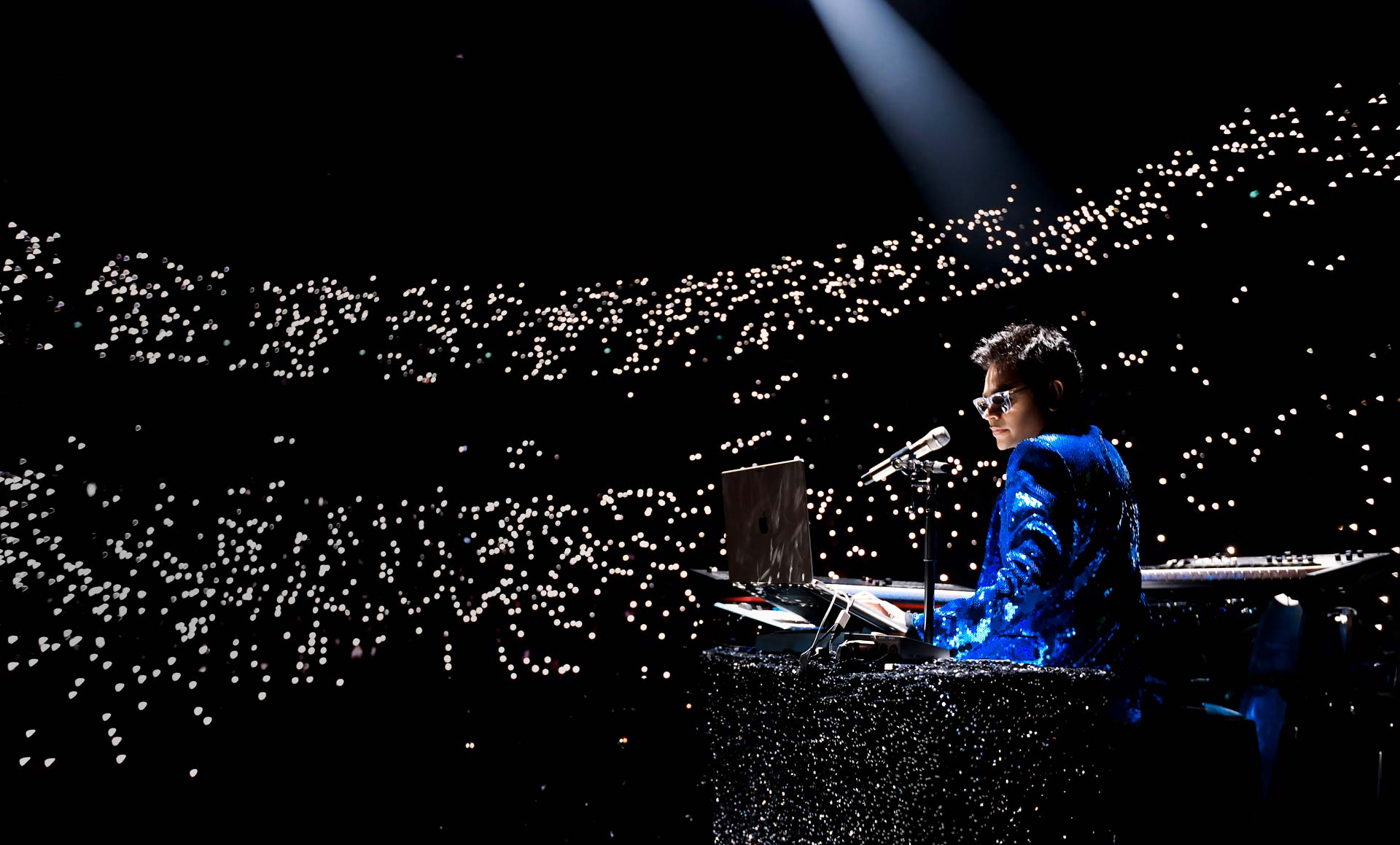
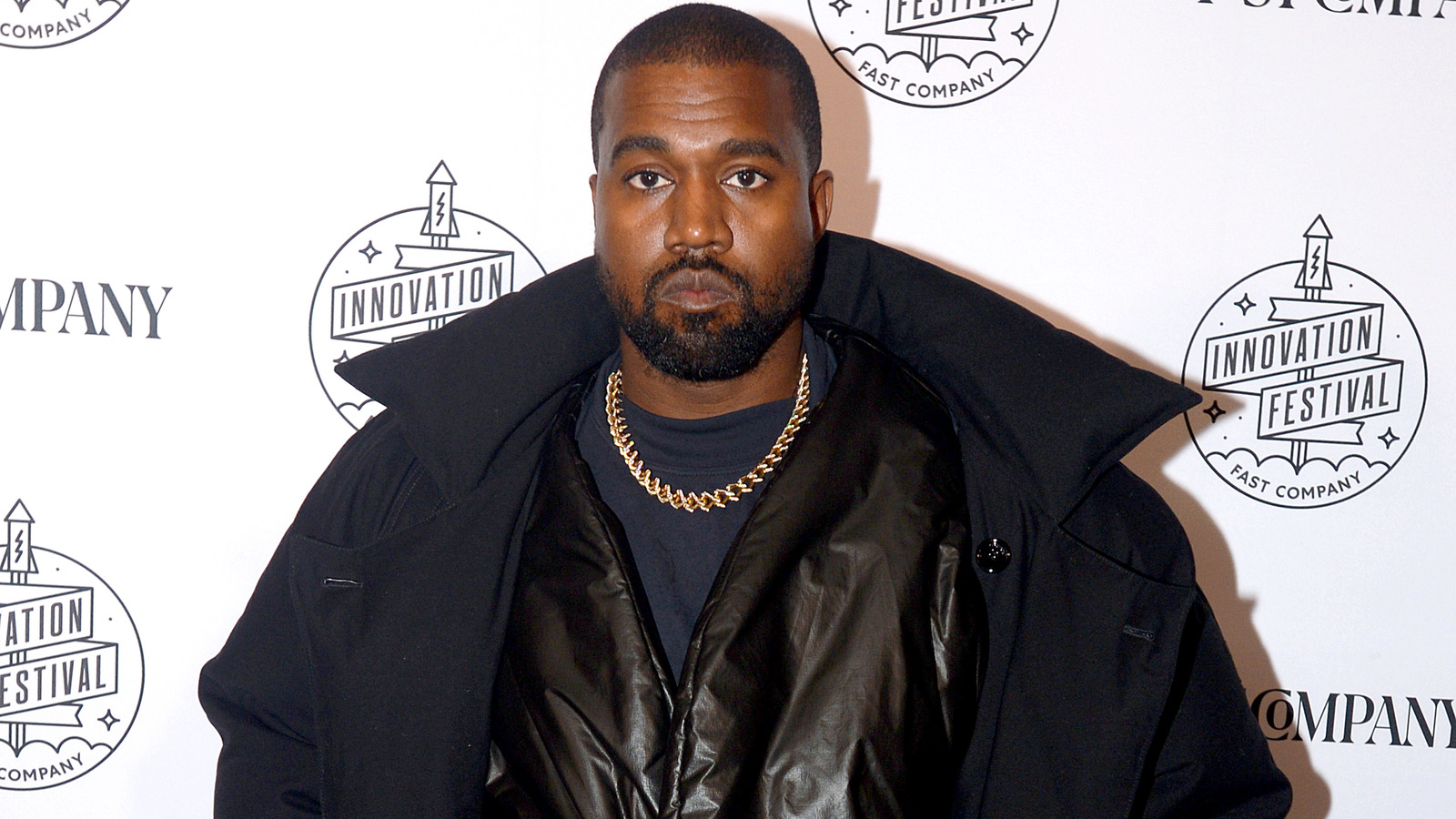
Ali Zafar matters right now because his name is still the reference point every time Pakistani and Bollywood pop collide, even as Indian headlines focus on filmmaker Ali Abbas Zafar and his London-shot romance with Ahaan Panday. While Bollywood Hungama and others track that film set, listeners are still replaying the Ali Zafar who gave Pakistan one of its biggest pop breakouts with the album “Huqa Pani.”
That record arrived in Pakistan in 2003, then went worldwide in 2005, moving over five million copies and vaulting him into the top tier of Pakistani pop. Two decades later, tracks like “Channo, ” “Jhoom” and “Sajania” keep his 51.9K monthly listeners circling back to a catalog that helped define Urdu pop for a generation.
Key facts
- Monthly listeners
- 51.9K
- Total scrobbles
- 681.1K
- Genres
- pakistani, pakistan, pakistani pop, pop, urdu
- Signature tracks
- Voh Dekhnay Mein, Jhoom - R&B Mix, Jhoom, Channo, Sajania
How Ali Zafar’s “Huqa Pani” rewired Pakistani pop
Ali Zafar’s story as a recording artist really starts with “Huqa Pani.” Released in Pakistan in 2003 and then globally in 2005, the album did what very few Pakistani pop records had managed at the time: it exploded beyond borders. Selling over five million copies worldwide and pulling in major awards and nominations, it turned a young Lahore singer into one of the most popular Pakistani artists anywhere.
The breakthrough moment is “Channo, ” a track that still sounds like a mission statement for early‑2000s desi pop. It is bright, relentlessly hooky and built for singalongs, the kind of song you could hear at a college gig in Lahore or at a wedding party in Dubai and get the same reaction. When people talk about the classic era of Pakistani pop alongside acts like Strings or Jal, “Channo” is usually one of the first songs they point to.
If you want to understand why Ali Zafar became a crossover figure so quickly, start by playing “Channo” back‑to‑back with other “Huqa Pani” cuts. You can hear how comfortable he is inside glossy pop production while still leaning into Urdu phrasing that keeps the songs firmly rooted in Pakistan, not in some generic global pop space.
““Channo” is the song that turned a Lahore singer into a regional pop reference point.”
What Ali Zafar’s sound actually sounds like
Ali Zafar works inside a palette tagged as Pakistani pop, pop and Urdu, but the appeal sits in the details. His core sound is clean, melodic pop that treats Urdu like a rhythmic instrument, with vocal lines that curve and twist in ways English‑language hooks rarely do. On streaming platforms where fans file him under Pakistani and Urdu, those genre labels are basically shorthand for a very specific mood: romantic, slightly nostalgic, and radio‑ready.
Tracks like “Voh Dekhnay Mein” underline his instinct for mid‑tempo, cinematic pop. The song floats on a gentle groove, giving his voice space to lean into the emotion of the lyrics, and it is the kind of track that fits as easily on a late‑night study playlist as it does playing softly in the background on a long drive. If “Channo” is the party, “Voh Dekhnay Mein” is the afterglow when everyone is winding down but no one wants to leave.
Across his catalog, you can hear the same approach that made “Huqa Pani” work: accessible melodies, crisp arrangements, and a pop sensibility that welcomes casual listeners without boring the fans who have racked up 681.1K total scrobbles. It is music designed to be replayed until the hooks feel like part of your own vocabulary.
“Ali Zafar treats Urdu like a rhythm instrument, bending everyday words into earworm melodies.”


Spinn Radio
Listen to Ali Zafar on Spinn Radio
Signature Ali Zafar songs to queue first
If you are new to Ali Zafar, there is a tight starter pack of tracks that tells his story in under half an hour. “Channo” gives you the early‑career blast of energy, the one that rode “Huqa Pani” out of Pakistan and into playlists worldwide. It is the definitive entry point, and it explains why that debut album could rack up millions of sales at a time when physical and CD culture still mattered.
Next up, put on “Jhoom.” The original version is all mood, slow‑burn romance and carefully controlled vocals, showcasing a more mature, almost meditative side of his pop writing. Then switch to “Jhoom - R&B Mix, ” where the same song is pulled into a smoother, groove‑heavier space. Hearing those two versions back to back shows how his melodies can live comfortably in different production worlds without losing their identity.
Round it out with “Voh Dekhnay Mein” and “Sajania.” Together, those five songs trace a line from classic Pakistani radio staples to more contemporary pop textures. By the end, you will understand why Ali Zafar still pulls consistent monthly listeners and why his hooks keep resurfacing in desi playlists alongside peers like Atif Aslam and Sajjad Ali.
“Line up “Channo, ” both “Jhoom” versions, “Voh Dekhnay Mein” and “Sajania” for the full Ali Zafar crash course.”
Ali Zafar’s peers and the wider Pakistani pop scene
Ali Zafar did not rise in isolation. He emerged from the same fertile Pakistani pop landscape that gave listeners Strings, Jal, Atif Aslam, Sajjad Ali and Kaavish. That scene was defined by bands and solo artists who treated pop not as a guilty pleasure but as a serious craft, weaving Urdu lyrics into arrangements that could sit beside international hits without losing their roots.
What set Ali Zafar apart was how quickly he became a solo star off the back of “Huqa Pani.” While bands like Strings and Jal carried the banner for Pakistani rock and pop groups, he carved out a lane as a charismatic frontman without a group brand attached. Fans who move between Atif Aslam’s big‑screen ballads and Sajjad Ali’s classic pop instincts often find Ali Zafar sitting comfortably in the middle of that spectrum.
If you love Pakistani pop as a scene, not just a single artist, exploring these peers alongside Ali Zafar’s catalog turns into a mini‑history lesson. You can hear how the country’s pop sound evolved, and how an artist like Ali Zafar helped normalize Urdu hooks in spaces that used to lean heavily on Hindi or English.
“Put Ali Zafar beside Atif Aslam, Strings and Jal and you get a snapshot of Pakistani pop’s golden run.”
Why Ali Zafar still earns a spot on your playlist
The numbers tell part of the story. With 51.9K monthly listeners and 681.1K total scrobbles, Ali Zafar has a fanbase that continues to actively replay his songs years after their original release. The rest of the story is in how the tracks feel when you hit play today: familiar, but not dated, and rooted in a Pakistani and Urdu identity that keeps them distinct inside a crowded pop universe.
If you are building a desi pop playlist that actually spans eras, not just current film hits, Ali Zafar is one of the bridge artists you need. Songs like “Channo, ” “Jhoom” and “Voh Dekhnay Mein” connect early‑2000s Pakistani pop to the streaming‑era sound of younger acts, and they make sense whether you are listening in Lahore, London or anywhere in between.
Start with the signature tracks, then roam. The deeper you go, the clearer it becomes why “Huqa Pani” could sell millions and why Ali Zafar sits in the long‑term memory of Pakistani pop, not just in a nostalgia playlist.
“Ali Zafar is the bridge between classic Pakistani radio pop and the global desi playlists you keep looping.”
Good to know
Frequently asked questions
Who is Ali Zafar?
Ali Zafar is a Pakistani pop artist from Lahore whose debut album “Huqa Pani” became a massive hit in the early 2000s. He is known for Urdu and Pakistani pop songs like “Channo, ” “Jhoom” and “Voh Dekhnay Mein.”
When did Ali Zafar release Huqa Pani?
Ali Zafar released his debut album “Huqa Pani” in Pakistan in 2003 and worldwide in 2005. The record went on to sell over five million copies globally.
What genre is Ali Zafar?
Ali Zafar is primarily a Pakistani pop artist with songs tagged under Pakistani, pop and Urdu. His music focuses on melodic, radio‑friendly Urdu pop with romantic themes.
What are Ali Zafar’s most popular songs?
Ali Zafar’s signature tracks include “Voh Dekhnay Mein, ” “Jhoom, ” “Jhoom - R&B Mix, ” “Channo” and “Sajania.” These songs form the core of his Pakistani pop reputation.
Where is Ali Zafar from?
Ali Zafar was born in Lahore, Pakistan. His Lahore roots feed directly into his identity as a Pakistani and Urdu pop artist.
Explore more on Spinn Radio: Atif Aslam · Strings · Sajjad Ali · Kaavish