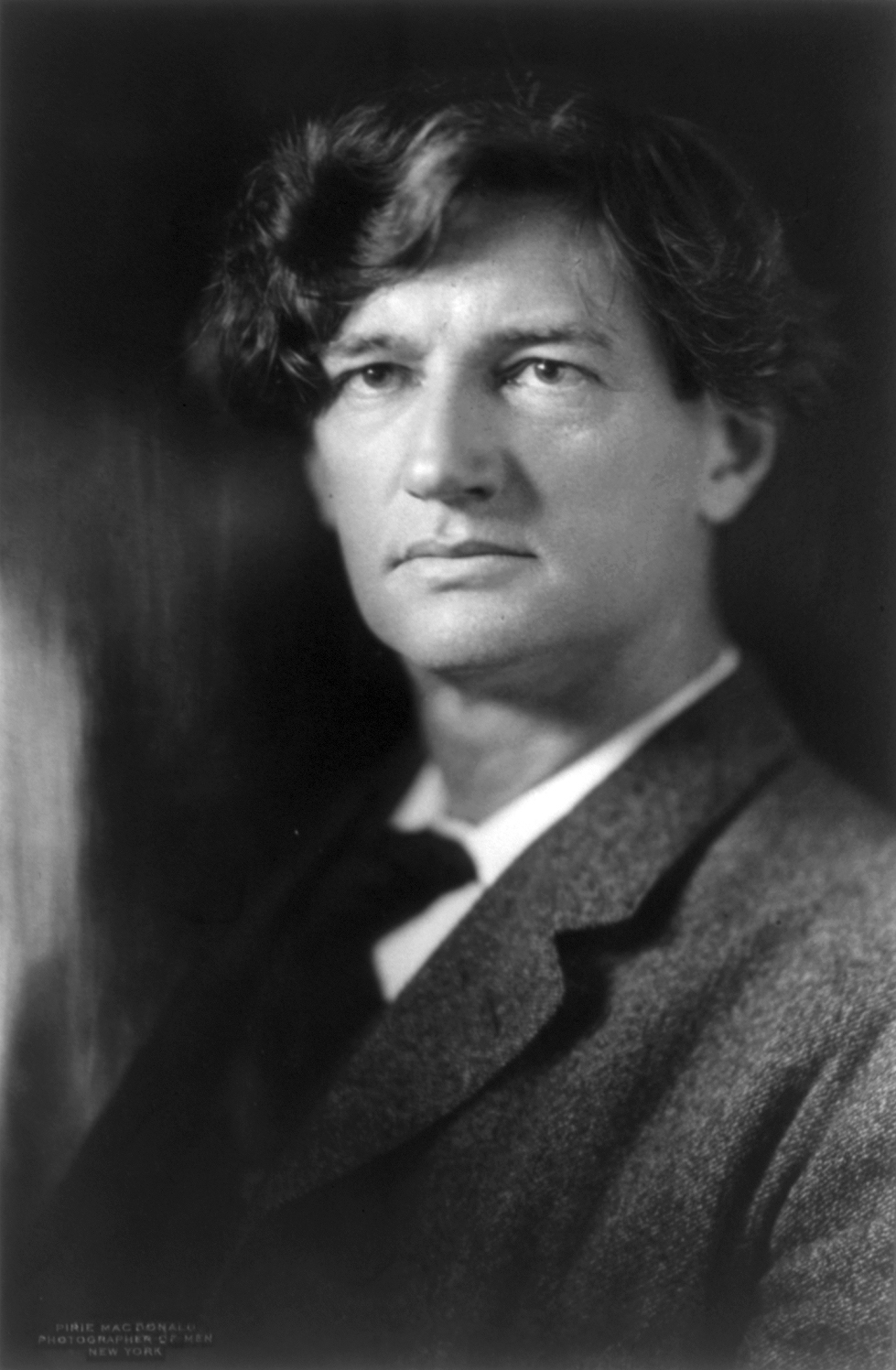
Some poems feel like seasons, you don’t just read them, you return to them when the light changes. Bliss Carman’s “Vagabond Song, ” first published in 1901, is one of those pieces: a short, singing lyric that seems to arrive with the first cold edge in the air.
LibriVox’s multi-version “Vagabond Song” turns that sensation into an actual listening ritual. Fifteen separate recordings of the same poem, originally gathered for a weekly poetry project around the Autumnal Equinox, invite you to hear how a single text can shift shade and temperature from voice to voice.
Key facts
- Author
- Bliss Carman
- Genre
- Multi-version (Weekly and Fortnightly poetry)
- Published
- 1901
- Language
- English
- Chapters
- 15
A 1901 Autumn Lyric with a Vagabond Heart
“Vagabond Song” is tiny on the page, but it opens out in the ear. Written in English by Canadian poet Bliss Carman and published in 1901, the poem belongs to that turn-of-the-century moment when lyric poetry still expected to be spoken aloud, recited in parlours, carried on walks, remembered in fragments. Its rhythm and rhyme feel built for the human voice.
The premise is disarmingly simple: a speaker overtaken by the change of season, urged outward into the world with a vagabond’s lightness. There’s no elaborate narrative, just a mood that gathers like weather. Carman’s language makes that mood physical, sound and cadence do as much work as imagery. That’s exactly what makes “Vagabond Song” such a natural fit for audio a century later.
He isn’t writing abstract philosophy here. The poem leans on repetition, musical phrasing, and a steady beat that any reader, trained actor or first-time volunteer, can catch. It’s poetry as a hummed tune you half-remember and are pleased to recognize the instant it starts.
“The poem leans on rhythm and repetition, a hummed tune you’re pleased to recognize the instant it starts.”
Bliss Carman and the Era of Spoken Verse
Bliss Carman came of age in an era when poetry circulated as much by voice as by print. Early-20th-century English-language verse often assumed an audience who listened as much as they read. That sensibility runs through “Vagabond Song”: it’s compact, musical, and designed to be shared in real time, not silently decoded.
Placed back in 1901, the poem sits at an interesting hinge. Modernist experiments are just around the corner, but Carman is still committed to the pleasures of clear rhythm and singable line. The ‘vagabond’ in the title catches an early-1900s restlessness, the pull between settled life and the romance of the open road, that would keep echoing through later literature and song.
Hearing the poem now, you’re catching not only Carman’s voice but the assumptions of his era: that a poem might be memorized, traded between friends, or spoken to mark a seasonal shift. LibriVox’s project revives that older social life of verse, one volunteer at a time.
Spinn Radio
Listen to Vagabond Song on Spinn Radio
Why “Vagabond Song” Endures in the Ears
For a poem this brief to stay in circulation, it has to travel light. “Vagabond Song” endures because it gives listeners something instantly graspable, a seasonal thrill, a loosened mood, without weighing them down with explanation. You don’t need to know Carman’s biography to feel the poem work; you only need to hear the cadence land.
The autumn setting also matters. The LibriVox project timed these readings to the week of September 24, 2006, aligning them with the Autumnal Equinox. That seasonal framing has stuck: the poem now reads like a yearly rite, a way to mark the tilt from late sun to early dark. It becomes a listening habit you can return to whenever the air shifts and you feel the urge to wander, even if it’s only in your imagination.
Because Carman’s language is straightforward, each listener can supply their own images, a hometown wood, a city park at dusk, a remembered trip. That openness makes the poem highly re-readable and, more importantly here, re-listenable. The text doesn’t close down; it leaves room for your own weather to move in.
“For a poem this brief to stay in circulation, it has to travel light, and “Vagabond Song” does.”
Inside LibriVox’s Multi-Version Audiobook
LibriVox classifies this “Vagabond Song” release as “Multi-version (Weekly and Fortnightly poetry), ” and that label captures its quiet ambition. Instead of a single authoritative performance, you get fifteen separate recordings of the same Carman poem, fifteen chapters in the catalog, each one a new voice meeting the same lines.
The effect isn’t redundancy; it’s variation. One reader might lean into the poem’s easy lilt, another into its wistfulness. A third might speed it up, turning it into something like a folk song. Across fifteen takes, you start to hear how much the poem can flex while staying recognizably itself. It becomes a brief masterclass in how voice, pacing, and emphasis shape meaning.
Because each recording is short, you can move through the entire set in a single sitting or drop one into a playlist as a palate cleanser between longer audiobooks. The multi-version format also foregrounds what LibriVox does best: volunteer readers, from different places and backgrounds, lending their natural speech to a shared public-domain text. “Vagabond Song” becomes less a single track than a small community in audio form.
“Across fifteen takes, you start to hear how much the poem can flex while staying recognizably itself.”
How to Listen: A Small Ritual for the Equinox
The structure of this release invites a particular kind of listening. You might start with one or two versions to catch the poem’s shape, then circle back later in the week to hear how another reader inflects the same lines. On a quiet evening near the equinox, letting all fifteen chapters play through creates its own subtle arc, a repeated lyric slowly changing color in different voices.
Because the poem is short and the language accessible, this is also a welcoming door into recorded poetry if you’re more used to prose audiobooks. There’s no narrative to keep track of, no complex cast, just a single, clear lyric meeting a succession of real human voices. As a companion to a walk, a commute, or a few minutes before bed, “Vagabond Song” works as a reset: a reminder that listening can be brief and still feel complete.
Whether you sample a favorite chapter or let the full set run, the pleasure here is cumulative. You’re not only hearing Carman’s 1901 poem; you’re overhearing a quiet conversation among readers across time, all answering the same invitation to step outside when the season turns.
Frequently asked
What is “Vagabond Song” by Bliss Carman?+
“Vagabond Song” is a short English-language poem by Bliss Carman, first published in 1901, presented here in multiple audio versions.
What kind of audiobook is this “Vagabond Song” release?+
It’s a LibriVox multi-version recording from their Weekly and Fortnightly poetry projects, with fifteen separate readings of the same poem.
How many chapters or tracks does “Vagabond Song” have?+
This LibriVox edition lists 15 chapters, each one a different volunteer recording of Bliss Carman’s poem.
What language is “Vagabond Song” recorded in?+
All recordings in this multi-version release are in English.
Why are there multiple versions of “Vagabond Song”?+
LibriVox’s poetry projects invite many volunteers to record the same public-domain poem, showcasing how different voices interpret the same text.
Sources
