Ticket prices for the USA, Belgium World Cup last-16 match have dropped sharply, with Al Jazeera reporting that seats which once neared $4,000 have fallen to nearly half that level. The outlet says the cost for the final 2026 World Cup match in Seattle dipped as low as about $1,549 on Tuesday, a striking swing in a tournament where demand has routinely pushed big games into four-figure territory.
The plunge matters for fans still trying to get in the door for a marquee knockout tie and for organizers watching how the market behaves as the tournament moves into its decisive rounds. It also offers a real-time glimpse of how quickly World Cup pricing can turn as opponents are confirmed and travel plans harden.
Key facts
- Source
- Al Jazeera
- Reported
- July 4, 2026
- Desk
- general
- Follow the story
- Spinn Radio Sports
How USA, Belgium World Cup ticket prices moved so fast
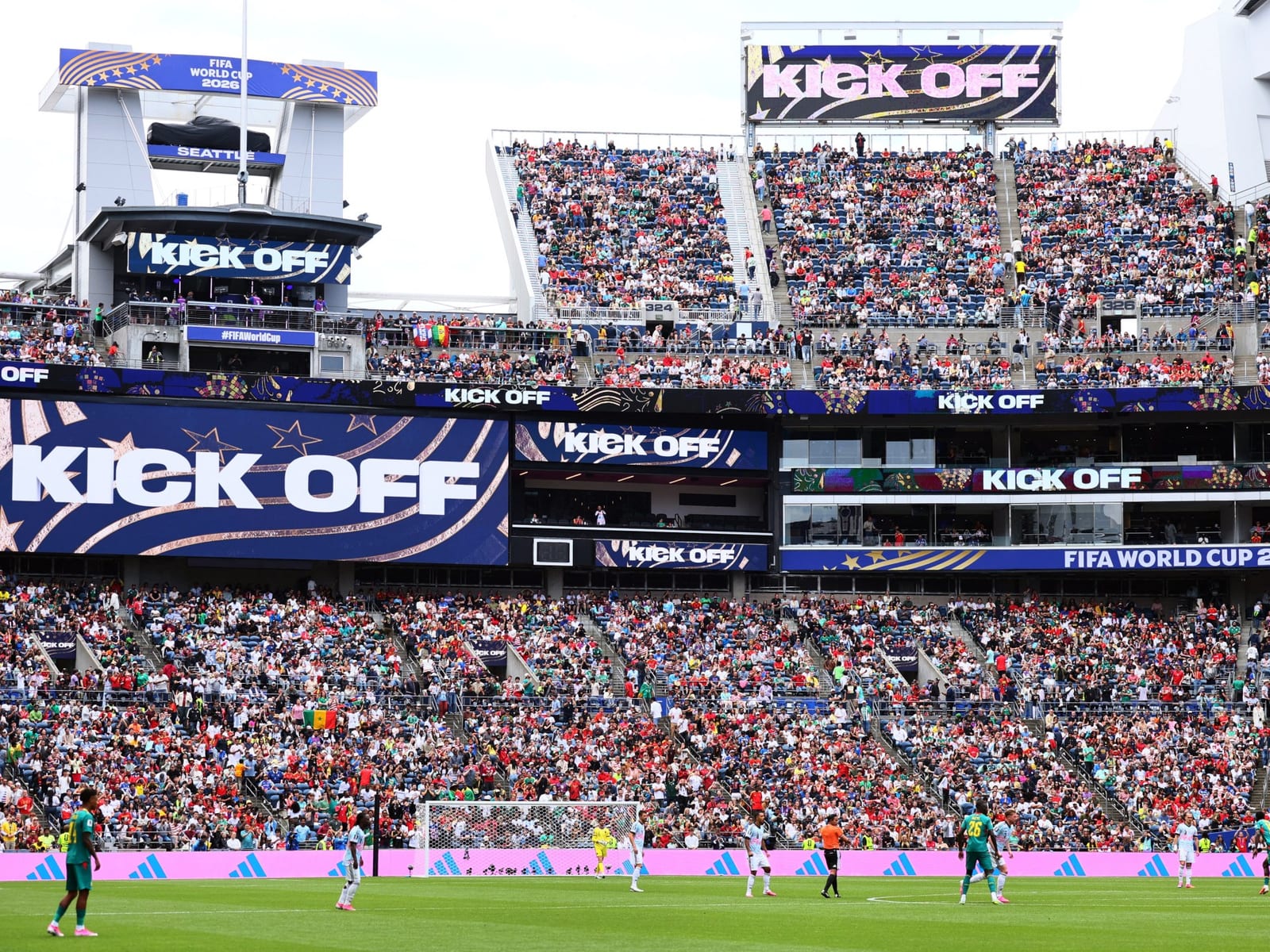
According to Al Jazeera, prices for the final 2026 World Cup match in Seattle climbed to nearly $4,000 before sliding to about $1,549 on Tuesday. That is a steep reversal within a short window, especially at the knockout stage, when scarcity usually keeps asking prices elevated.
The USA, Belgium last-16 tie feeds directly into this dynamic. As the bracket settles and fans see who their team will actually face, speculative listings can give way to more realistic pricing. Sellers who initially tested the upper limits of what the market would bear have begun cutting demands, which is now visible in the almost halved benchmark price reported by Al Jazeera.
For supporters who held off buying, this is the kind of swing that turns a bucket-list outing from impossible to just about feasible. For those who bought near the peak, it is a reminder of how volatile high-demand sports tickets can be once the knockout picture clears.
“Prices that flirted with $4,000 are now closer to $1,500, a rare turn in buyers’ favor during a World Cup knockout game.”
Why the USA, Belgium last-16 matchup drives such volatile demand
Any World Cup last-16 match carries weight, but the pairing of the USA with Belgium adds extra heat. A knockout game involving the tournament co-host draws intense local interest, while a European opponent with global name recognition attracts traveling fans and neutrals looking for a showcase tie.
That mix can send early resale prices surging, particularly before full details like exact travel logistics and confirmed opponents settle in. Once the USA, Belgium matchup was locked for this round and the broader bracket became clearer, some fans likely recalibrated, choosing different fixtures or deciding the trip was too complex or expensive.
What remains is a market where enthusiasm is still high, but where supply and demand are catching up with reality. The result is a visible price correction that might bring fresh waves of U.S. fans into the stadium and could shift the atmosphere from primarily corporate and hospitality seats toward a more vocal crowd.
“When the home crowd finally knows the opponent and the stakes, some abandon plans while others jump in, and prices swing to reflect that.”
Spinn Radio
Follow live sports on Spinn Radio
What the Seattle World Cup price slide signals for later rounds
The benchmark figure Al Jazeera highlighted for Seattle, dipping to about $1,549, is a critical data point for what might happen as the tournament progresses. If a final-stage match in a major U.S. city can fall from near $4,000 to that level, it suggests even the sport’s most coveted tickets are not immune to late softening.
Tournament organizers and local hosts will be watching to see whether this is a one-off correction or the start of a broader pattern in which buyers wait out initially inflated prices. That could influence how hospitality packages are pitched and how quickly future knockout seats are released or reallocated if they go unsold at early targets.
For fans looking beyond USA, Belgium, the Seattle example offers a tactical lesson. In some cases, holding nerve and monitoring secondary markets closer to matchday may present better value, although it also carries the risk that a must-see tie never drops into an affordable range.
“Seattle’s late-stage slide hints that even World Cup knockout tickets may be overpriced at first, only finding their true level once fans decide where they will actually travel.”
How supporters can react to the USA, Belgium ticket drop
For supporters of the USA and Belgium, the recent price move creates a narrow window of opportunity. A seat that looked unreachable when prices were brushing $4,000 suddenly looks more plausible at about $1,549, even if it is still a premium purchase. Fans will now weigh whether this is the floor or just a step on the way to further reductions.
Those still considering the trip will be watching for signs of stabilisation: how many listings remain at the new price point, whether there is any late surge once kick-off nears, and whether travel and accommodation costs stay manageable. Even a relatively small further reduction can change the calculation for families or groups wanting to attend together.
Supporters planning to follow the rest of the knockout rounds from afar can track how this story fits into wider World Cup trends through Follow live sports coverage on Spinn Radio, which aggregates major tournament developments, pricing stories, and match-day coverage in one place.
“The new ticket level is still pricey, but for some fans it is the first time the USA, Belgium knockout feels like a real possibility rather than a fantasy.”
What to watch next as World Cup ticket markets keep shifting
The key questions now are whether prices for the USA, Belgium tie keep drifting lower or snap back if late demand picks up, and whether other knockout fixtures show similar swings. Al Jazeera’s report from July 4, 2026, plants a clear flag: a high-profile match can move from nearly $4,000 toward $1,549 in a matter of days.
Fans, resale platforms, and governing bodies will also be eyeing what happens in the tournament’s later stages. If a pattern of rapid corrections emerges, it could reshape attitudes toward early resales and speculative listings for future World Cups.
For now, the USA, Belgium match serves as a live case study in how big-tournament economics actually play out once real supporters, not just projections and algorithms, decide what they are willing to pay. Spinn Radio Sports will continue to track how this story develops across the rest of the 2026 World Cup, from ticket markets to on-pitch repercussions.
“The USA, Belgium ticket swing is less a blip than a test case for how fans and markets will dance through the rest of this World Cup.”
Good to know
Frequently asked questions
Why are tickets for the USA, Belgium match dropping in price?
Tickets for the USA, Belgium knockout match are dropping because the secondary market is correcting from earlier highs near $4,000 to more realistic levels. As the last-16 bracket has settled and travel plans firmed up, some sellers have cut prices to attract buyers.
How low have USA, Belgium World Cup tickets gone so far?
According to Al Jazeera, prices for the Seattle World Cup match that had neared $4,000 have dipped to about $1,549. That shift roughly halves the earlier peak cost reported for seats at this stage of the tournament.
What does the Seattle price drop mean for other World Cup games?
The Seattle price drop suggests other World Cup knockout games might also see late corrections from initially inflated resale prices. Fans and organizers will be watching to see if this becomes a pattern across the bracket.
Should fans wait to buy tickets for knockout matches?
The recent drop for the USA, Belgium game shows that waiting can sometimes deliver better prices, as seen in the move from nearly $4,000 toward $1,549. However, holding out also risks missing out if a particular match never softens in price.
Explore more on Spinn Radio: Follow live sports coverage on Spinn Radio
Sources