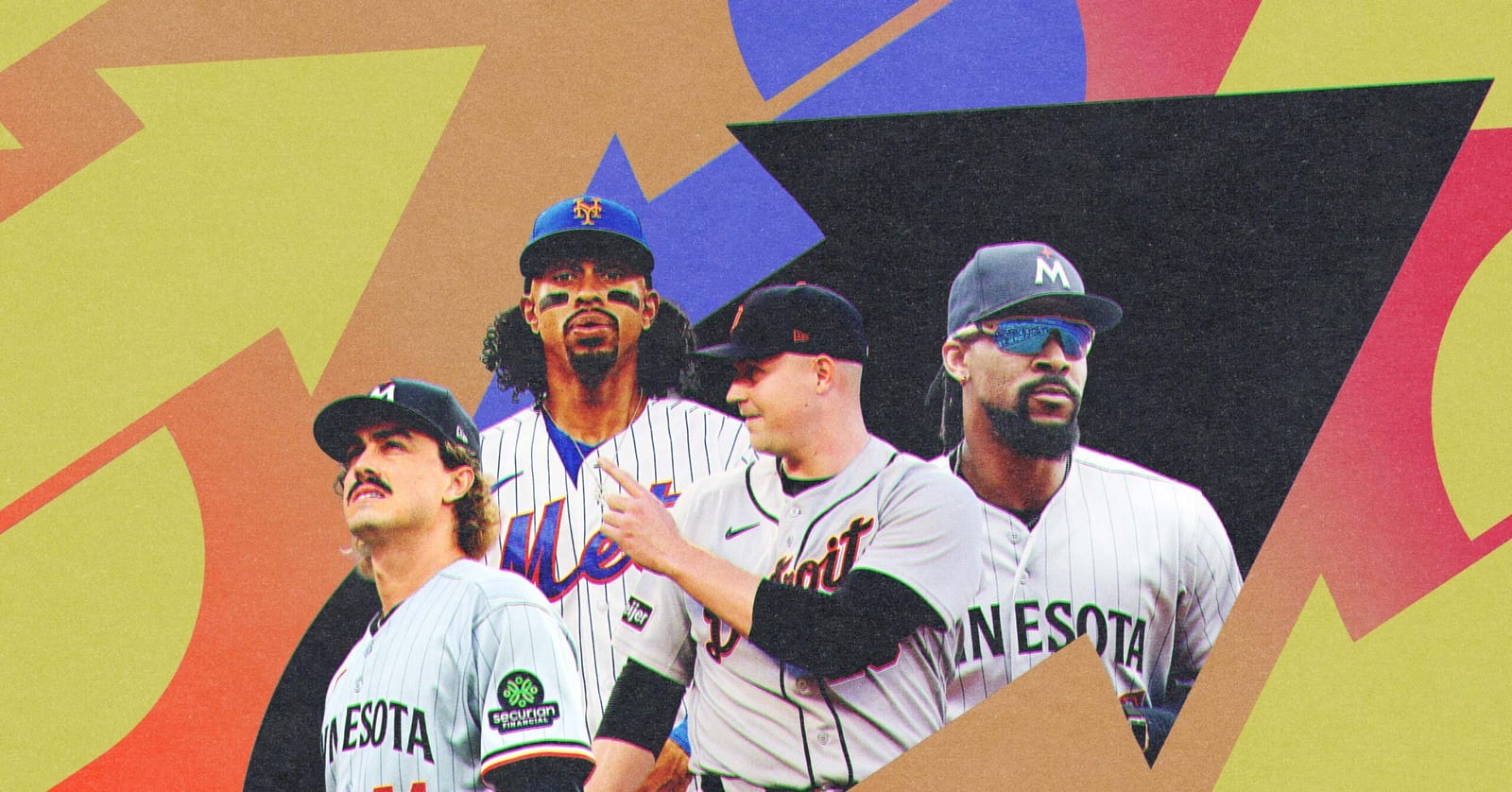
The Biggest Questions About the MLB Trade Deadline, as framed this week by The Ringer, capture a market defined by uncertainty: a crowded standings picture, a thin pool of impact players, and contenders trying to decide how aggressive to be.
With so many teams still in postseason range and so few clear sellers, the decisions made in the coming days could reshape the playoff race or leave would‑be buyers on the sidelines.
Key facts
- Source
- The Ringer
- Reported
- July 27, 2026
- Desk
- general
- Follow the story
- Spinn Radio Baseball
Why this MLB trade deadline feels unusually uncertain
According to The Ringer’s latest reporting, the standings are "a jumble, " which is driving much of the anxiety around this year’s MLB trade deadline. When only a handful of clubs are clearly out of the race, fewer front offices are willing to flip proven veterans for future prospects. That keeps the market clogged, because teams that might normally sell are still talking themselves into late‑season runs.
For contenders, that logjam matters. It means traditional midtier upgrades, the back‑end starter or everyday bat available for prospects, may not exist in the usual volume. Clubs on the bubble have to choose whether to bet on internal improvement or overpay to pry loose the few established names that actually hit the block.
The concrete takeaway here is simple: fans should expect more rumor churn than completed deals. With so many teams hovering around contention, the line between buyer and seller is thinner than usual, and that shapes every negotiation.
“More rumor churn, fewer actual deals: that is the defining tension of this deadline.”
How the limited supply of stars shapes contenders’ plans
The Ringer’s snapshot of the market highlights a second key factor: the supply of true stars is limited. In most years, a few headline names dominate deadline week, giving aggressive clubs a clear target to chase. This time, there are fewer obvious franchise‑changing pieces being publicly dangled, which puts even more pressure on the handful of impact players who might move.
That imbalance between demand and supply drives up the acquisition cost. Contenders with deep farm systems have to decide whether one short‑term upgrade is worth parting with cornerstone prospects. Others, with thinner pipelines, may simply be priced out and forced to hunt for undervalued role players instead of splashy solutions.
The practical takeaway for fans is to watch not just who moves, but who blinks on price. The lack of stars means any team that does land a difference‑maker is likely paying a premium in prospects or young big leaguers, a choice that will be scrutinized for years after this deadline passes.
“A thin star market turns every potential blockbuster into an all‑in referendum on a team’s future.”
Spinn Radio
Follow Baseball on Spinn Radio
Which bubble teams must decide whether to buy or sit tight
The jumble in the standings, as described by The Ringer, puts particular pressure on the large middle tier of clubs. These are the teams hovering near the playoff cut line, close enough to dream but far from guaranteed a spot. Their front offices face the hardest question of this deadline: push chips in, stay patient, or even pivot to selling.
If a bubble team buys, it sends a clear message to the clubhouse and the fan base that this season is worth betting on. That can energize a run, but it also risks leaving the organization thinner if the push falls short. Choosing to stand pat, on the other hand, might be the analytically sound move in such a crowded field, yet it can be a hard sell when the bracket still looks open.
The key detail to track is how many of these in‑between clubs pick a lane. A deadline dominated by cautious moves from bubble teams would signal that front offices are reading this season’s parity as a reason to hold their assets, not to gamble them away.
“For the big middle class of teams, indecision may be the most tempting, and most dangerous, option.”
Why some clear contenders might sit out the bidding wars
The Ringer frames the central question for established contenders bluntly: with so few stars available, what is a contender to do? For teams already sitting near the top of the standings, the deadline is usually a chance to patch obvious holes. This year, those clubs have to weigh whether minor upgrades are worth major prospect capital when the underlying roster is already strong.
Some may decide that internal health and improvement offer more value than a trade. Betting on injured players returning, or on existing talent performing closer to expectations, is not the splashiest strategy, but it can be more rational in a market where every available star attracts a bidding war.
The takeaway is that fans of top clubs should brace for the possibility that their team does less than expected. In a thin market, a quiet deadline can be a sign of discipline, not neglect, especially when the alternatives involve surrendering a large share of the future for a marginal upgrade.
“In a thin market, doing nothing is not apathy, it can be a calculated choice.”
What fans should watch as the MLB deadline clock winds down
With The Ringer spotlighting the uncertainty surrounding this deadline, the next few days will be about movement at the margins as much as headline trades. Watch how quickly the first significant deal comes together; early activity can set the market and force hesitant clubs to react. A slow trickle, by contrast, would signal that asking prices remain too high for most buyers.
Also pay attention to how many teams publicly reframe their seasons after the deadline. A club that fails to land help may pivot to talking about development and the long view, while an aggressive buyer will emphasize the opportunity created by this year’s tight race. Those narrative shifts will offer clues about how front offices truly viewed their chances amid the jumble.
For continuing context, analysis, and reaction as deals (or non‑deals) land, follow broader deadline coverage through Follow Baseball coverage on Spinn Radio. As the trade clock ticks down, that is where you will see which contenders doubled down on 2026 and which quietly protected their future cores.
“This deadline will be defined as much by the trades that do not happen as by the ones that do.”
Good to know
Frequently asked questions
What is making this MLB trade deadline so unpredictable?
This deadline is unpredictable because, as The Ringer notes, the standings are crowded and few teams are obvious sellers. That balance keeps many trade options in limbo until the very end.
Why are so few MLB stars expected to move at the deadline?
So few stars are expected to move because The Ringer reports that the supply of impact players on the market is limited. That scarcity raises prices and discourages some potential deals.
How does the crowded standings picture affect trade decisions?
The crowded standings picture makes trade decisions harder because more teams still see a path to the postseason. That leaves fewer clubs willing to give up veterans for future assets.
What should fans watch for as the MLB deadline approaches?
Fans should watch when the first big trade drops and how bubble teams react. Those moves will reveal which clubs chose to push in a tight race and which protected their long‑term plans.
Explore more on Spinn Radio: Follow Baseball coverage on Spinn Radio
Sources