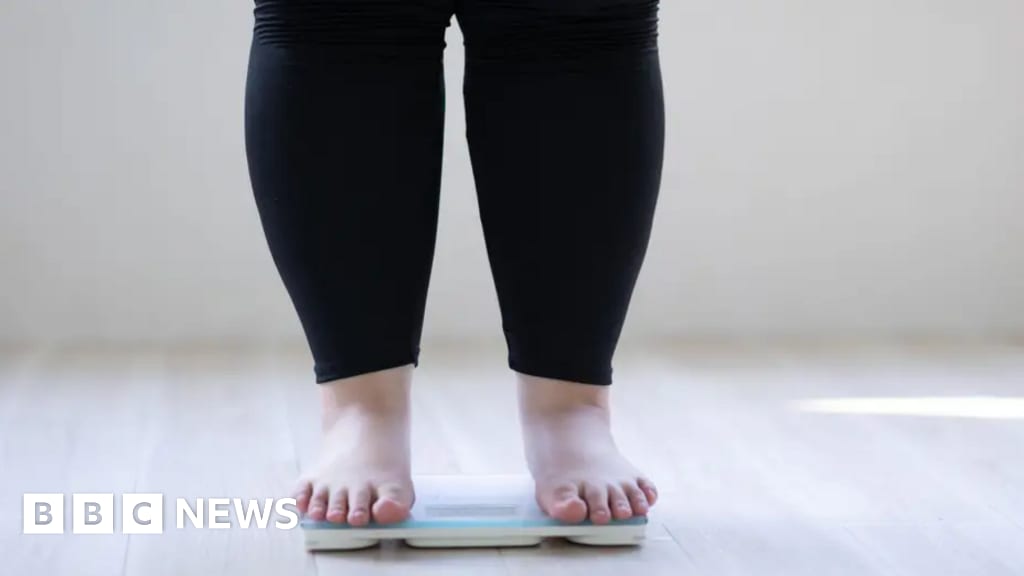
Obesity cases are rising fastest among young adults, according to new reporting from BBC News published this week, intensifying concern that a generation already hit by the pandemic and rising living costs is now carrying a growing health burden. Experts cited by the BBC point to a mix of financial pressure, Covid-era disruption and a boom in unhealthy food as key drivers of the trend.
The warning matters because those same forces are still reshaping how people eat, work and move today, making the trajectory of young adults a signal for where wider public health could be heading next.
Key facts
- Source
- BBC
- Reported
- June 24, 2026
- Desk
- general
- Follow the story
- Spinn Radio Talk
Why young adults are now at the center of the obesity debate
The BBC report, dated 24 June 2026, singles out young adults as the group where obesity cases are accelerating fastest. That shift is significant because health systems have often focused their long-term obesity planning on older age brackets, where complications already show up in higher rates of heart disease, diabetes and joint problems. A faster rise in younger people suggests those complications could arrive earlier and at larger scale.
Experts quoted by the BBC point to three intertwined forces: the cost of living, the aftermath of the pandemic and an explosion of unhealthy food options. Each of those pressures is hitting young adults simultaneously, at the very stage of life when lifelong habits are getting locked in. That combination makes this group a frontline indicator of how modern economies and food systems are reshaping everyday health.
For listeners and readers tracking public health stories, the key takeaway is that obesity is no longer framed only as an issue of individual choice or midlife lifestyle. In this latest reporting, young adults move to the center of the story, and the drivers are structural as much as personal.
“Young adults are becoming the frontline indicator of how modern work, money and food are reshaping everyday health.”
How the cost of living crisis is changing what people eat
The BBC coverage underlines the cost of living as one of the clearest levers behind the current rise. When budgets tighten, cheaper, calorie-dense foods become more attractive, while fresh produce and lean protein often feel like luxuries. Young adults, who are more likely to be in low-paid or unstable work and to rent rather than own homes, are especially exposed to every price jump at the supermarket and in energy bills.
In that context, grabbing low-cost fast food or supermarket ready meals can feel like the only realistic option at the end of a long day. Over time, those choices stack up in waistlines and blood tests. The BBC report ties that everyday economic calculation directly to the surge in obesity cases, rather than treating the cost of living as a distant macroeconomic story.
The important detail for anyone following this issue is that financial pressure is now recognized by experts as a core part of the obesity puzzle, not a side note. As long as the cost of living crisis persists, this health trend among young adults is unlikely to reverse quickly.
Spinn Radio
Follow live news on Spinn Radio
Pandemic aftershocks: from lockdown habits to lingering routines
Experts speaking to the BBC also highlight the ongoing impact of the Covid-19 pandemic. Lockdowns disrupted routines across all ages, but for young adults the timing was especially sensitive: study, early career moves and social lives all shifted indoors at once. Patterns of staying home, sitting longer and relying on takeaway food bedded in during those months.
Even as restrictions lifted, not all of those habits snapped back. Remote or hybrid work keeps many young adults more sedentary than pre-2020, and some people still avoid crowded sports or fitness spaces. The pandemic also affected mental health, which often feeds into comfort eating, irregular sleep and low motivation to exercise, all linked in the BBC reporting to the broader picture behind rising obesity.
The key point is that the pandemic is being treated here not as a closed chapter but as an ongoing factor shaping health behaviours. For young adults whose formative years were spent under some form of restriction, those aftershocks are still playing out in their bodies.
“The pandemic is not just a past crisis in this story; it is an invisible hand still steering how a whole generation eats, moves and copes.”
The boom in unhealthy food and why it targets the young
Alongside money and Covid, the BBC report stresses the boom in unhealthy food as a major driver of the current spike. That phrase covers everything from fast-food chains to aggressively marketed snacks and sugary drinks, often engineered to be hyper-palatable and shelf-stable. These products are easy to find, heavily advertised and often cheaper per calorie than healthier options.
Young adults are a prime target for that marketing. They spend more time on social platforms where food brands and delivery apps compete for attention, and they are more likely to order late-night meals or eat on the go. The BBC’s experts link this environment to the rising obesity numbers, treating the food landscape not as neutral background but as an active force that nudges behaviour every day.
For anyone trying to understand why obesity is climbing fastest at this life stage, this explosion of convenient, unhealthy options is a crucial part of the story. It sets the default choice as something quick, cheap and calorie-heavy, which is hard to resist when it fits neatly into tight budgets and busy schedules.
What to watch next as governments and health services respond
The BBC’s June 2026 reporting lands at a moment when policymakers, health services and campaigners are debating how far to go in reshaping food environments and supporting healthier choices. With young adults now flagged as the group with the fastest-rising obesity cases, pressure is likely to grow for targeted interventions in education, workplaces and urban planning, alongside broader discussions about food regulation and pricing.
What happens next will determine whether this spike becomes a long-running generational trend or a problem that can be slowed with policy and cultural change. Health systems are already stretched by chronic conditions linked to obesity, so an earlier onset of those illnesses in younger people could have lasting effects on budgets, staffing and waiting lists.
For continuing coverage of how this story develops, including live analysis and discussion of public health and policy responses, you can Follow live news and talk on Spinn Radio. Our Talk desk will keep tracking how the cost of living, pandemic legacies and food industry shifts shape the health of this generation in real time.
“The stakes are generational: if this spike in young adults is not checked, today’s cost-of-living and food decisions will echo through health systems for decades.”
Good to know
Frequently asked questions
What has the BBC reported about obesity in young adults?
The BBC has reported that obesity cases are rising fastest among young adults. Experts in that coverage link the trend to money pressures, pandemic disruption and a boom in unhealthy food.
Why might obesity be increasing more quickly in younger people?
Experts say obesity is increasing more quickly in younger people because of the cost of living, the pandemic and an explosion of unhealthy food options. Those forces collide just as young adults are forming long-term habits.
How does the cost of living crisis affect obesity trends?
The cost of living crisis affects obesity trends by pushing people toward cheaper, less healthy food. Young adults on tight budgets feel those pressures most sharply at the checkout and in takeaway choices.
What role does the pandemic play in current obesity concerns?
The pandemic contributes to current obesity concerns by altering routines, movement and eating habits in lasting ways. The BBC report treats Covid-era changes as a continuing influence, not only a past shock.
Explore more on Spinn Radio: Follow live news and talk on Spinn Radio
Sources