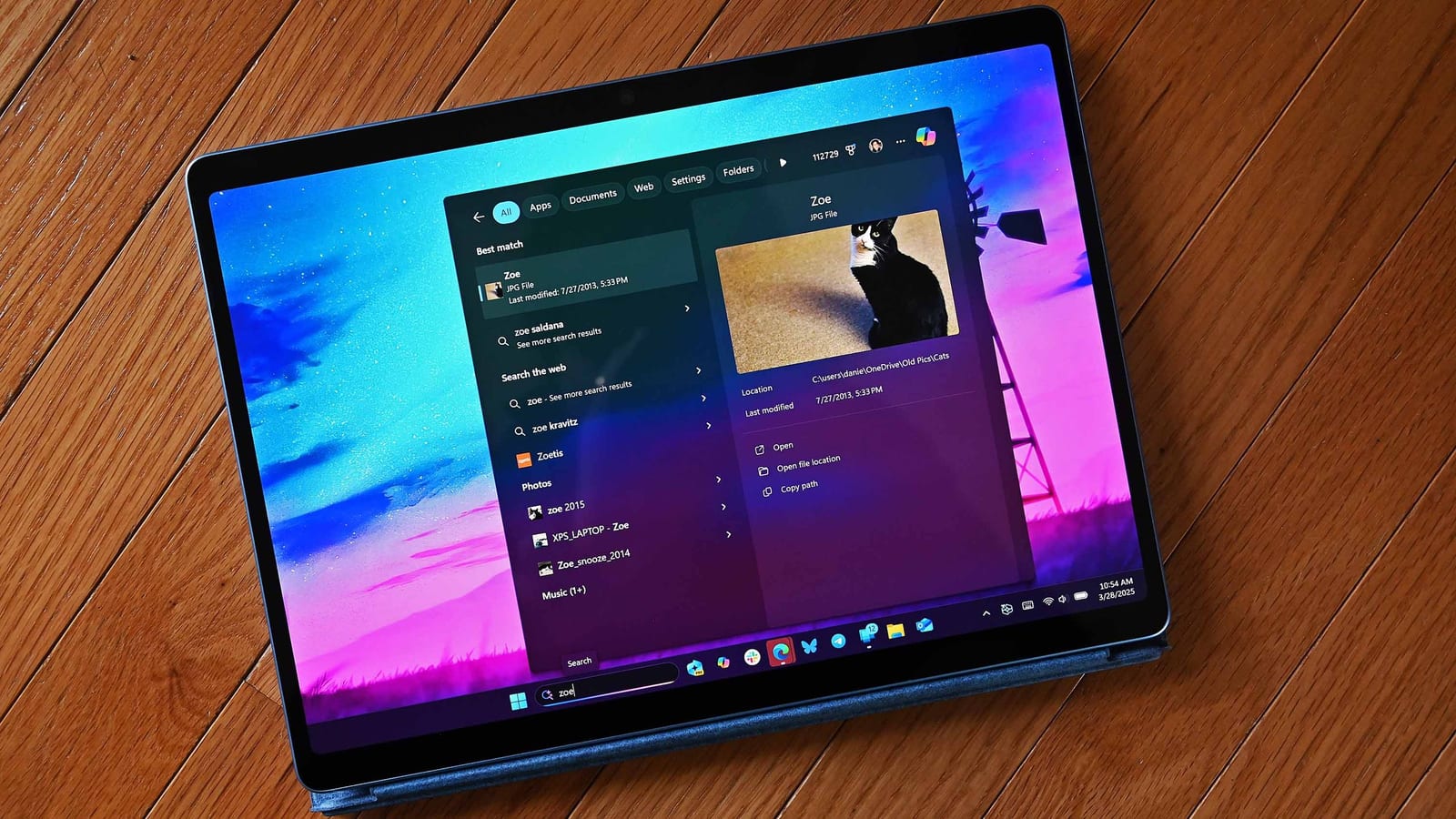
Microsoft is preparing a subtle visual change to Windows 11, with Windows Central reporting this week that the default search box in Start and on the Taskbar will soon be 4 pixels taller. The tweak, flagged on July 9, 2026, affects one of the most-used parts of the desktop, so even a tiny adjustment will be visible to millions of users once it rolls out.
The change highlights how actively Microsoft is still tuning Windows 11’s interface, even when those updates look almost microscopic. A slightly larger search field could signal experiments in usability, readability, or future features that need more on-screen space.
Key facts
- Source
- Windows Central
- Reported
- July 9, 2026
- Desk
- general
- Follow the story
- Spinn Radio Talk
What Windows Central reported about the Windows 11 search box
Windows Central reported on July 9, 2026 that an upcoming Windows 11 update will increase the height of the default search box in both the Start menu and the Taskbar by 4 pixels. Visually, that means the familiar rectangular bar you tap to look for apps, settings, or files will occupy a little more vertical space than it does today.
The report does not pin this change to a specific public build or release date, only that it is an upcoming adjustment Microsoft is making to the standard Windows 11 experience. Since the Start and Taskbar search surfaces are part of the core shell, the tweak is expected to reach a broad set of devices once it ships.
On its own, a 4‑pixel bump is not a radical redesign, but it is specific enough to suggest Microsoft is measuring and refining the exact proportions of frequently used UI elements. For users who live in the search bar all day, it is the kind of thing you might not consciously notice, yet you will stare at it constantly.
“A four‑pixel change sounds trivial, until you remember it touches a box you click hundreds of times a day.”
Why a 4‑pixel increase in search height could matter
Search is one of the primary entry points into Windows 11, so any change to its size can affect how quickly people can read results and hit targets with a mouse or trackpad. A slightly taller box can make text labels within the field look more open, give icons a bit more breathing room, and potentially improve accessibility for users who struggle with smaller UI components.
Because the Start menu and Taskbar live at the center of most workflows, even small typography and layout tweaks can shift how cramped or airy the desktop feels. A taller search bar might also be Microsoft making room for additional visual elements, such as richer hints, badges, or other controls inside the field in future builds.
For now, there is no official line from Microsoft in the report explaining why this specific 4‑pixel adjustment was chosen. That leaves room for interpretation: it may be connected to broader internal guidelines for padding, alignment with other Taskbar icons, or experiments in how users visually scan the lower portion of the screen.
“Tiny UI adjustments often arrive first, then the bigger feature changes that need that extra space follow later.”
Spinn Radio
Follow live news on Spinn Radio
How the taller search box fits into Windows 11’s evolving look
Windows 11 is built around a cleaner, rounded aesthetic compared with earlier versions of Windows, and Microsoft has been iterating on that design through cumulative updates. Adjusting the height of the Start and Taskbar search box by a precise amount lines up with that ongoing process of tightening margins, adjusting paddings, and keeping the shell consistent.
A search field that feels more in proportion with other elements in the Taskbar can subtly change how balanced the entire bar looks. If the current search box appears slightly compressed next to icons or widgets, a 4‑pixel boost could restore visual harmony without overhauling the layout.
Users who care about desktop minimalism may be sensitive to any increase in UI footprint, while others may welcome a box that appears clearer and easier to hit on high‑resolution screens. In either case, the change reinforces that the Windows 11 interface is not static, and Microsoft continues to treat spacing, sizing, and alignment as active design questions rather than fixed decisions.
What Windows 11 users should expect when this change rolls out
When this adjustment ships, people are likely to notice the taller search field in Start and on the Taskbar first, then quickly adapt as it becomes the new normal. There is no indication in the reporting that the behavior of search itself, such as how results are returned or which services are queried, is changing at the same time.
The report frames this as a default change, which implies that devices using the standard Windows 11 Start layout and Taskbar configuration will receive it automatically through an update. Users who have heavily customized their setups may want to watch how the new dimensions interact with pinned icons, Taskbar alignment, and any third‑party utilities that touch those areas.
Given how central search is to finding apps, system tools, and documents, even a small change like this is worth tracking, especially for IT teams that manage fleets of Windows 11 machines. It is another reminder that visual polish updates can arrive alongside, or independently of, deeper feature additions, so paying attention to update notes remains important.
“Function may stay the same, but for a tool as central as search, even a slightly different silhouette can catch the eye.”
Where to follow ongoing Windows 11 UI tweaks and reactions
The 4‑pixel search box increase is part of a steady trickle of Windows 11 changes that rarely get top billing in major keynotes but do shape the feel of the operating system over time. For users and admins who like to stay ahead of these updates, following specialist coverage such as the Windows Central report is one way to track what is coming next.
If you want to hear how everyday users, power users, and commentators react once the taller search bar lands on more machines, you can follow live analysis and listener commentary on Follow live news and talk on Spinn Radio. That is where the small, nerdy interface details often turn into bigger conversations about productivity, design taste, and how people actually use Windows.
As Microsoft keeps refining Windows 11’s Start menu and Taskbar, similar micro‑changes are likely to surface. Keeping an eye on these incremental moves can provide early hints of where the platform is heading, especially when they touch a high‑traffic component like search.
Good to know
Frequently asked questions
What exactly is changing with the Windows 11 search box?
Microsoft is increasing the height of the default search box in the Windows 11 Start menu and Taskbar by 4 pixels. The change makes the field slightly taller without altering its core function.
Why is Microsoft making the search box taller?
The specific reason for the 4‑pixel increase in height has not been detailed in the reporting. It likely ties into Microsoft’s ongoing effort to refine Windows 11’s interface layout and readability.
When will the taller search box appear in Windows 11?
Windows Central reports that the change is coming in an upcoming Windows 11 update but does not name a specific release date. Users should expect it to arrive through a standard system update once it is ready.
Will the taller search bar affect how Windows 11 search works?
The report only mentions a visual height increase for the Start and Taskbar search box, not changes to search behavior or results. For now, users should see the same search features in a slightly larger field.
Explore more on Spinn Radio: Follow live news and talk on Spinn Radio
Sources