Vivani Medical is developing a tiny implant that delivers semaglutide, the active ingredient in Wegovy and Ozempic, CNBC reported on July 11. The device is designed to keep GLP-1 drugs working in the body over time without the need for weekly injections, a shift that could change how patients stick with obesity and diabetes treatment.
The report highlights a new front in the GLP-1 race, this time focused not on a new molecule but on how to deliver an existing one. For patients struggling with long-term adherence to injections, a successful implant could reshape what daily life on these blockbuster drugs looks like.
Key facts
- Source
- CNBC
- Reported
- July 11, 2026
- Desk
- general
- Follow the story
- Spinn Radio Talk
What Vivani Medical is building with its GLP-1 semaglutide implant
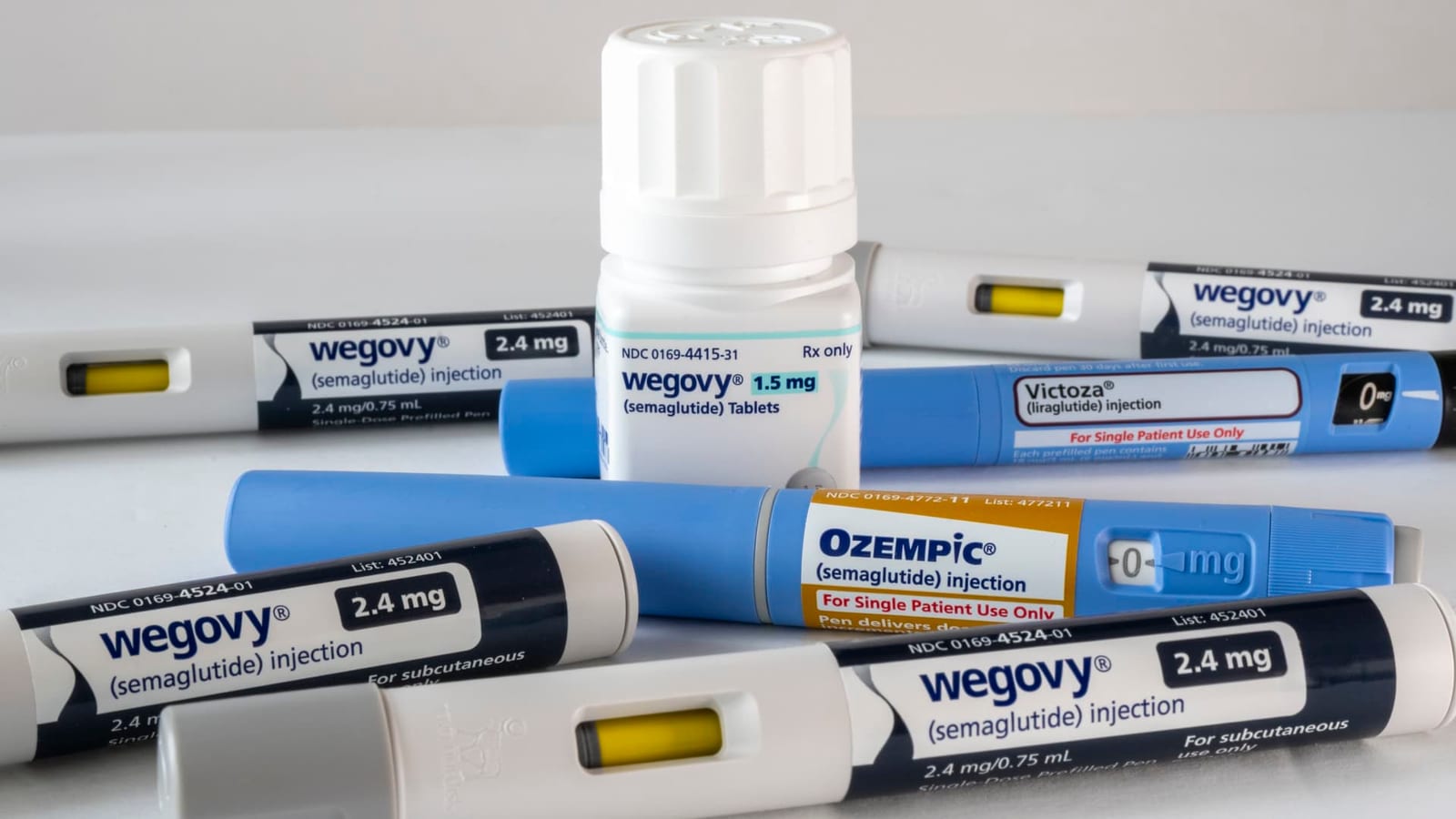
According to CNBC, Vivani Medical is working on an implant that slowly releases semaglutide, the same GLP-1 drug used in Novo Nordisk’s obesity treatment Wegovy and its diabetes counterpart Ozempic. Instead of a pen patients inject on a weekly schedule, Vivani’s device is intended to sit under the skin and provide a steady dose of the medication over an extended period.
The core idea is simple but ambitious: take a drug patients already know and deliver it in a way that does not depend on their remembering a shot. Semaglutide has already been widely adopted for both weight management and blood sugar control. Vivani is now trying to layer a new delivery system onto that success so patients can stay on treatment with less daily friction.
“Vivani is not changing the drug that powers Wegovy and Ozempic, it is trying to change how that drug lives in a patient’s body.”
Why GLP-1 patients struggle to stay on injections long term
The CNBC report frames Vivani’s work around a familiar problem in chronic disease care: adherence. Weekly injections of GLP-1 drugs like Wegovy and Ozempic require patients to follow a schedule, manage supplies, and tolerate frequent dosing. Any disruption, from travel to needle fatigue, can make it harder to keep taking the drug as prescribed.
An implantable device aims to take some of that burden off the patient. Once placed, it could keep semaglutide in the system without the constant reminder of a needle. For people using GLP-1 drugs for weight loss or diabetes, especially over many months or years, a hands-off delivery method might make the difference between staying on therapy and dropping off.
“For chronic GLP-1 users, the hardest part is often not starting treatment, it is staying on it month after month.”
Spinn Radio
Follow live news on Spinn Radio
How a long-acting semaglutide implant could change obesity and diabetes care
If Vivani’s device works as intended, it would add a new option for people taking GLP-1 drugs for obesity and type 2 diabetes. Instead of planning life around scheduled Wegovy or Ozempic injections, a patient could potentially rely on an implanted reservoir of semaglutide that quietly maintains the drug’s effect. That shift could be especially meaningful for people juggling multiple medications or complex daily routines.
The CNBC coverage underscores that this approach is not about replacing GLP-1 drugs but extending their reach. By keeping the same active ingredient and altering the delivery, Vivani is trying to support the treatment plans doctors already use. In practical terms, that could mean fewer missed doses, more stable exposure to the drug, and potentially better follow-through on long-term weight and blood sugar goals.
Where Vivani’s GLP-1 project fits in the broader drug-delivery race
The move into implants puts Vivani squarely in a fast-evolving GLP-1 landscape centered on how to make treatment more sustainable. While Novo Nordisk’s Wegovy and Ozempic dominate the injectable market, companies like Vivani are exploring alternative formats that might appeal to patients who are needle-averse or who want a lower-maintenance routine.
CNBC’s report signals that drug delivery is becoming as strategic as the molecules themselves. A successful semaglutide implant could encourage other developers to repackage existing drugs for chronic conditions in similar long-acting devices. For now, Vivani’s work stands out as an attempt to reimagine how a highly familiar GLP-1 medicine reaches the body, not to swap it out for a new compound.
“The next wave of GLP-1 innovation may come not from a lab bench discovering a new molecule, but from engineers rethinking how existing drugs are delivered.”
What to watch next on Vivani’s GLP-1 implant and ongoing coverage
With CNBC spotlighting Vivani’s implant on July 11, the key questions now are how the device will perform in testing and how regulators will evaluate a long-acting version of a drug already used in injectable form. Patients, clinicians, and investors will be watching for the first clear signals on safety, duration of effect, and how closely the implant’s performance matches or differs from weekly Wegovy and Ozempic shots.
As the GLP-1 story widens beyond injections to implants and other delivery systems, coverage is likely to track both Vivani’s technical progress and any early reactions from the medical community. For ongoing discussion, interviews, and updates around this and other obesity and diabetes treatments, you can Follow live news and talk on Spinn Radio, where the Vivani implant is set to become a recurring topic on Spinn Radio Talk.
Good to know
Frequently asked questions
What is Vivani Medical’s new GLP-1 implant?
Vivani Medical’s new implant is a small device designed to deliver semaglutide, the active ingredient in Wegovy and Ozempic, directly into the body over time. It is meant to provide a long-acting GLP-1 treatment without weekly injections.
Why could the Vivani implant help patients stay on treatment?
The Vivani implant could help patients stay on treatment by removing the need for regular semaglutide injections. Once implanted, it is intended to release the drug steadily so patients do not have to remember or manage weekly shots.
How is semaglutide used today in obesity and diabetes care?
Semaglutide is currently used in injectable drugs such as Wegovy for obesity and Ozempic for type 2 diabetes. Vivani’s implant keeps the same active ingredient and seeks to deliver it in a more hands-off way.
Where can I follow updates on Vivani’s GLP-1 implant story?
You can follow updates on Vivani’s GLP-1 implant through CNBC’s reporting and ongoing coverage on Spinn Radio. For live discussion and reaction, tune into Spinn Radio Talk via Follow live news and talk on Spinn Radio.
Explore more on Spinn Radio: Follow live news and talk on Spinn Radio
Sources