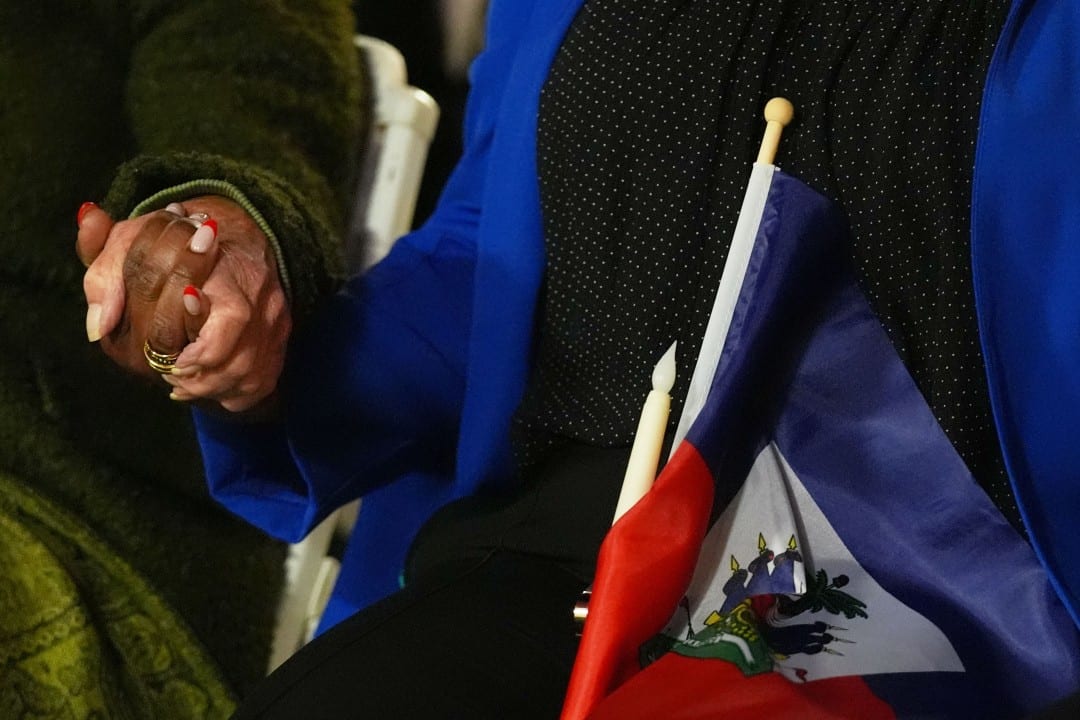
A Supreme Court ruling that cleared the way for the Trump administration to change immigration protections has left hundreds of thousands of people in the United States on uncertain ground as of Monday, Newser reported. Many of those affected are immigrants from Haiti, whose legal status is now at risk after the high court's decision last month.
The ruling has turned the start of the week into a deadline of sorts, when long‑standing protections can be rolled back and people who have spent years in the country could suddenly find themselves exposed to deportation. Advocates and families are watching hour by hour to see how the administration will move next.
Key facts
- Source
- Newser
- Reported
- July 27, 2026
- Desk
- general
- Follow the story
- Spinn Radio Talk
What the Supreme Court just opened the door to
According to Newser, a Supreme Court decision last month removed a key legal barrier and cleared the way for the Trump administration to proceed with its preferred immigration policy. While the ruling itself turned on legal questions, its practical effect is that the White House now has wider latitude to alter or end certain forms of protection that had shielded immigrants from removal.
Those protections applied to hundreds of thousands of people, many of them from Haiti, who had been allowed to live and work in the United States under policies previously in place. With the court siding with the administration, those policies are no longer insulated in the same way from rapid change. That is why Monday has become such a risky point for so many families whose paperwork and lives depend on rules that can now be rewritten more quickly.
The core takeaway is simple: because the Supreme Court has given the administration more room to act, policy shifts that once might have been tied up in court can now take effect faster, affecting large numbers of people at once.
“The court did not just settle a legal argument, it cleared a path for real‑world consequences to hit all at once.”
Why immigrants from Haiti are especially exposed
Newser reports that many of those now on uncertain ground are from Haiti, a community that has relied heavily on U.S. immigration protections to remain in the country. As those protections come under review, Haitian immigrants are among the first to feel the impact because their status has often been tied to specific policy decisions by the administration in power.
For these families, Monday is not a symbolic date. It marks the point when long‑promised reviews or rollbacks can begin to bite, turning a stable life into a day‑to‑day calculation about work, housing, and safety. Parents who have built lives in the United States are now confronting the possibility that rules could shift beneath them without much warning.
The key detail for readers is that this is not just a broad national story about immigration in the abstract. It has a clear focal point in Haitian communities, which are disproportionately represented among those facing immediate uncertainty after the Supreme Court decision.
“For many Haitian families, Monday is the moment when the rules can change faster than they can keep up.”
Spinn Radio
Follow live news on Spinn Radio
How Monday became a risky day for hundreds of thousands
The Newser report underscores that as of Monday, hundreds of thousands of immigrants face a new level of risk. That timing reflects how quickly a Supreme Court ruling can move from legal language to concrete deadlines in agency offices. Once the court removed its obstacle last month, the Trump administration could schedule changes to take effect, lining up key dates that now land at the start of this week.
In practice, that means people who previously had a clear understanding of their status are now unsure what will happen when documents expire, applications are reviewed, or renewals come up under a different policy posture. Even those not immediately facing removal now have to factor in the possibility that the rules will shift again, without the kind of court protections that once slowed the process.
For anyone trying to track developments as they unfold, it is a reminder that legal decisions often translate into specific calendar days that carry heavier risk. Monday is one of those days for the communities at the center of this story.
“A court ruling from last month has turned this Monday into a line in the sand for hundreds of thousands of people.”
What is at stake for families and US immigration policy
At stake now is not only the fate of individual immigrants but also the broader shape of U.S. immigration policy going forward. The Supreme Court decision signaled that the Trump administration has wider authority to set the terms of certain protections, which could influence how future administrations approach similar programs.
For families, the stakes are immediate and personal. Losing protection can mean losing legal permission to work, heightened fear of deportation, and a rupture in communities that have counted on long‑standing rules. For policymakers, the moment highlights how much power sits in executive branch decisions once the courts step back from active oversight.
The Newser reporting makes one point especially clear: a large group of people, many of them from Haiti, are navigating this uncertainty all at once, which raises the pressure on legal advocates, community groups, and lawmakers to respond quickly or risk seeing lives upended in large numbers.
“This is a test of how much change a single court decision and a single administration can unleash on long‑standing immigration protections.”
Where to follow developments and what to watch next
As of the Newser report on July 27, 2026, the situation remains fluid. The key questions in the coming days are how aggressively the Trump administration will move to use the authority the Supreme Court has effectively affirmed, and whether any new legal or legislative efforts will emerge to protect the affected immigrants.
People tracking this closely will want to know if new guidance, deadlines, or enforcement priorities are announced and how they are applied to communities, especially Haitian immigrants who figure so prominently in the current wave of uncertainty. Any shift in tone or timing from the administration will matter, because the court has already removed one of the main legal brakes.
For real‑time discussion and updates, listeners can follow live news and talk on Spinn Radio, where the implications of the ruling and the human stories behind the numbers will continue to unfold. The story of what happens after this Monday is only beginning, and it will be shaped as much by public attention as by legal documents.
“What happens after this Monday will show how far the administration is willing to go now that the court has stepped aside.”
Good to know
Frequently asked questions
What changed for immigrants after the recent Supreme Court ruling?
The Supreme Court ruling cleared the way for the Trump administration to move forward with its preferred immigration policies. That decision removed a key legal barrier that had been protecting hundreds of thousands of immigrants from sudden policy shifts.
Why are Haitian immigrants particularly affected right now?
Many of the immigrants now on uncertain ground are from Haiti, according to Newser. Their status has often depended on specific U.S. policy decisions, so changes enabled by the ruling hit Haitian communities early and hard.
Why is Monday considered a risky day for many immigrants?
Monday marks the point when policy changes enabled by the Supreme Court ruling can begin to take practical effect. It has become a de facto deadline for hundreds of thousands of people whose protections can now be altered or ended more quickly.
What should people watch for next in this immigration dispute?
Observers should watch how aggressively the Trump administration uses the authority affirmed by the Supreme Court ruling. New guidance, deadlines, or enforcement shifts will show how deeply the changes will affect the immigrants at the center of the Newser report.
Explore more on Spinn Radio: Follow live news and talk on Spinn Radio
Sources