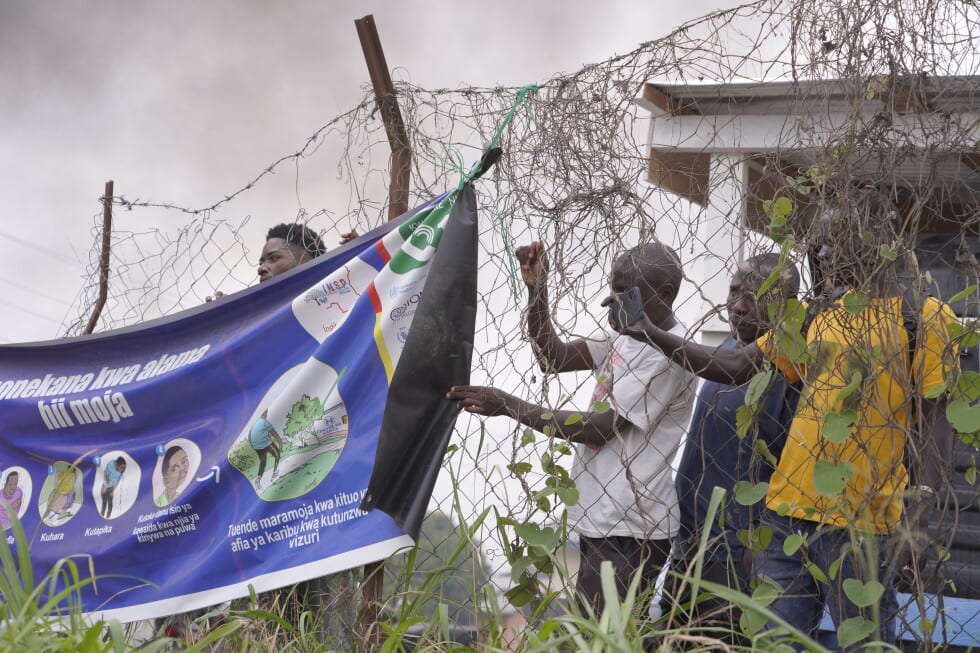
Unpaid workers at an Ebola treatment center in eastern Congo have gone on strike, AP News reported this week, disrupting front‑line care in what health officials already describe as the fastest‑growing outbreak in the country’s history. The stoppage hits just as the virus is spreading at an unprecedented pace and the response is straining to keep up.
The walkout underscores how fragile the Ebola operation has become in eastern Congo: even one center’s staff stepping away can slow care, contact tracing and safe burials, all of which are crucial to containing the disease before it reaches more communities.
Key facts
- Source
- AP News
- Reported
- July 14, 2026
- Desk
- general
- Follow the story
- Spinn Radio Talk
Why unpaid staff at a Congo Ebola center are striking now
According to AP News, workers at an Ebola center in eastern Congo stopped work after not receiving their pay. In a response that depends on local staff to run treatment wards, clean high‑risk areas and support families, even a short delay in wages can rapidly turn into a labor crisis. The strike is not happening on the sidelines of the emergency. It is unfolding inside a facility that sits at the heart of the country’s Ebola fight.
The timing could hardly be more sensitive. AP News reports that this outbreak is now the fastest‑growing one in Congo’s history. That pace suggests health workers are facing more patients, more suspected cases and more pressure, all while arguing for basic compensation. The unpaid status of staff is a stark reminder that outbreaks are as much about logistics and funding as they are about the virus itself.
“The unpaid status of staff is a stark reminder that outbreaks are as much about logistics and funding as they are about the virus itself.”
How the fastest‑growing Ebola outbreak raises the stakes
AP News describes the current Ebola crisis in eastern Congo as the fastest‑growing outbreak the country has seen. That single detail changes the risk calculation for every setback in the response. When cases climb quickly, any interruption in staffing, supplies or community outreach can give the virus more space to move. A strike at a key treatment center is exactly the kind of disruption experts fear.
Ebola control depends on speed: getting sick people into care, monitoring those who had contact with them, and organizing safe burials for those who die. Those tasks are highly labor‑intensive and require trained local teams. If a portion of those workers step away because pay has not arrived, the response loses time. In a fast‑moving outbreak, lost time can translate into missed contacts and undetected chains of transmission.
The description of this outbreak as the country’s fastest‑growing also hints at how stretched the system already is. Rapid spread puts pressure not only on beds and medical supplies, but on everything from transport and security to data collection. The strike shows that the financial and administrative backbone of the response may not be keeping pace with the epidemiological reality on the ground.
Spinn Radio
Follow live news on Spinn Radio
What a strike means for treatment, tracing and trust
The most immediate impact of unpaid staff walking off the job is practical. Fewer workers at an Ebola center can mean slower triage, longer waits, and less capacity to isolate and treat patients. In an environment where infection control procedures are strict and time‑consuming, every missing pair of trained hands matters. AP News signals that this disruption comes at a moment when the center’s work is critical to containing the outbreak.
The effects do not stop at the clinic door. Ebola control depends on field teams who follow up with people who might have been exposed and who work with communities on safe burial practices. Many of these roles are filled by locally hired staff, the same category of workers now protesting nonpayment. If they are not on duty, contact tracing can stall and families may be left with less support, especially during the most frightening days after a diagnosis.
Trust is another casualty. When community members see workers striking over unpaid wages at a life‑or‑death facility, confidence in the response can erode. People may question whether authorities and partners are managing funds fairly, or whether promises made during outreach visits will be kept. In an outbreak that AP News already frames as facing “new challenges, ” maintaining trust is as important as delivering medical care.
“In an outbreak that is already straining the system, every missing pair of trained hands at an Ebola center matters.”
Why eastern Congo’s Ebola response is so fragile
Eastern Congo has faced repeated health and security crises, and the current Ebola outbreak is part of that broader strain. AP News notes that this is now the fastest‑growing Ebola event in the country’s history, which suggests that existing health structures were already under heavy pressure when the virus began to spread. Limited resources, complex logistics and the need to coordinate among many actors all make the system fragile.
In this context, paying local workers on time is not just an administrative detail. It is one of the few levers that keeps the response functioning day to day. When wages lapse, it reveals gaps in planning, funding flows or oversight. The strike at the Ebola center is therefore a symptom of deeper vulnerabilities in how the response is organized and supported.
Those vulnerabilities matter beyond a single outbreak. If health workers and communities feel that commitments are not honored during Ebola, it can affect willingness to participate in future vaccination campaigns or disease surveillance. A fragile system today can shape how people respond to the next health emergency that reaches eastern Congo.
What to watch next in the Congo Ebola strike story
The next critical question is whether authorities and partners can resolve the pay dispute quickly enough to bring staff back to work before the outbreak’s momentum increases further. AP News has signaled that the outbreak’s growth and the strike are unfolding at the same time, which means the margin for delay is thin. Any agreement that restores wages will be closely watched as a test of the response’s ability to fix internal problems under pressure.
Observers will also be watching for signs that the strike spreads to other Ebola centers or related programs. If more teams walk out over similar issues, it would point to systemic funding or management failures, rather than a one‑off dispute. On the other hand, if this center’s workers return after a negotiated settlement, it may signal that the broader response can still adjust and adapt despite the strain of such a rapidly growing outbreak.
For ongoing updates, listeners can track how the situation at the Ebola center and the wider outbreak evolve through Follow live news and talk on Spinn Radio. The story of unpaid workers, strained health systems and a fast‑moving virus is still developing, and the next steps from Congo’s Ebola response will be crucial to watch.
“The story of unpaid workers, strained health systems and a fast‑moving virus is still developing.”
Good to know
Frequently asked questions
What happened at the Ebola center in eastern Congo?
Unpaid staff at an Ebola treatment center in eastern Congo have gone on strike. Their walkout comes as the country faces its fastest‑growing Ebola outbreak.
Why are workers at the Ebola facility striking?
Workers at the Ebola facility are striking because they have not been paid. The dispute highlights how basic financial issues can undermine critical outbreak work.
How does the staff strike affect the Ebola response?
The strike reduces staffing at a key treatment center during a fast‑growing Ebola outbreak. That can slow patient care, contact tracing and vital community support.
What should we watch next in Congo’s Ebola crisis?
The key thing to watch is whether unpaid workers receive their wages and return to duty. Any resolution, or spread of the strike, will shape how the outbreak is contained.
Explore more on Spinn Radio: Follow live news and talk on Spinn Radio
Sources