Vladimir Putin is publicly brushing off mounting fuel shortages in Russia even as Ukrainian attacks on oil refineries hit domestic supplies, according to reporting from AP News and other outlets this week. Coverage highlighted by Republic World and the Baltimore Sun on July 3 describes a Kremlin that is signaling business as usual on the battlefield despite growing pressure on its energy infrastructure.
The stance matters because it suggests Putin is willing to absorb economic and logistical pain at home while Russia steps up its campaign in Ukraine. For Ukrainians, the message from Moscow is that refinery strikes and supply disruptions have not yet forced a rethink of the war, only a harder push.
Key facts
- Source
- AP News
- Reported
- July 3, 2026
- Desk
- general
- Follow the story
- Spinn Radio Talk
What AP and other outlets report about Putin and fuel shortages
AP News, cited in recent reports from Republic World and the Baltimore Sun, describes a Russian president who appears unfazed by the impact of Ukrainian attacks on oil refineries. Those strikes have contributed to fuel shortages inside Russia, yet the Kremlin line presented in the AP account is that the war effort will continue to intensify rather than scale back.
The way the story has moved across outlets is telling. Republic World framed it as Putin shrugging off fuel shortages while ramping up attacks on Ukraine. The Baltimore Sun used almost identical wording as it picked up the same development, underlining that this is not a local or marginal issue but one that international newsrooms see as a new phase in the conflict.
For readers tracking the war, the clearest takeaway is the combination of two threads in the AP reporting: Ukrainian pressure on Russia's energy system through refinery attacks, and a Russian leadership that publicly insists this pressure will not alter its military trajectory.
“Fuel shortages and intensified strikes are now unfolding in parallel, not in sequence.”
How Ukrainian refinery attacks are squeezing Russia at home
According to AP News, Ukrainian forces have struck oil refineries inside Russia, and those attacks have fed into what it describes as severe fuel shortages. Refineries are the facilities that turn crude oil into gasoline, diesel, and other products, so repeated hits can ripple quickly into supply problems on the ground.
While the AP account does not spell out exact numbers or locations, the fact that shortages are described as severe points to more than isolated disruption. Fuel is central to everything from civilian transport to farm equipment and, critically, to the tanks, trucks, and aircraft that power a modern war. Any strain on that system creates new choices for Russian planners between front-line needs and domestic stability.
The notable detail here is that Ukrainian strategy is reaching into Russia's rear areas, not just contesting front-line trenches. Oil refineries are deep infrastructure targets. Their role in the story underlines how the Ukraine war has become a contest over logistics and resilience, not only territory on a map.
“By hitting refineries, Ukraine is striking the engine room of Russia's war machine.”
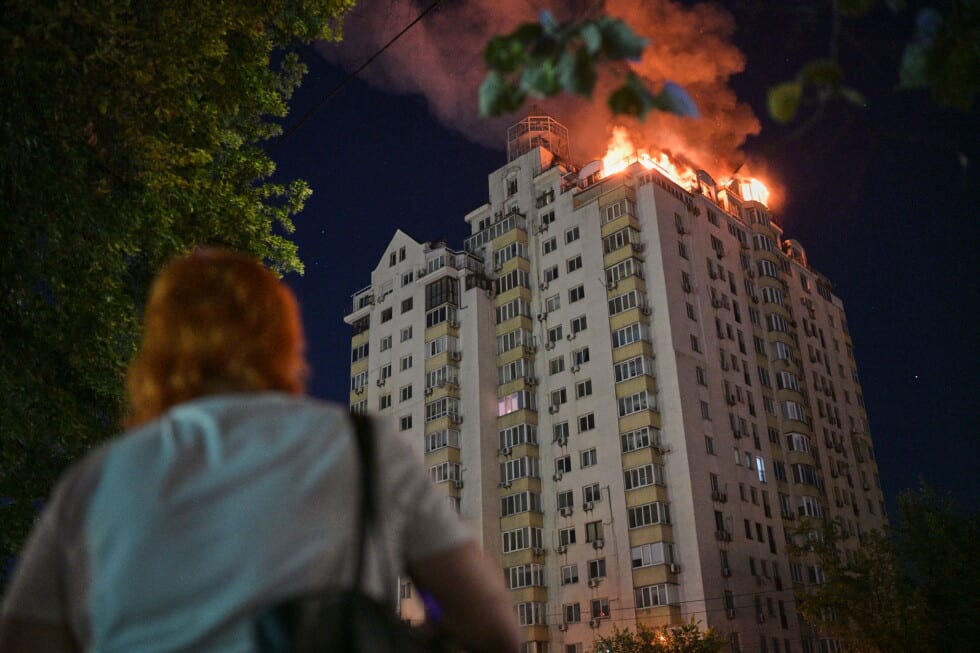
Spinn Radio
Follow live news on Spinn Radio
Why Putin’s reaction matters for the Ukraine battlefield
AP's summary of the Kremlin posture is that Putin is not changing course. Despite the shortages described, he is portrayed as ramping up attacks on Ukraine rather than easing the tempo. That is the key political signal in this phase of the war: domestic inconvenience, and even deeper economic strain, are being treated as acceptable costs.
For Ukraine and its backers, this means energy infrastructure strikes, while painful for Russia, have not yet forced visible restraint on the front. A leader who publicly brushes off fuel problems is telling his generals, and his population, that the priority remains military pressure across the border. That can translate into more frequent or more expansive operations against Ukrainian cities and military positions.
The broader takeaway is that both sides are testing how much punishment the other can absorb away from the immediate front line. Putin's response as described by AP shows that, for now, Moscow is willing to trade fuel stability for battlefield momentum.
“The Kremlin is signaling that fuel pain at home will not buy Ukraine any pause on the front.”
What is at stake for Russian civilians and the wider economy
Severe fuel shortages, as reported by AP News, touch everyday life first. Drivers face tighter supplies at the pump, transport networks come under strain, and prices for goods that rely on trucking can jump. All of that unfolds while the state continues to prioritize the war effort, a hierarchy implied by Putin's dismissive stance in the coverage.
Over time, pressure on fuel supplies can feed into a broader economic squeeze. Agricultural producers, small businesses, and regional governments all depend on predictable access to refined products. If the Kremlin keeps channeling resources toward sustaining and intensifying attacks in Ukraine, those domestic sectors risk becoming the shock absorbers for battlefield decisions.
The stakes are not just economic. Public patience will be tested if shortages persist or worsen, which is why Putin's choice to project calm and indifference to the problem is politically significant. It suggests a bet that Russians will tolerate inconvenience or hardship as long as the state holds its line on the war narrative.
“Every liter routed to the front is a liter that does not reach Russian households or businesses.”
What to watch next in Russia’s fuel crunch and the Ukraine war
The next phase of this story will turn on two linked questions: whether Ukraine keeps striking refinery infrastructure inside Russia, and whether fuel shortages deepen or begin to ease. AP News has already flagged the impact as severe, and further attacks could stretch supply chains even thinner.
Diplomatically and militarily, outsiders will watch for any sign that domestic strain starts to shape Kremlin choices. For now, the AP account and the headlines in Republic World and the Baltimore Sun point the other way: more attacks on Ukraine, not less, and a public posture from Putin that minimizes homefront problems.
For continuing coverage, live analysis, and context on how the war is evolving day to day, you can Follow live news and talk on Spinn Radio. Our news and talk stream will track new AP updates and other wire reporting as this fuel crisis and the fighting in Ukraine unfold.
“If refinery strikes continue, the real test will be whether fuel scarcity ever outruns Kremlin messaging.”
Good to know
Frequently asked questions
What is happening with fuel supplies inside Russia?
Russia is facing severe fuel shortages, according to AP News reporting that links the strain to Ukrainian attacks on oil refineries. The shortages are significant enough to be highlighted across multiple international outlets.
How is Putin responding to the fuel shortages?
Putin is publicly brushing off the fuel shortages and signaling that the war in Ukraine will intensify, not slow. AP News and other outlets describe a Kremlin that is projecting confidence despite the domestic strain.
How are Ukrainian attacks affecting Russian oil refineries?
Ukrainian attacks have hit Russian oil refineries and contributed to severe fuel shortages, according to AP News. By targeting refineries, Ukraine is pressuring Russia's ability to produce the fuel needed for both civilian life and military operations.
Why do these fuel shortages matter for the Ukraine war?
The shortages matter because they reveal how deeply the conflict is now entangled with Russia's energy infrastructure and domestic stability. AP reporting suggests that despite this pressure, Moscow is prioritizing intensified attacks on Ukraine over easing the strain at home.
Explore more on Spinn Radio: Follow live news and talk on Spinn Radio