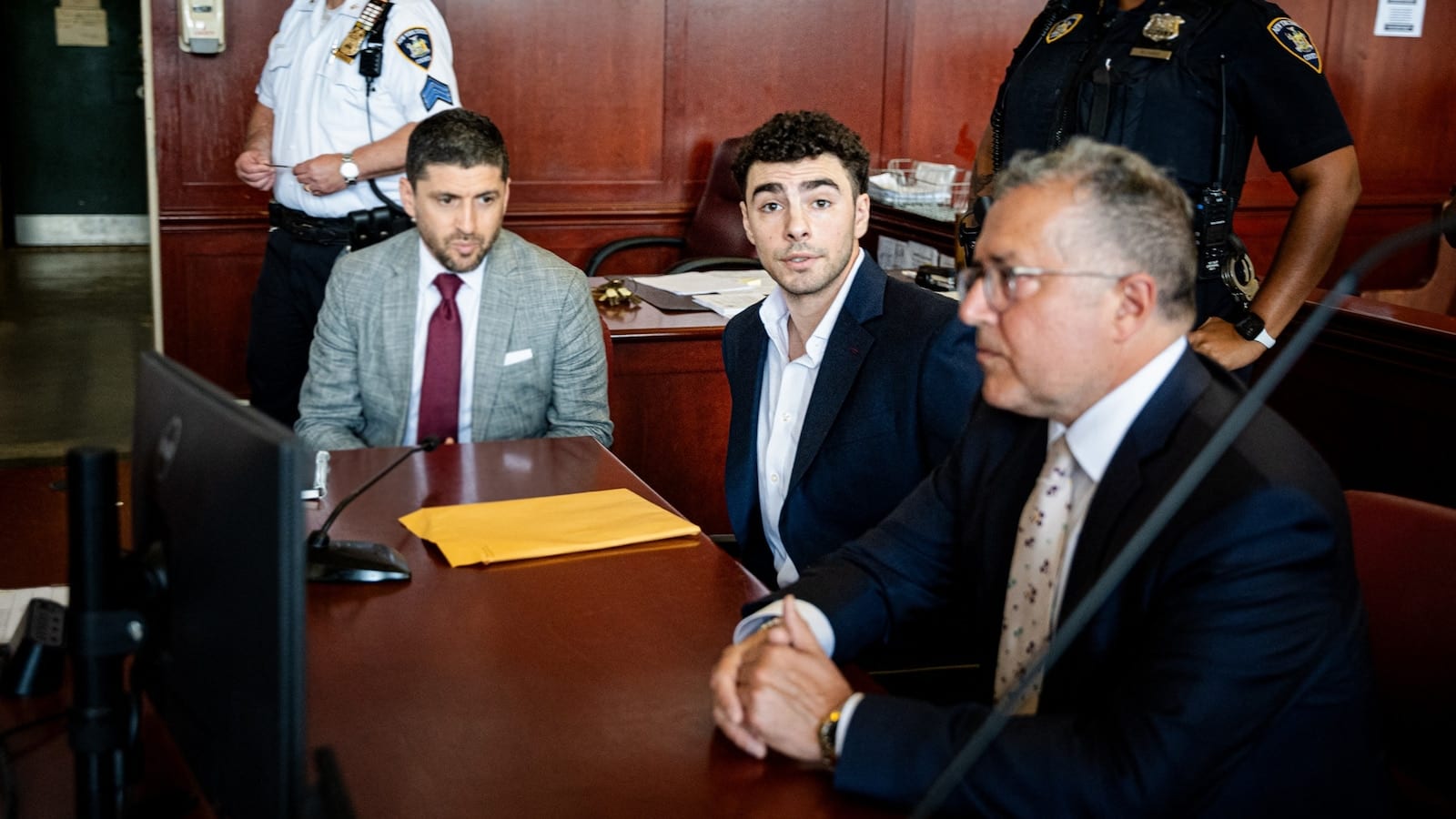
BBC News is reporting that investigators have yet to make a decisive breakthrough in the abduction of a famous TV anchor’s mother, despite days of blanket publicity around the case. The stalled progress has become a story in itself, as the scale of attention has so far failed to unlock the tip or clue detectives clearly hoped for.
The lack of movement in such a high-profile inquiry matters well beyond one family. It has turned into a test of how effective media exposure really is in modern criminal investigations, and of how authorities handle public and press pressure when a trail appears to go cold.
Key facts
- Source
- BBC
- Reported
- June 25, 2026
- Desk
- general
- Follow the story
- Spinn Radio Talk
How a high-profile abduction turned into a puzzling cold trail
According to BBC reporting, the case began with the abduction of the mother of a well-known television anchor, instantly propelling it into national headlines. The involvement of a public figure meant the story moved quickly from a local crime report to a general news priority, with extensive coverage across broadcast and digital platforms. Every new scrap of information was amplified, and the victim’s connection to a famous presenter ensured the case never slipped off the front page.
What makes the situation striking now is that this same publicity has not yet produced the breakthrough investigators expected. In many abductions involving a high-profile family, massive exposure can generate witness accounts, camera footage, or even pressure on those responsible. Here, as the BBC sets out, that feedback loop has not materialised in any decisive way. The central fact remains stubbornly unchanged: there is still no clear lead that points to who carried out the abduction or where the victim is.
“The story has shifted from what happened that day to why nothing new has emerged since.”
Why intense publicity has not cracked the investigation
The BBC report highlights a tension that has become central to this case: publicity has been huge, yet the trail is cold. Ordinarily, a famous name attached to a crime can unleash a flood of tips from viewers, readers, and online followers, especially when appeals are repeated across major outlets. Here, the volume of attention has not translated into the kind of actionable intelligence detectives need, at least not yet.
There are several possible reasons for that gap, even if the details remain closely held. Abductions are often highly targeted, which limits the pool of potential witnesses. In some instances, investigators also have to sift out large quantities of low-quality or speculative information generated by wall-to-wall coverage. The BBC’s framing of the story underlines that this case has reached a point where public visibility is no longer the main obstacle. Instead, the concern is that those responsible may have left few traces, or that crucial evidence sits with someone who has not yet connected what they know to this investigation.
“Publicity has done its job in keeping the case visible; what it has not done is point clearly to whoever is responsible.”

Spinn Radio
Follow live news on Spinn Radio
Who is involved and what is at stake in the stalled case
The central figures in this story are the abducted mother and her child, a famous TV anchor whose public profile has turned a private catastrophe into a national talking point. The anchor’s prominence is not a side detail. It is the reason the case sits on a general news desk, as the BBC credits, rather than fading into a crowded crime log. Viewers and readers recognise the name, connect it with nightly broadcasts, and in turn feel invested in the search for answers.
What is at stake now reaches beyond one family. For law enforcement, the case tests how they communicate progress in a live investigation that has captured nationwide attention but offers few visible developments. For media outlets, including the BBC, it raises questions about how frequently to update audiences when there is little hard news to add. For the public, it is a reminder that even the most high-profile victims can be left waiting for the clue that finally breaks a case open.
Why investigators keep leads quiet when a trail feels cold
The sense that the trail has gone cold does not necessarily mean investigators have stopped working the case. The BBC report notes the absence of a breakthrough, not the absence of activity. In high-stakes abductions, detectives often hold back details so they can distinguish genuine information from false leads, or so they do not tip off potential suspects about what is known. From the outside, that silence can look like stagnation, especially when the story has been so heavily covered.
This communication gap is one reason such cases feel especially unsettling to the public. People see wall-to-wall early coverage, then only sparse updates as days pass without clear progress. That shift feeds speculation that nothing is happening, even if the reality in interview rooms and evidence labs is more complicated. The BBC’s timing on this latest piece, reported on 25 June 2026, reflects that moment when the narrative moves from immediate shock to a slower, more uncertain wait for movement.
“Silence in public does not always mean silence inside an investigation room.”
What to watch next and where to follow ongoing coverage
With the abduction unresolved and the trail described as cold, the key question now is whether a new lead can emerge that shifts the investigation into a fresh phase. That could come from a member of the public connecting a small detail to the case, from new forensic analysis, or from information uncovered in the victim’s personal or professional circles. None of that is guaranteed, and BBC reporting makes clear that at this stage there is no obvious breakthrough point on the horizon.
For news followers, the story is likely to evolve in fits and starts rather than through a steady drip of updates. Periods of apparent quiet may be broken by sudden developments if a credible tip surfaces. To stay on top of those shifts, listeners can track broader coverage and analysis via Follow live news and talk on Spinn Radio, where the case sits alongside other major stories on the news agenda. As long as the anchor’s mother remains missing and no clear suspect is identified, this will remain one of the most closely watched unresolved investigations in the headlines.
“The next major update is unlikely to be incremental; if a real lead appears, it will change the shape of the story overnight.”
Good to know
Frequently asked questions
What is the central case in this BBC report?
The case involves the abduction of a famous TV anchor’s mother. BBC reporting notes that the inquiry has yet to see a decisive breakthrough despite major coverage.
Why is there still no breakthrough in the kidnap investigation?
There is no breakthrough because investigators have not yet found a decisive lead in the abduction. The BBC highlights that this is puzzling given the huge publicity.
Why does the stalled inquiry matter so much to the public?
The stalled inquiry matters because it involves the family of a well-known TV anchor and has become a test of how effective media exposure is in solving serious crimes.
How can I keep up with developments in this unresolved abduction?
You can follow developments by tracking BBC coverage and listening to broader discussion on Follow live news and talk on Spinn Radio, where the case remains on the news agenda.
Explore more on Spinn Radio: Follow live news and talk on Spinn Radio
Sources