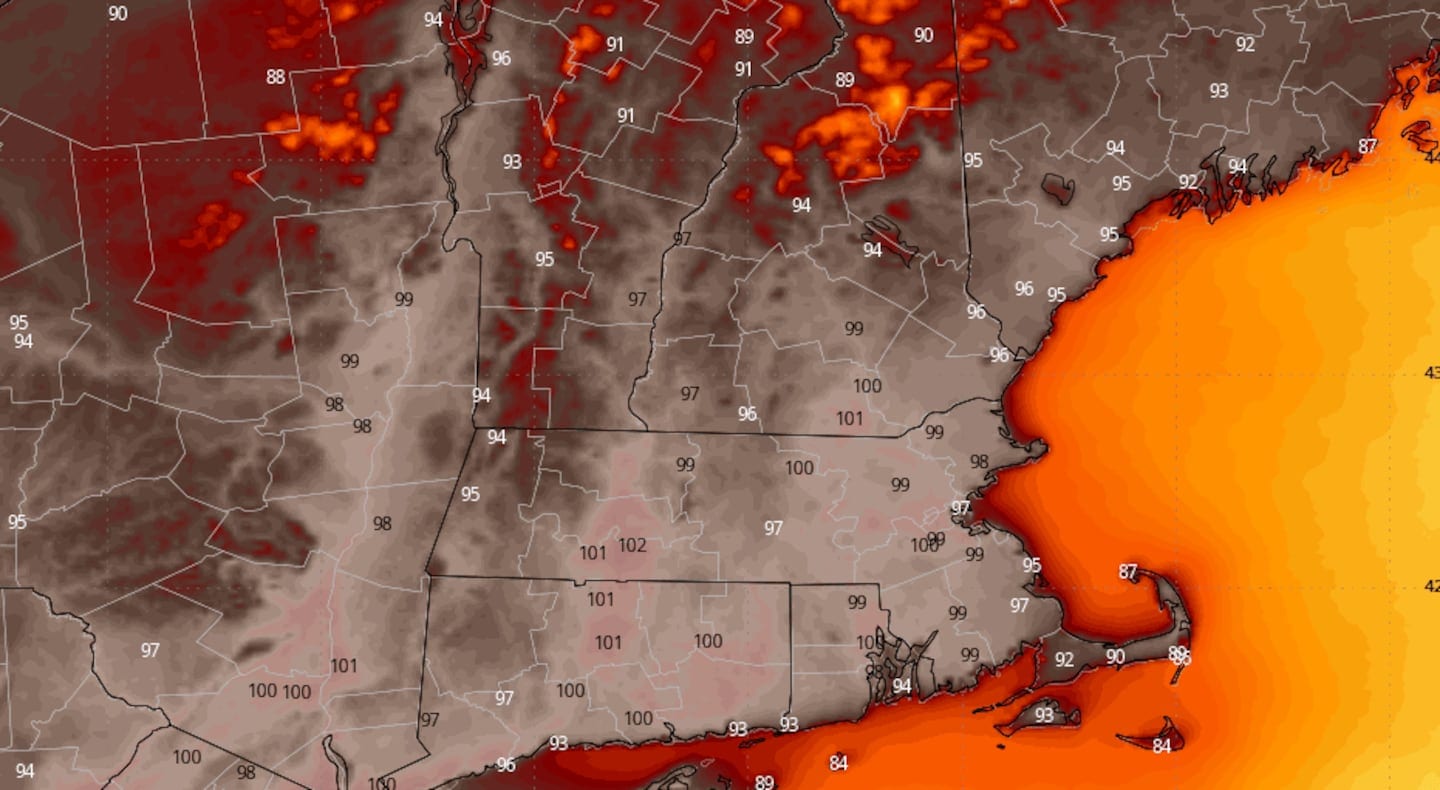
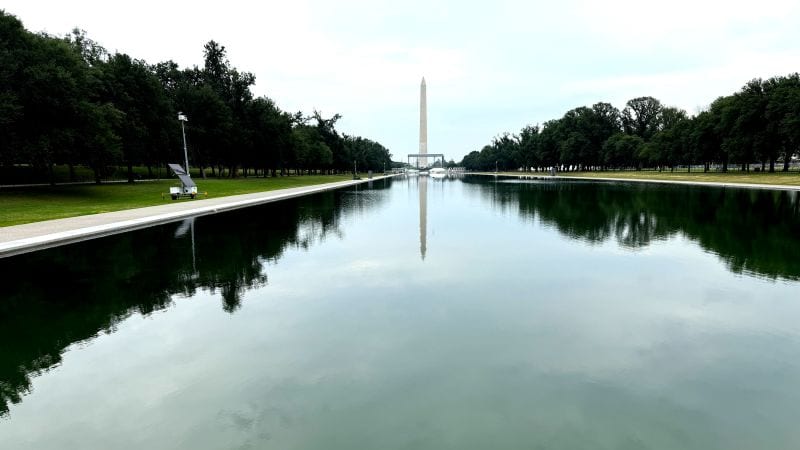
CNN reported this week that a $1.7 million “ozone nanobubbler” is now being used in a high‑profile bid to keep the Lincoln Memorial Reflecting Pool looking crystal clear. The new system fires an estimated 500 million microscopic bubbles into the water, a technical experiment playing out in one of the most symbolic public spaces in Washington.
The effort matters far beyond aesthetics. The Reflecting Pool sits at the heart of the National Mall, a backdrop for protests, concerts, and national moments of remembrance. Whether this nanobubbler can actually protect that water from turning cloudy or foul will shape how millions of visitors experience the site in the coming months.
Key facts
- Source
- CNN
- Reported
- June 28, 2026
- Desk
- general
- Follow the story
- Spinn Radio Talk
What CNN is reporting about the new nanobubbler system
According to CNN, officials have turned to an ozone‑based “nanobubbler” system that comes with a $1.7 million price tag in an attempt to keep the Lincoln Memorial Reflecting Pool clear. The reported figure underlines how serious the stewards of the site are about tackling chronic water‑quality problems that tend to flare up in warm months and heavy visitation periods.
The core detail from CNN’s reporting is the technology’s claimed capacity: the device can shoot roughly 500 million microscopic bubbles into every part of the pool. That sheer volume of bubbles is central to the pitch. By distributing ozone throughout the water in extremely small pockets, the system aims to treat more surface area and stay suspended longer than traditional aeration or chlorine‑based methods.
For now, the nanobubbler is still in the early stages of public scrutiny. Visitors see the same long, low mirror of water in front of the Lincoln Memorial, but underneath the surface, an expensive experiment is underway. Whether that investment pays off is exactly what agencies, engineers, and local advocates will be watching through this summer and beyond.
“Under the calm surface of the Reflecting Pool, a $1.7 million experiment is now quietly churning 500 million microscopic bubbles into the water.”
How an ozone nanobubbler is supposed to keep the pool clear
The technology at the center of CNN’s report relies on ozone and scale. Instead of a few large streams of air, the nanobubbler floods the Reflecting Pool with vast numbers of tiny bubbles. Because they are microscopic, these bubbles rise more slowly and stay in contact with the water longer, which is meant to give ozone more time to interact with organic material and impurities.
In practical terms, the promise is twofold: clearer water to satisfy millions of camera lenses pointed toward the Lincoln Memorial, and cleaner water that is less prone to algae blooms or odors that have sometimes drawn complaints. The idea is that smarter circulation and fine‑grained treatment can do what periodic scrubbing and chemical adjustments have struggled to sustain.
If the system works as advertised, visitors could notice fewer days where the water looks murky or off‑color. For now, though, this is a proof‑of‑concept at a very public scale. Engineers will be measuring clarity, smell, and overall stability across seasons to see whether the microscopic bubbles deliver a visible difference.
“The promise of the nanobubbler lies in scale: countless tiny bubbles lingering long enough to keep a national landmark looking sharp.”
Spinn Radio
Follow live news on Spinn Radio
Why the Reflecting Pool’s water quality keeps making news
The Lincoln Memorial Reflecting Pool is one of the most photographed bodies of water in the United States, and its problems are equally public when they surface. Any time algae builds up or the water clouds over, it shows up in tourist photos and social feeds, which puts pressure on caretakers to find more reliable fixes.
That constant scrutiny is a big part of why a $1.7 million solution has become newsworthy. The Reflecting Pool is not just decorative. It frames the Lincoln Memorial, anchors sightlines to the Washington Monument, and serves as a focal point during rallies, national ceremonies, and cultural events. Clear water reinforces that sense of dignity and order, while visibly dirty water can quickly become a symbol of neglect.
The nanobubbler test is therefore about reputation as much as engineering. Success would give managers a new tool to keep a marquee site looking healthy. Failure would raise questions about whether high‑tech, high‑cost approaches are the right way to maintain historic public spaces that were not designed with modern treatment systems in mind.
What is at stake if the nanobubbler solution falls short
If the nanobubbler does not deliver, the Reflecting Pool’s caretakers may be pushed back to a familiar cycle of reactive fixes, partial drainings, and chemical treatments that can unsettle visitors and disrupt the space. Each time the pool looks neglected, it chips away at how people experience the Lincoln Memorial as a whole.
There is also a policy angle. A costly trial that fails to keep the water reliably clear would make it harder to justify similar technology at other federal or municipal sites. Agencies watching this experiment will be weighing whether such systems belong in the broader toolkit for managing fountains, ponds, and pools that double as civic landmarks.
On the other hand, measurable gains in clarity or fewer high‑profile incidents of murky water could quickly turn the Reflecting Pool into a case study for high‑tech water treatment in historic settings. That possibility explains why a niche piece of hardware has suddenly become a national story.
“If the nanobubbler stumbles, the Reflecting Pool risks slipping back into a cycle of murky water and high‑profile embarrassment.”
What to watch next as the experiment continues
The immediate question is simple: does the water stay consistently clear in the weeks and months after the nanobubbler’s deployment, especially during peak summer heat and visitation? Observers will be watching for visual signs of improvement, as well as how often caretakers still need to intervene with manual cleaning or other treatments.
CNN’s June 28 report plants a flag in time for that scrutiny. From here, follow‑up reporting will likely focus on whether the performance justifies the $1.7 million cost and whether agencies move to expand, adjust, or scale back the system. Any decision to replicate nanobubblers elsewhere on the National Mall, or in other cities, will depend on how this flagship test performs.
For listeners who want to stay on top of how the Reflecting Pool experiment plays out and how it fits into wider debates about public space and infrastructure, you can Follow live news and talk on Spinn Radio. Coverage on Spinn Radio Talk will track new data, public reaction, and any changes to the plan as they emerge.
Good to know
Frequently asked questions
What is the new device being tested at the Reflecting Pool?
The new device is a $1.7 million ozone nanobubbler system. CNN reports it is designed to pump hundreds of millions of microscopic bubbles into the pool water to help keep it clear.
How is the nanobubbler supposed to improve the Reflecting Pool?
The nanobubbler is supposed to improve the Reflecting Pool by using ozone‑filled microscopic bubbles to keep the water crystal clear. The bubbles linger in the water to increase contact with impurities and limit cloudy or algae‑prone conditions.
Why did officials invest $1.7 million in this Reflecting Pool fix?
Officials invested $1.7 million because water quality at the Reflecting Pool is a recurring, very visible problem. CNN’s reporting highlights the pressure to keep a symbolic national landmark looking clean for millions of visitors.
What should visitors and listeners watch for next with the Reflecting Pool?
The key thing to watch is whether the water stays consistently clear after the nanobubbler’s deployment. Follow‑up coverage will focus on performance across seasons and whether the system is expanded, altered, or replaced, which you can track on Spinn Radio Talk.
Explore more on Spinn Radio: Follow live news and talk on Spinn Radio
Sources