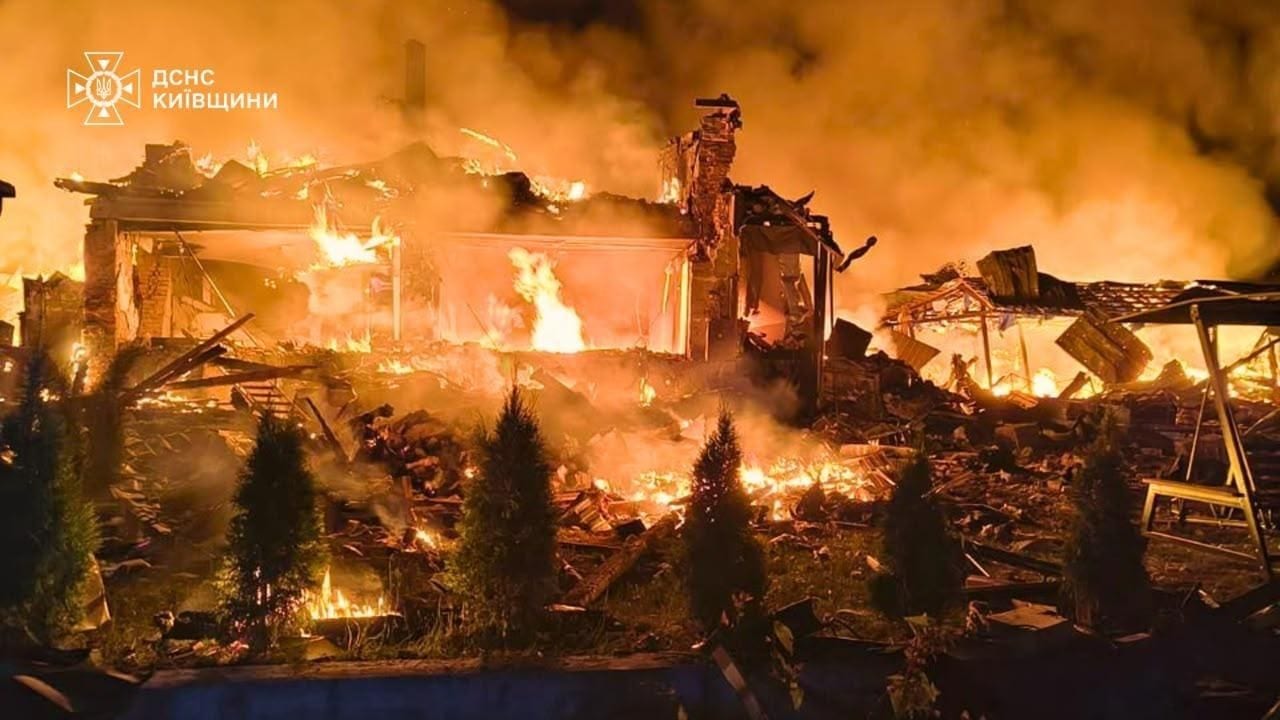
Another overnight Russian attack on Kyiv and Kyiv Oblast has killed three people, The Kyiv Independent reported, underscoring that Ukraine’s capital region remains a front‑line target even far from the trench lines. The outlet cited regional governor Tymur Tkachenko, who said the casualties occurred in Kyiv Oblast’s Brovary district.
The strike, reported on August 8, 2026, is the latest reminder that residents in and around Kyiv still face lethal bombardment after more than two years of full‑scale war. With three people killed and others injured in a single night, pressure is likely to grow on Ukraine’s defenses and its partners to keep improving protection of the skies above the capital.
Key facts
- Source
- The Kyiv Independent
- Reported
- August 8, 2026
- Desk
- general
- Follow the story
- Spinn Radio Talk
What we know so far about the Brovary district attack
According to The Kyiv Independent, regional governor Tymur Tkachenko reported that an overnight Russian attack on August 8 killed three people in Kyiv Oblast’s Brovary district. The strike hit during the night, when many residents would have been at home or asleep, amplifying the shock and fear that accompany these recurring bombardments.
The outlet also reported injuries in the attack, with several people hurt in addition to the three confirmed dead. While the initial summary focuses on the casualties and location rather than the specific weaponry, the toll in Brovary is enough to mark this as a significant incident for the wider Kyiv region, which hosts key infrastructure, government institutions and a dense civilian population.
The fact that Tkachenko, as regional governor, is the one publicly confirming the deaths underlines how such attacks are now a grim part of local authorities’ daily work: counting victims, coordinating emergency services and trying to reassure communities that remain within range of Russian strikes.
“Overnight in Brovary, the routine of war became three more names for officials to count and families to mourn.”
Why another strike on Kyiv Oblast matters now
The report from The Kyiv Independent lands at a time when the Kyiv region’s defenses are under constant scrutiny, both inside Ukraine and among its allies. Every successful Russian strike on Kyiv Oblast, particularly one that kills civilians in places like the Brovary district, raises new questions about the adequacy of air defenses and early‑warning systems in and around the capital.
Kyiv is not just a political center, it is also a vital hub for logistics, media, and culture. Attacks that reach surrounding districts threaten everything from government continuity to basic services for millions of people. The latest overnight casualties show that even as frontline battles shift elsewhere, Russia still expends effort targeting the capital region, keeping psychological pressure high and forcing Ukraine to deploy limited air defense assets to protect the city and its suburbs.
For residents of Kyiv Oblast, the significance is more immediate. A single overnight strike can close roads, damage utilities and displace families, compounding the daily strain of sirens and shelters. The Brovary deaths on August 8 add one more hard data point to the lived reality that no part of the capital region can be considered fully safe while Russian forces retain the ability to strike from range.
Spinn Radio
Follow live news on Spinn Radio
How repeated overnight attacks shape life around Kyiv
Overnight strikes like the one reported in Brovary disrupt more than just sleep. They shape how people plan their evenings, where children spend the night, and how businesses operate after dark. When three people are killed in a single nighttime attack, as regional governor Tymur Tkachenko reported, it reinforces a pattern in which air raid alerts may come at any hour and ordinary routines can be shattered without warning.
For many around Kyiv, this has meant keeping go‑bags by the door, identifying basements or shelters nearby, and staying connected to alert apps or radio channels throughout the night. The tension is cumulative. Each new casualty figure, such as the three deaths in Brovary, adds to a sense that the danger is not abstract or confined to distant battlefields but present in familiar neighborhoods, roads and apartment blocks.
Media outlets like The Kyiv Independent play a critical role in documenting these impacts, relaying not only the casualty numbers but also where and when attacks occur so residents can understand evolving patterns. For global listeners and readers, following coverage and live discussion on platforms like Follow live news and talk on Spinn Radio helps turn isolated headlines into a clearer picture of how war alters everyday life in Ukraine’s capital region.
“In Kyiv’s suburbs, counting the hours of quiet between sirens has become its own measure of time.”
Who is involved and what regional officials are saying
The key named official in this latest incident is Tymur Tkachenko, the governor of Kyiv Oblast. According to The Kyiv Independent, he was the one to report that three people had been killed in the Brovary district during the overnight attack. Governors like Tkachenko are on the front line of wartime administration, bridging national defense decisions and the local responders who move into action after each strike.
Their responsibilities include coordinating emergency medical services, managing damage assessments and communicating both upwards to Kyiv’s central government and outwards to the public. When Tkachenko reports three fatalities, it reflects information gathered from local authorities and responders, and becomes the baseline figure used by journalists, aid groups and international observers assessing the scale of an incident.
On the other side of the equation is Russia, which launched the overnight attack. The Kyiv Independent’s reporting confirms that the strike originated from Russian forces, adding to a long record of bombardments against Ukraine’s capital region since the full‑scale invasion began. Each time an official like Tkachenko details the human cost, it feeds into wider debates over accountability and the laws of war.
What to watch next after the Brovary casualties
In the coming days, the key questions will center on whether this latest overnight strike triggers any visible changes in Ukraine’s air defense posture around Kyiv. Casualties in the Brovary district may prompt renewed calls for additional systems or munitions from partners, especially if officials signal that existing defenses are stretched by repeated waves of attacks.
Observers will also be watching for updated casualty figures or further details from Kyiv Oblast authorities. Initial reports early on August 8 emphasized the three people killed and additional injuries, but assessments can evolve as rescue operations finish and damage is surveyed. Any follow‑up statements from regional governor Tymur Tkachenko or Ukraine’s national leadership will help clarify how this attack fits into the broader pattern of strikes on the capital area.
For those tracking the conflict from abroad, staying with trusted outlets like The Kyiv Independent and tuning in to Follow live news and talk on Spinn Radio will be key to understanding how incidents like the Brovary attack shape the next phase of the war. As more information emerges, both local residents and international audiences will be looking for signs of whether Kyiv’s defenses can keep pace with the threats still facing the capital region.
“The real test after Brovary will be whether Kyiv’s defenses and its partners treat three more deaths as a warning or just another statistic.”
Good to know
Frequently asked questions
What happened in the latest overnight attack near Kyiv?
A Russian overnight attack on Kyiv Oblast killed three people in the Brovary district, according to regional governor Tymur Tkachenko as reported by The Kyiv Independent.
Where exactly did the reported casualties occur?
The reported casualties occurred in Kyiv Oblast’s Brovary district, a part of the wider capital region that continues to face Russian strikes from range.
How many people were injured in the Brovary strike?
Several people were injured in the Brovary district attack, The Kyiv Independent reported, in addition to the three confirmed deaths.
Who confirmed the deaths from the Brovary district attack?
Kyiv Oblast governor Tymur Tkachenko confirmed the three deaths from the Brovary district strike, according to reporting by The Kyiv Independent.
Explore more on Spinn Radio: Follow live news and talk on Spinn Radio
Sources