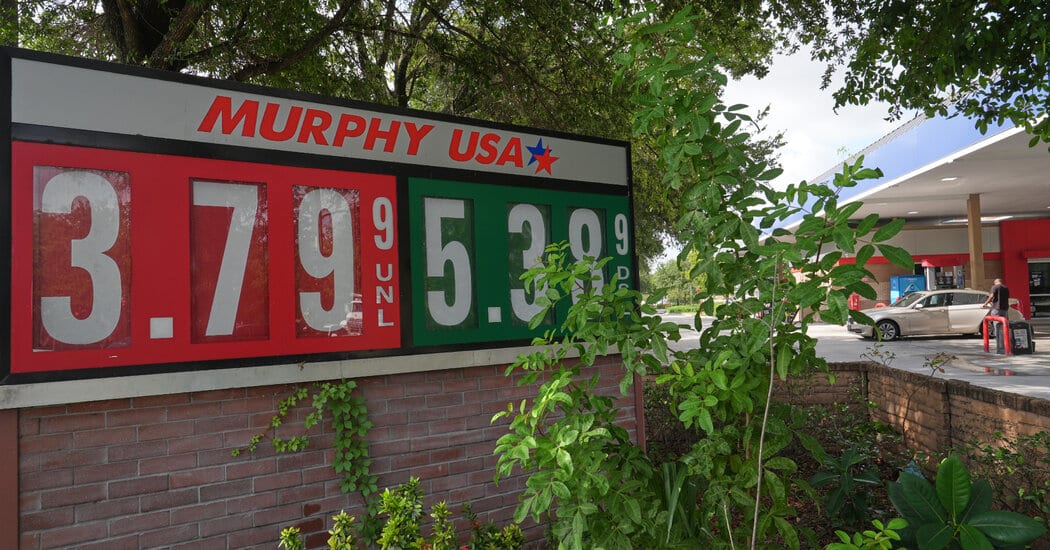
Oil prices tumbled after investors reacted to a pause in fighting in the Iran war, The New York Times reported, marking the first major market response since the shift on the battlefield. Traders moved quickly to pull back bets on a prolonged supply disruption, sending crude sharply lower.
The sell-off came in the first full market session since President Trump said late Saturday that he had halted a U.S. assault on Iran. That decision instantly changed how energy markets are pricing in the risk of wider conflict in a region that is critical to global oil flows.
Key facts
- Source
- The New York Times
- Reported
- August 2, 2026
- Desk
- general
- Follow the story
- Spinn Radio Talk
Why oil prices are dropping after the Iran war pause
According to The New York Times, the latest move in oil was the market’s first real chance to react to President Trump’s weekend statement that he had called off a U.S. assault on Iran. In the days when fighting was escalating, traders had been adding a war premium to crude, bracing for damage to key infrastructure or shipping lanes. The pause in fighting undercut that logic and triggered a rush to exit those defensive positions.
The immediate takeaway is simple: less imminent military action means less perceived risk to near‑term supply. Energy markets are highly sensitive to changes in war headlines, and a single comment from the White House about halting a strike was enough to flip sentiment from fear to caution. Prices did not just drift lower, they plummeted as investors scrambled to reprice the chances of a sudden disruption in exports from the region.
For anyone watching oil as a barometer of geopolitical stress, this drop is a clear signal that traders now see the conflict entering a holding pattern rather than a rapid spiral into broader war.
“Less imminent military action means less perceived risk to near‑term oil supply.”
How Trump’s halted U.S. assault on Iran reshaped market risk
The New York Times reports that President Trump’s decision, delivered late Saturday, to halt a U.S. assault on Iran was the trigger for the sharp repricing. Until that point, markets had been gaming out scenarios that involved direct hits on Iranian targets and possible retaliation across the region. That set‑up encouraged investors to pay up for oil as a hedge against worst‑case outcomes.
Once the assault was halted, those scenarios moved further out on the horizon. In practical terms, traders who had bought crude as insurance against a rapid escalation suddenly found themselves holding expensive protection they no longer needed. Selling those positions into thin weekend and early‑week trading amplified the drop, turning a shift in rhetoric into a visible shock across energy benchmarks.
The key detail for readers is timing: this latest move is not a slow reaction to long‑running tensions but the first clear market verdict on Trump’s specific call to pause a strike.
“This was not a slow drift in sentiment but the first clear market verdict on Trump’s decision to pause a strike.”
Spinn Radio
Follow live news on Spinn Radio
What the Iran conflict means for global oil supply now
Even with a pause in fighting, the war in Iran keeps a large question mark hanging over global oil supply. The region is central to the flow of crude that powers major economies, so any talk of assaults, retaliation, or cease-fires quickly feeds into price screens. The current fall in prices reflects a belief that, for now, the worst supply shocks have been postponed rather than resolved.
That distinction matters. A temporary easing of hostilities can encourage refiners, airlines, and shipping firms to relax some of their most urgent hedging, which contributes to lower prices in the short term. But the underlying conflict, and the possibility that President Trump or Iranian leaders could change course again, remains a live risk that markets will keep repricing with every headline.
For energy‑focused listeners on Spinn Radio, the headline to remember is that oil is trading more on politics than on pure demand data at this moment, and that makes prices especially vulnerable to sudden swings if the pause breaks down.
“Oil is trading more on politics than on pure demand data right now.”
What investors will watch next in the Iran war and oil markets
With the first wave of selling through, traders will focus on whether the pause in fighting turns into a more durable halt or slips back into open confrontation. Any sign of renewed military preparations by the United States or Iran would likely put a war premium straight back into oil. Conversely, statements that point toward negotiations or confidence‑building steps could keep the pressure on prices.
Market desks will also watch how President Trump frames his decision in the coming days. The New York Times report ties the oil move directly to his announcement that an assault was halted. If his tone shifts toward renewed threats, even without immediate action, risk models that had just been dialed down may have to be raised again.
For anyone trying to track these cross‑currents in real time, following live analysis and political coverage is as important as scanning price charts. You can follow live news and talk on Spinn Radio as this story develops and as fresh remarks from Washington and Tehran hit the airwaves.
“If the pause holds, the war premium stays low; if it breaks, traders will rebuild it quickly.”
Good to know
Frequently asked questions
What triggered the latest drop in oil prices?
The latest drop in oil prices was triggered by a pause in fighting in the Iran war and President Trump’s decision to halt a U.S. assault on Iran. That change in the military outlook led investors to cut the war risk premium they had built into crude.
How is President Trump’s decision affecting energy markets?
President Trump’s decision to halt a U.S. assault on Iran prompted traders to reassess how likely a major supply disruption has become. With immediate escalation seen as less likely, markets responded by selling oil that had been bought as a hedge against war.
Why does a pause in the Iran conflict matter for global oil supply?
A pause in the Iran conflict matters because it reduces the near‑term risk to a region that is critical for global oil flows. Even a temporary easing can shift prices significantly as traders adjust expectations for disruptions.
What should investors and listeners watch for next?
Investors and listeners should watch for signs that the pause in fighting is either holding or collapsing, along with any new statements from President Trump or Iranian leaders. Those political signals will heavily influence whether oil keeps falling or snaps back higher.
Explore more on Spinn Radio: Follow live news and talk on Spinn Radio
Sources