Louisiana health officials are warning beachgoers to be cautious in coastal waters after what AP News reports is a summertime surge in infections linked to a flesh-eating bacteria. The advisory, issued as peak swimming season continues, urges residents and tourists to take simple precautions rather than avoid the water entirely.
The notice lands in the heart of August, when warm Gulf waters and packed beaches collide, and when infections tied to this kind of bacteria historically rise. Health officials are trying to get ahead of that curve with clearer guidance on how people can lower their risk while still enjoying the coast.
Key facts
- Source
- AP News
- Reported
- August 9, 2026
- Desk
- health
- Follow the story
- Spinn Radio Talk
Why Louisiana is warning swimmers now
AP News reported on August 9, 2026 that Louisiana health officials are sounding the alarm about a summertime spike in infections from a flesh-eating bacteria. The timing is not accidental. Hot weather, warm coastal waters and heavy beach traffic often line up in late summer, which is when health departments tend to see more serious bacterial infections connected to swimming or wading.
The current advisory is not framed as a ban on beachgoing but as a warning about elevated risk. When officials highlight a "surge" in cases, they are signaling that infections are running higher than what they expect for this time of year. For anyone planning a Gulf trip, that means thinking a bit more carefully about how and when they get into the water, especially if they have any breaks in the skin.
The key takeaway is that this is a seasonal health alert, reported by AP News from Louisiana's health desk, focused on changing behavior during the hottest weeks rather than closing beaches outright.
“The alert is about changing summer behavior, not shutting down the coast.”
What flesh-eating bacteria infections actually mean
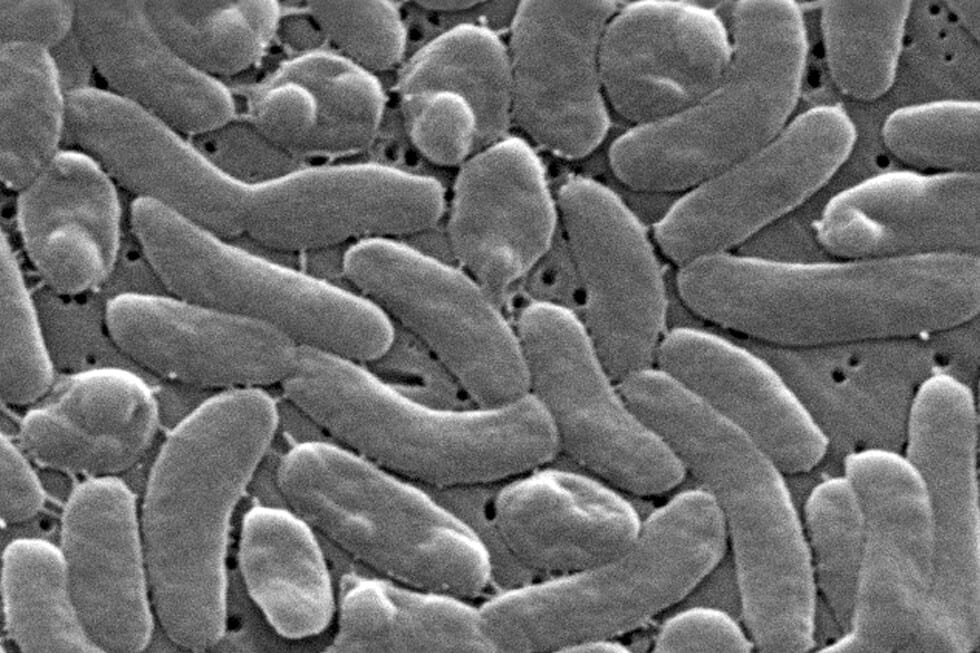
When health officials talk about "flesh-eating" bacteria, they are describing rare but severe infections that can rapidly damage tissue. These infections often start when bacteria enter the body through a cut, scrape or other opening in the skin, or through exposure in warm, brackish water. The dramatic label reflects how quickly the condition can worsen if it is not caught and treated early.
The Louisiana warning is tied to infections that surge in the summer, when people spend more time in coastal waters. Even if the exact numbers are not public, the concern is serious enough that health authorities want swimmers and waders to recognize symptoms quickly: sudden pain, swelling or redness around a wound after being in the water are all red flags that call for fast medical attention.
For beachgoers, the important detail is that the bacteria itself is not new, and it is not unique to Louisiana. What matters is the combination of warm water, open skin and delayed treatment, which is why this advisory focuses so heavily on prevention and early recognition rather than panic.
“It is the mix of warm water, open skin and delayed treatment that turns a beach day into a medical emergency.”
Spinn Radio
Follow live news on Spinn Radio
How Louisiana beachgoers can lower their risk
Louisiana health officials are urging precautions, not abandonment of the coast. The most basic step is to avoid exposing open wounds to warm coastal or brackish water. That means skipping a swim if you have recent surgery sites, fresh tattoos, cuts, scrapes or insect bites that break the skin. A waterproof bandage can help, but the safest choice is often to keep healing skin out of the surf entirely.
People who do go into the water are being encouraged to wash off afterward, watch any existing wounds for rapid changes and seek care quickly if something looks off. Pain that feels out of proportion to a small cut, spreading redness or swelling, and sudden fever after water exposure are all signs that should push someone to a clinic or emergency room instead of waiting it out at home.
Families visiting the Gulf coast can also plan around riskier conditions. Warm, shallow, brackish areas, like spots where rivers and the sea mix, tend to be mentioned more often in health guidance than deeper, cooler water offshore. Checking local advisories before heading to the beach and heeding posted warnings can make a routine day out safer without adding much hassle.
What this warning signals about Gulf Coast summer health risks
A summertime surge in flesh-eating bacterial infections in Louisiana points to a broader pattern along the Gulf Coast: warm months bring higher risks from waterborne pathogens. When Louisiana's health desk issues an alert, it is part of a recurring effort to match public behavior with seasonal hazards, much like heat advisories or rip current warnings.
The fact that AP News is highlighting the Louisiana advisory underscores that this is not just a local footnote. Tourists cross state lines for Gulf beaches, and a warning in one state can shape expectations for the region as a whole. People who regularly travel for fishing, boating or coastal festivals will want to factor these risks into their summer plans, even if neighboring states have not formally updated their own guidance yet.
This kind of alert also tends to feed back into hospital readiness and public messaging. Emergency departments become more watchful for specific symptoms, and state agencies revisit how clearly they explain water safety on websites, social media and local news. The stakes are high because the infections are rare but potentially severe, which is why officials push for awareness before the busiest weeks on the coast wrap up.
“On the Gulf Coast, summer fun and seasonal health risks always arrive as a package deal.”
What to watch next and where to follow updates
From here, the key questions are whether Louisiana's summertime surge in infections grows, levels off or subsides as August winds down, and whether health officials tighten or relax their guidance based on what hospitals report. If numbers climb, authorities could respond with more targeted warnings for specific parishes or high-traffic beaches.
Travelers and locals should also watch how other Gulf Coast states respond. Advisories in one state sometimes prompt neighboring health departments to issue their own reminders, particularly when national outlets like AP News give the story wider reach. That ripple effect can change the tone of summer tourism messaging across the region.
For ongoing coverage, analysis and community reaction, you can Follow live news and talk on Spinn Radio. Our talk channels track developing public health alerts like this one through the end of the season, with updates whenever state officials adjust their warnings or release new data.
Good to know
Frequently asked questions
Why is Louisiana warning about a flesh-eating bacteria now?
Louisiana issued the warning now because health officials are seeing a summertime surge in infections from a flesh-eating bacteria. The alert is timed to peak beach season, when warm waters and heavy coastal use raise the risk of exposure.
How worried should beachgoers be about this Louisiana alert?
Beachgoers should take the Louisiana alert seriously but not see it as a call to abandon the coast. Health officials are stressing precautions and early recognition of symptoms so people can keep enjoying the water with lower risk.
What precautions help reduce the bacteria risk in coastal water?
Avoiding contact between open wounds and warm coastal or brackish water is one of the most important precautions. Watching for fast-changing redness, swelling or pain after water exposure and seeking prompt medical care can also limit the danger.
Will this Gulf Coast health warning affect summer travel plans?
The warning could influence some Gulf Coast travel plans, especially for people with higher health risks or healing wounds. Officials are aiming to inform visitors, not close beaches, so most trips can continue with added care around water exposure.
Explore more on Spinn Radio: Follow live news and talk on Spinn Radio
Sources