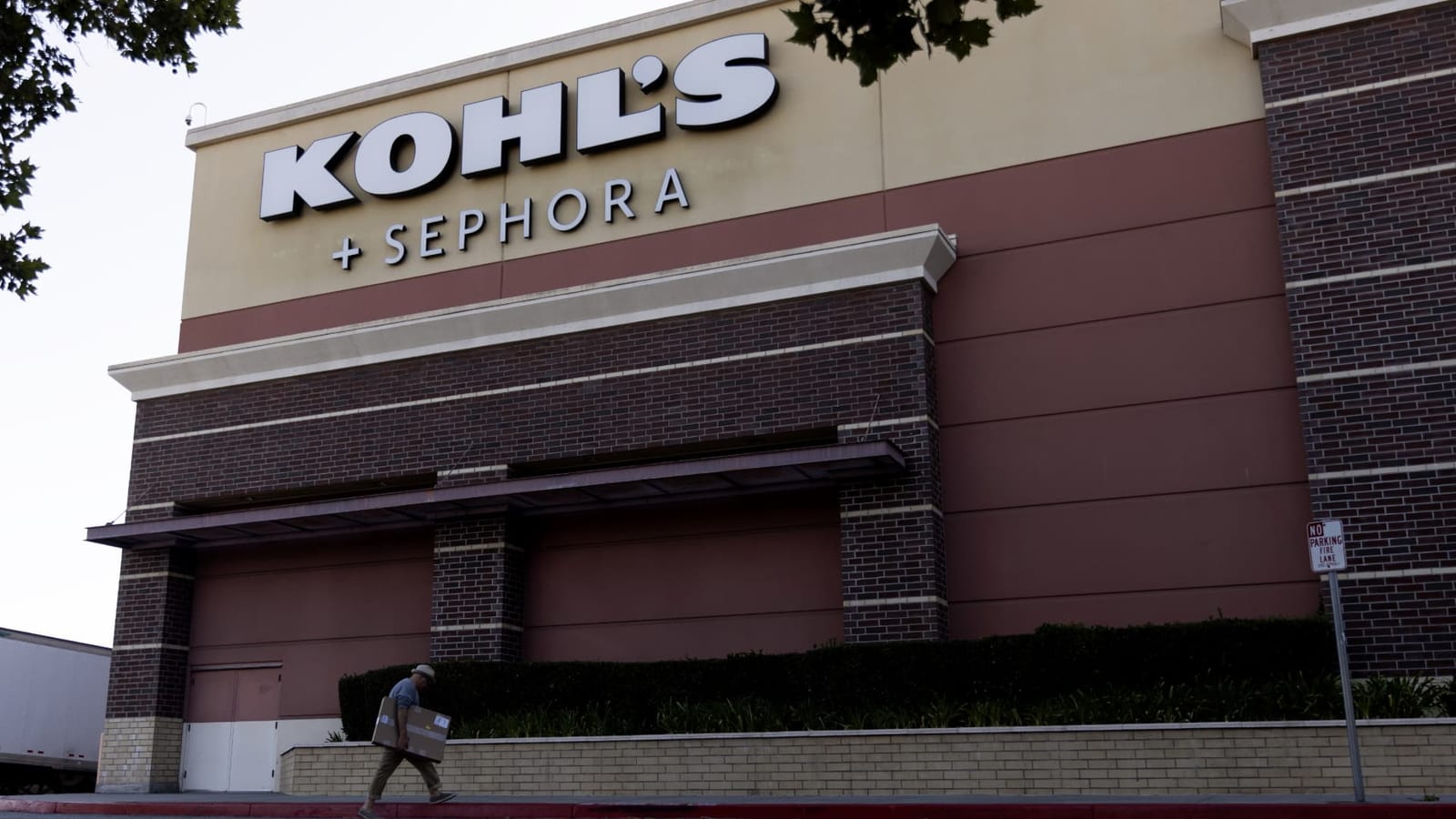
Kohl’s struggle to stay relevant is back in the spotlight after CNBC reported how the once ubiquitous department store slipped from household favorite to plunging stock, and is now scrambling to engineer a turnaround. The report, published this week, underscored how far the retailer has drifted from its core customer and how much work is left to repair the damage.
For shoppers and investors who grew up treating Kohl’s as a reliable stop for mid-priced fashion and home basics, the story matters right now because it captures a chain at a crossroads: either it finds a way to reconnect with its base or it risks sliding further into the long list of U.S. department stores that failed to evolve in time.
Key facts
- Source
- CNBC
- Reported
- June 27, 2026
- Desk
- general
- Follow the story
- Spinn Radio Talk
How Kohl’s went from suburban staple to slipping stock
According to CNBC, Kohl’s trajectory over the past several years tracks a familiar retail arc: a strong, widely recognized brand that lost focus as shopping habits shifted and competitors sharpened their offers. Once known simply as a convenient, value-focused stop for families, the chain gradually struggled to differentiate itself as online marketplaces, specialty brands, and big-box rivals trained shoppers to expect sharper prices, faster convenience, or clearer style identities.
The result, CNBC reported, has been a battered share price and a perception problem. A plunging stock is not only a financial headache, it is a public scoreboard that signals to customers, employees, and landlords that a company is on the back foot. For Kohl’s, that market verdict reflects a deeper concern that the retailer misread what its core customer wanted as the retail landscape shifted around it.
“A plunging stock is not just a market story, it is a signal that shoppers have started to look elsewhere.”
Where Kohl’s lost its core customer
CNBC’s reporting centers on a clear turning point: Kohl’s lost touch with its core shopper. For years the chain thrived on a predictable formula of accessible brands, aggressive promotions, and a store experience aimed squarely at value-minded families. As new competitors emerged and tastes changed, Kohl’s response did not keep pace, and customers who once visited by habit had more compelling options.
Losing that core customer is more than a marketing misstep. It ripples across everything from inventory planning to store traffic. When shoppers stop seeing Kohl’s as the default place for seasonal wardrobes or basic home goods, the retailer is left with mismatched stock, higher markdowns, and a brand that feels out of step with how people actually live and shop. CNBC’s piece frames this as the central challenge Kohl’s now has to solve: figure out who its primary customer is today and rebuild around that profile.
“The moment a retailer stops being the default choice for its core shopper, the rest of the business starts to fray.”
Spinn Radio
Follow live news on Spinn Radio
Inside Kohl’s attempt at a turnaround
CNBC reports that Kohl’s is now in active turnaround mode, working to make itself relevant again after the erosion of its stock and shopping base. While the exact steps are still unfolding, the thrust of the effort is clear: sharpen the brand, reset the relationship with its target customer, and prove to Wall Street that a comeback is possible.
Retail turnarounds typically require tough choices about what to emphasize and what to abandon, and Kohl’s is no exception. The company has to weigh how much to lean into promotions, how to refresh its merchandise mix, and how to use its physical stores more effectively at a time when digital shopping keeps growing. Each choice sends a message to shoppers about what Kohl’s stands for now, not just what it used to be.
For observers, the key takeaway from CNBC’s coverage is that Kohl’s is not treating this as a slow drift. Management is under pressure to show measurable progress, because the longer the stock reflects doubt, the harder it becomes to recruit talent, secure favorable terms from partners, and maintain confidence among loyal shoppers.
“Kohl’s has moved from defending its past strengths to urgently redefining what kind of retailer it wants to be.”
Why Kohl’s future matters beyond one retailer
The story of Kohl’s, as laid out by CNBC, is also a test case for the broader U.S. department store model. A chain that was once a reliable mid-market anchor is now asking the same questions many retailers face: how to stay relevant to younger shoppers, how to balance stores with e-commerce, and how to maintain profitability when promotions train customers to wait for deals.
For mall owners, brands that sell through Kohl’s, and the communities that host its stores, the company’s trajectory affects more than just a ticker symbol. A successful reset could stabilize local retail ecosystems and signal that mid-tier department stores still have a distinct role. A failed one would add to the list of cautionary tales about legacy retailers that could not adapt quickly enough to new habits and expectations.
What to watch next in Kohl’s reset
CNBC’s report is a snapshot of a retailer in motion, not a finished verdict. The next phase will be defined by whether shoppers notice meaningful changes in stores and online, and whether that shows up in sales and sentiment. Investors will be watching for signs that the stock’s slide is stabilizing, which would hint that the market believes Kohl’s strategy has a chance to work.
For anyone tracking the story, the most useful approach is to watch both sides at once: the retail experience that customers see on the floor, and the financial signals that show up in quarterly results and market reaction. Together they will reveal if Kohl’s has found a credible way to reconnect with its core customer or if the brand remains stuck between past habits and future needs.
You can keep up with how this turnaround effort unfolds and what it signals for the rest of retail by tuning into live analysis and caller reactions on Follow live news and talk on Spinn Radio, where the Kohl’s story will continue to surface as new developments emerge.
“The real test will be whether shoppers actually feel that Kohl’s has changed, not just whether the strategy looks good on paper.”
Good to know
Frequently asked questions
What went wrong at Kohl’s?
Kohl’s stumbled by losing relevance with its core customer, which CNBC reports has contributed to a plunging stock and pressured the retailer to rethink its strategy.
Why is Kohl’s stock under pressure?
Kohl’s stock has fallen as investors reacted to signs that the retailer lost its footing with shoppers, a trend CNBC highlights as central to its current troubles.
How is Kohl’s trying to become relevant again?
Kohl’s is pursuing a turnaround that focuses on reconnecting with its target customer and clarifying what the brand stands for, according to CNBC’s recent report.
Why does Kohl’s turnaround matter to other retailers?
Kohl’s reset is seen as a test of whether mid-market department stores can adapt to new shopping habits, a question with implications for malls, brands, and communities.
Explore more on Spinn Radio: Follow live news and talk on Spinn Radio
Sources