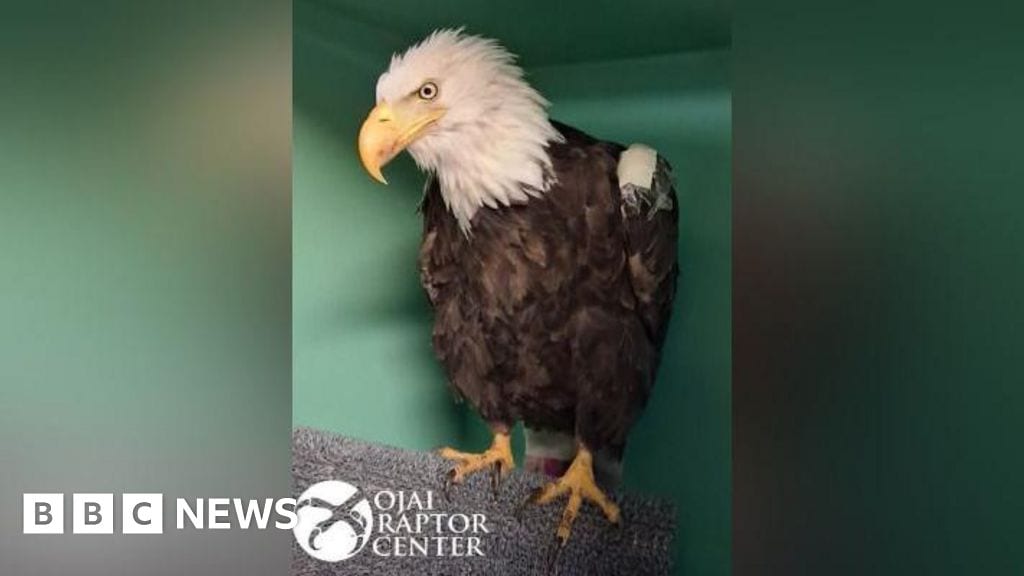
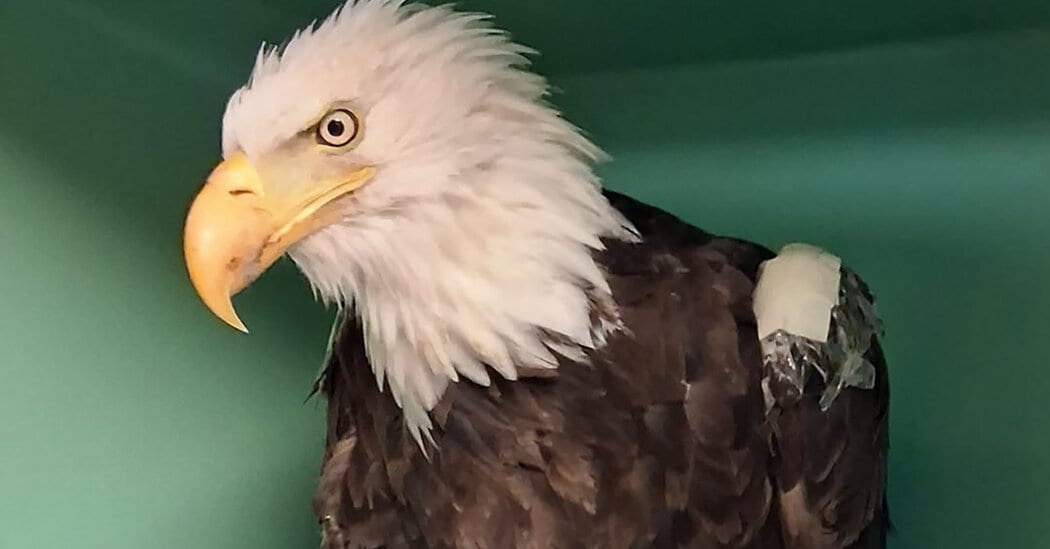
Jackie the bald eagle, whose nesting life in California became a fixation for homebound viewers during the pandemic, has died while being treated for anemia, The New York Times reported this week. Her death turns a once-soothing livestream into a site of mourning for fans who watched her every move in real time.
The Times report, published August 10, describes the end of a yearslong online relationship between the bird, her mate and a remote audience that followed their nesting attempts as closely as a serialized drama. What began as a nature camera experiment has become a story about attachment, loss and what happens when wild animals become part of daily life on screen.
Key facts
- Source
- The New York Times
- Reported
- August 10, 2026
- Desk
- general
- Follow the story
- Spinn Radio Talk
How Jackie the eagle became a livestream phenomenon
Jackie first drew attention when a livestream camera was trained on her nest, giving viewers a constant view of her and her mate as they tried to raise chicks. The feed found its largest audience during the pandemic, when people in California and far beyond were stuck at home and hungry for something steady to watch. Instead of prestige TV or endless news, many chose the quiet ritual of checking in on a bald eagle family.
Those nesting attempts turned into a narrative that fans followed season by season. Eggs, hatching, the uncertainty of survival and the rhythms of life at the nest all played out in front of anyone with an internet connection. For many viewers, it became a daily habit and a source of comfort in a period defined by isolation and anxiety.
The Times reporting underlines how unusual that connection was. Jackie was not a zoo exhibit or a pet, but a wild bird whose life was simply made visible. That visibility, through a single nesting camera, created a feeling of closeness that kept audiences coming back long after lockdowns ended.
“The nesting camera did not tame Jackie, it simply made her wild life unmissable.”
Why Jackie’s death while treated for anemia hits viewers so hard
According to The New York Times, Jackie died while being treated for anemia, a condition that can leave an animal dangerously weak. The specifics of her care are not the focus of the report, but the manner of her death, in treatment rather than on camera at the nest, has sharpened the sense of shock. Viewers who were used to watching every key moment in her life suddenly learned about her final hours secondhand.
For many who followed the livestream from the early pandemic years onward, Jackie felt like a constant presence. The knowledge that she was receiving medical treatment at all makes clear how far this project had moved from simple observation into a deeper investment in her welfare. Her death now stands as a boundary line: before, when her life could be watched in close-up, and after, when updates arrive through news outlets instead of a live feed.
That gap is why the story matters beyond bird enthusiasts. The Times piece is essentially charting how a wild animal that most people would never have seen up close became, for a pocket of California and a scattering of homes around the world, a familiar character. Losing her while she was under care has made questions about intervention, responsibility and the limits of human involvement in wildlife feel far less abstract.
“Jackie’s final hours happened off camera, which is precisely why they feel so jarring to people who were used to watching her every day.”
Spinn Radio
Follow live news on Spinn Radio
Jackie, her mate and the meaning of those nesting attempts
The New York Times account highlights Jackie and her mate as a pair, not a solitary symbol. Viewers tuned in less for a generic view of bald eagles and more for the specifics of their partnership, from defending the nest to tending eggs that might or might not hatch. Those nesting attempts were the emotional engine of the livestream. Every egg introduced new hope, and every setback reminded people that they were watching real risk, not a scripted show.
The mate now becomes a key figure in the story’s next phase. While the Times report centers on Jackie’s death, it also implicitly raises the question of what will happen to the remaining bird and to the nest itself. Fans who grew attached to the pair will be watching to see whether the mate continues to use the site, whether a new partner appears, and how the dynamic at the nest changes without Jackie’s familiar presence.
For viewers, those future nesting seasons will carry the memory of Jackie’s years on screen. Her role in the pair, and the repetitive cycle of attempts that people watched through the camera, gave structure to long pandemic days. That is part of why the story has broken through into national coverage: it is about a specific bird, but it also recalls a period when many people were measuring time through habits like this one.
“What kept people glued to the screen was not just a bald eagle, but a relationship built one nesting attempt at a time.”
How a California eagle captivated audiences far beyond the state
The Times describes Jackie as having entranced California and beyond, and the geography matters. Bald eagles are often treated as national symbols, but this story is rooted in a particular landscape and a regional audience that took pride in “their” eagles. From there, clips and links spread to friends and relatives, and the nest feed became one more social object passed around in group chats and timelines.
That ripple effect is part of how the story reached an outlet like The New York Times. A local or regional camera project, initially set up simply to show a nest, built a following large enough that news of Jackie's decline and anemia treatment registered as a story with broader interest. It says something about how people now consume nature: mediated through screens, shared in real time, and infused with the same fandom energy usually reserved for sports teams or pop stars.
The reaction to Jackie's death also reflects the way audiences now talk about animals they mostly know from video. Viewers grieve, argue about what should have been done, and swap memories in comment threads, even though most have never been anywhere near the physical nest. The California setting anchors the story, but the emotional map spreads far wider than the bird’s home range.
“A single nest in California became a shared meeting place for viewers scattered across states and time zones.”
What to watch next as fans mourn Jackie’s death
With Jackie's death confirmed by The New York Times, the story shifts from daily observation to questions about legacy and what the camera will show next. One immediate focus is the future of the livestream itself. The project that brought Jackie to public attention does not disappear overnight, and many viewers will be watching to see how those running the camera acknowledge her death and frame whatever happens at the nest from here.
Another thread to watch is how institutions and communities around the livestream respond. The fact that Jackie was receiving treatment for anemia suggests some level of organized care and monitoring. Fans will want to know whether there are plans for memorials, educational efforts or new messaging about the risks that bald eagles face, especially when their lives are so visible online.
For ongoing conversation about Jackie, her mate and the wider implications of this kind of wildlife fandom, listeners can turn to Follow live news and talk on Spinn Radio. As the nest changes and new seasons arrive, the story will continue to evolve, even if its central figure is now gone. The next chapters will be written in a mix of camera footage, scientific updates and the reactions of people who first met a bald eagle through a pixelated screen.
“The camera is still pointed at the nest, but now viewers are watching for traces of a bird they will only ever know from memory.”
Good to know
Frequently asked questions
Who was Jackie the bald eagle?
Jackie was a bald eagle whose nesting life was broadcast on a livestream, gaining a large following during the pandemic as viewers watched her and her mate attempt to raise chicks.
How did the eagle die?
The eagle died while being treated for anemia, according to The New York Times, which reported that her death came after a period of medical care.
Why did so many people care about this one eagle?
Many people cared because the eagle’s nest was shown live online through repeated nesting attempts, turning her into a familiar presence during the isolation of the pandemic.
What happens now that the eagle is gone?
Now that the eagle is gone, attention shifts to the future of the nest livestream and to the fate of her mate, as viewers watch to see how the site and the project evolve without her.
Explore more on Spinn Radio: Follow live news and talk on Spinn Radio
Sources