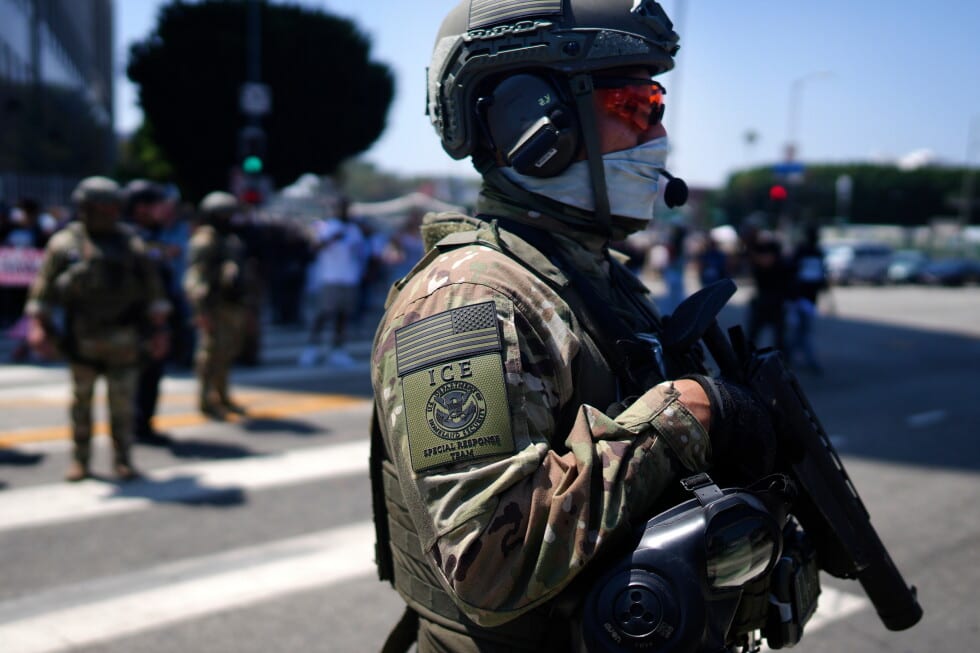
Immigration and Customs Enforcement is preparing to put body cameras on its officers within the next two months, but AP News reports the public will see only the footage the agency decides is in its own "best interests" to release. The policy choice lands ICE in the center of a national fight over how much body camera video should be made public after critical encounters.
The AP News report, published August 7, 2026, signals that while deployment is imminent, routine public access to recordings of shootings, in-custody incidents, or controversial arrests is unlikely. That tension between new technology and limited transparency will shape how civil rights groups, lawmakers, and communities judge the rollout.
Key facts
- Source
- AP News
- Reported
- August 7, 2026
- Desk
- general
- Follow the story
- Spinn Radio Talk
What AP News is reporting about ICE body camera plans
According to AP News, Immigration and Customs Enforcement is moving to equip officers with body cameras on a short timeline, with deployment expected within about two months. For a federal enforcement agency that has operated largely out of public view during arrests and transfers, the move marks a notable shift in how encounters will be documented. The core of the story is not the cameras themselves but who controls the footage. AP News reports that ICE will only release video when officials decide doing so is in the agency's "best interests, " a standard that leaves broad discretion in the hands of ICE leadership. That approach differs sharply from local and state policies in many cities that spell out when body camera recordings must be made public after serious incidents. For readers tracking federal accountability, the key takeaway is that there will soon be more video of ICE operations, but the agency is signaling from the outset that it does not plan to release every recording from every critical incident.
“More cameras will be rolling during ICE encounters, but the agency is making clear it alone will decide which videos see the light of day.”
Why ICE body camera access matters for public oversight
Body cameras have become a central tool in debates over policing and immigration enforcement, often providing the only objective record of split-second decisions. For ICE, which arrests, detains, and transports people in homes, workplaces, and on the street, video evidence can shape public understanding of what actually happened in contested encounters. If footage is released only when it aligns with what ICE sees as its institutional interests, communities, defense attorneys, and watchdogs may face long odds in obtaining video that could challenge the agency's version of events. The AP News reporting makes clear that members of the public should not expect fast or automatic access to recordings after shootings, deaths in custody, or complaints about officer conduct. The practical takeaway is simple and stark: the body cameras may document more, but the gatekeeping around footage risks reinforcing long-standing concerns about how transparent ICE is willing to be about its operations.
“The fight over ICE body cameras is really a fight over who controls the story when something goes wrong.”
Spinn Radio
Follow live news on Spinn Radio
How this ICE policy compares with other body camera rules
While AP News does not catalog other agencies' rules, the basic contours of ICE's stance highlight the range of approaches to body camera transparency across law enforcement. Many big-city police departments now operate under local laws or court orders that require release of video from shootings or deaths in custody within a set window, often with narrow exceptions. By contrast, AP News reports that ICE will release recordings only when it determines doing so serves the agency's interests, without a clear public-facing standard or timetable. That distinction matters because, unlike elected city officials who answer directly to local voters, ICE is a federal agency operating under national policy with layers of internal review. For anyone watching the evolution of federal body camera practices, the important point is that ICE is choosing a discretionary model, not a presumption of release. How often, and in what kinds of cases, it ultimately shares footage will become a key metric for advocates and lawmakers evaluating whether the cameras enhance accountability or simply add another internal record.
What to watch as ICE rolls out body cameras in coming months
With AP News reporting a rollout window of roughly two months, the next phase will be implementation and first use. Observers will be watching where cameras appear first, which types of officers receive them, and what early incidents test the "best interests" release standard. Any high-profile encounter captured on video could become an early bellwether of how tight or flexible ICE's release practices really are. Legal and political reactions are also likely to shape what happens next. Members of Congress, state attorneys general, and civil liberties groups frequently weigh in on ICE conduct, especially after deaths in custody or operations that spark community backlash. The AP News report sets expectations that, at least initially, the agency will guard footage closely, which could drive new calls for clearer federal rules on disclosure. For now, the practical advice for interested listeners and readers is to follow the policy as it moves from paper to practice. Spinn Radio will track how often ICE cites its "best interests" rationale and whether that standard changes under public pressure, shifting leadership, or potential litigation.
“The real test of ICE's body camera promise will come the first time footage could either clear officers or confirm public complaints.”
Where to follow continuing coverage of ICE and body cameras
As ICE prepares to equip officers and refine its internal rules, information is likely to emerge in pieces: agency statements, leaks of internal guidance, and case-by-case decisions after controversial incidents. The AP News story offers an early snapshot, but the broader picture will only come into focus as cameras are actually used in the field. For listeners who want to hear legal experts, former officials, and advocates debate what this policy means in practice, Spinn Radio will keep unpacking developments as they land. You can Follow live news and talk on Spinn Radio for real-time reactions as the first cases test when ICE decides it is in its "best interests" to hit publish on body camera video. The bottom line for now: body cameras at ICE are coming quickly, but meaningful transparency is still a live question that will be answered in the months after the rollout, not on the day the devices arrive.
Good to know
Frequently asked questions
What is ICE changing about body cameras?
ICE is preparing to equip its officers with body cameras within the next two months. AP News reports that the agency will control when, if ever, footage is released.
Will the public see all ICE body camera footage?
No, the public will not see all ICE body camera footage. AP News reports that videos will be released only when the agency decides it is in its own best interests.
Why are ICE body camera rules raising transparency concerns?
The rules are raising concerns because ICE will decide case by case whether releasing footage serves its interests. That leaves critics wary that videos challenging the agency may stay hidden.
How can I follow updates on ICE body camera policies?
You can follow updates by tracking ongoing coverage from outlets like AP News and listening to analysis on Spinn Radio. Our Follow live news and talk on Spinn Radio stream will highlight key developments.
Explore more on Spinn Radio: Follow live news and talk on Spinn Radio
Sources