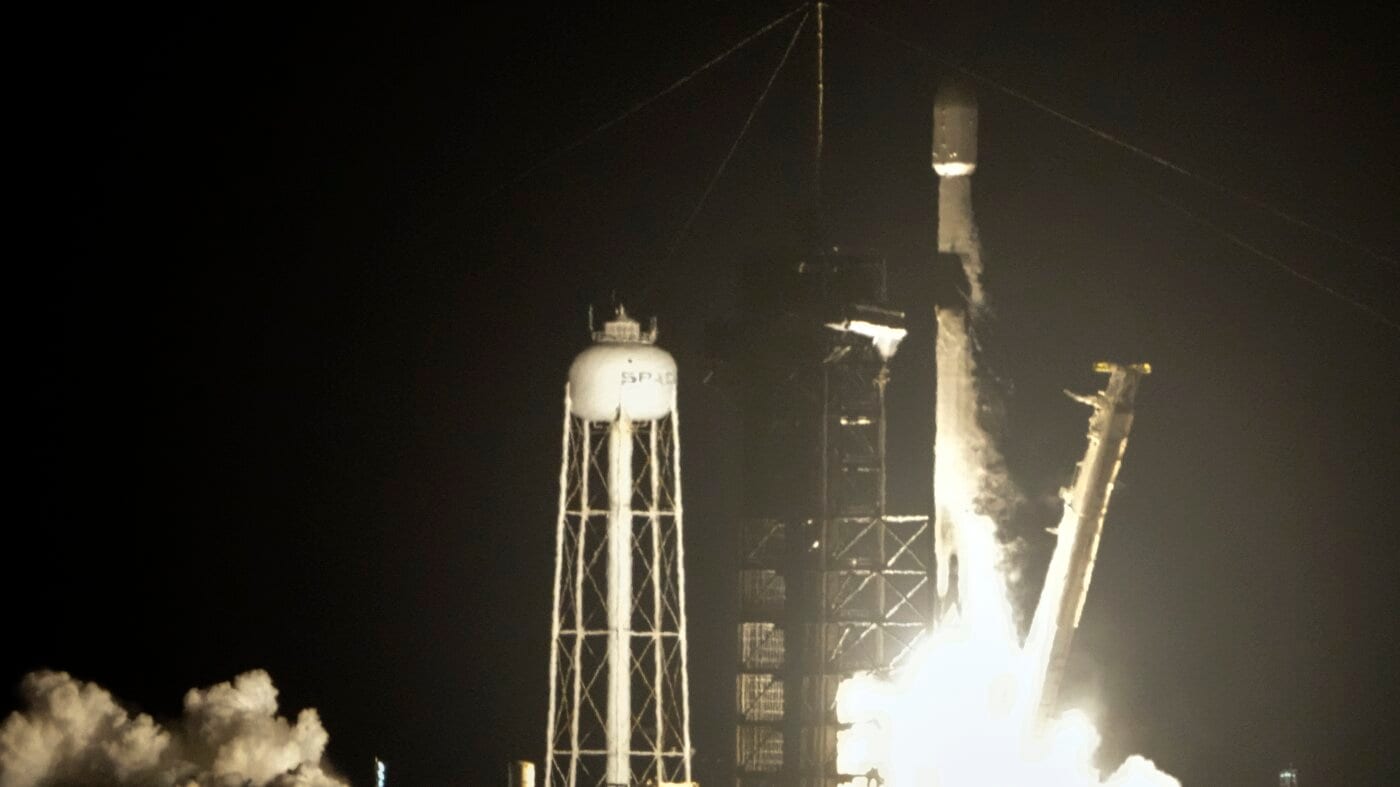
A discarded part of a SpaceX Falcon 9 rocket is hurtling toward the moon and could smash into its surface at more than 5,000 miles per hour, NPR reported on August 2, 2026. Scientists tracking the spent hardware say the impact would mark a striking example of how human-made debris is pushing deeper into space.
The object is described as a defunct rocket component, no longer under control, whose projected collision has quickly become a focal point for astronomers and space agencies watching the growing problem of space junk spread from Earth’s orbit to the wider solar system.
Key facts
- Source
- NPR
- Reported
- August 2, 2026
- Desk
- general
- Follow the story
- Spinn Radio Talk
What NPR is reporting about the Falcon 9 moon impact
According to NPR, scientists have calculated that a dead section of a Falcon 9 rocket is on course to slam into the moon at a speed exceeding 5,000 miles per hour. The hardware is described as defunct, meaning it is no longer active or maneuverable, so its trajectory is effectively locked in unless natural forces nudge it off course.
The key detail from NPR’s reporting is that this is not a controlled mission or a planned lunar touchdown. It is a leftover piece of a commercial rocket, drifting through space until gravity and orbital dynamics guide it into the lunar surface. That difference matters, because space agencies normally script intentional impacts for science; here, researchers are watching an unplanned crash instead.
For anyone tracking the story, the most important takeaway so far is the velocity involved: more than 5,000 miles per hour. At that speed, even a single rocket stage carries enough kinetic energy to carve out a noticeable scar in the lunar regolith and potentially kick up a cloud of dust that instruments might one day study.
“At more than 5,000 miles per hour, a dead rocket stage becomes a geological event waiting to happen.”
Why a dead rocket stage hitting the moon matters
A defunct Falcon 9 part striking the moon is significant because it shows how space junk is no longer just an Earth-orbit problem. For decades, most debris concerns focused on satellites, discarded boosters, and fragments whizzing around in low Earth orbit, where they threaten spacecraft and crewed missions. This case highlights that castoff hardware from launches can migrate farther out and eventually collide with other celestial bodies.
Unlike Earth, the moon has no thick atmosphere to burn up incoming debris. A metal stage that might largely disintegrate during a fiery reentry here will reach the lunar surface intact enough to leave an impact crater. That makes this rocket body, and others like it, long-term residents of the Earth-moon system once they escape Earth’s immediate grasp.
The broader stake is about stewardship. Each unplanned impact is a reminder that human activity is reshaping not only the near-Earth environment but also the space around our natural satellite. The Falcon 9 case underlines how commercial launch activity, which relies on multi-stage rockets, produces hardware that must end up somewhere, even when it is no longer needed for the mission.
“The Falcon 9 booster shows how yesterday’s launch hardware can become tomorrow’s lunar crater.”
Spinn Radio
Follow live news on Spinn Radio
How scientists track a defunct Falcon 9 rocket in deep space
The NPR report notes that scientists have identified and tracked this Falcon 9 remnant closely enough to predict a potential lunar collision. That tracking effort typically involves a mix of ground-based telescopes and orbital calculations that follow the object’s changing path as it loops through the Earth-moon system.
Because the rocket segment is defunct, controllers cannot fire engines or adjust its course. Instead, its fate is determined by gravity and any subtle forces like sunlight pressure. Over time, those influences can pull a spent stage away from its original orbit and into a complex dance that sometimes crosses the moon’s path.
The concrete takeaway is that this impact is not sudden or unforeseen. Astronomers have watched the object long enough to model when and where it might hit. While this dossier does not specify which observatories are involved or the exact point of impact, the very fact that scientists flagged the event early shows that even abandoned hardware is part of a charted traffic pattern in cislunar space.
“Even abandoned rocket stages stay on the books: astronomers watch their slow drift through the Earth-moon neighborhood.”
What a high-speed lunar impact from a rocket stage could do
A Falcon 9 stage colliding with the moon at more than 5,000 miles per hour would release a burst of energy into the lunar surface, likely excavating a fresh crater and lofting a plume of dust. The exact size of the crater depends on the mass of the hardware and the angle of impact, details not included in the NPR report, but the physics is straightforward: higher speed means more dramatic excavation.
Unlike on Earth, the crater and debris pattern on the moon could remain almost unchanged for a very long time, since there is no weather to erase it. That permanence turns every impact, even an accidental one, into part of the moon’s long-term geological record. Future orbiters and landers could eventually spot the new scar and study the exposed subsurface material.
The other effect is symbolic. A visible crater from a commercial rocket body would be a tangible marker of how human technology has started to leave physical traces on the moon again. It is not a scientific experiment by design, but it may still become a point of interest for researchers who study impact processes and the history written on the lunar surface.
“On an airless world, a single accidental impact can write itself into the moon’s landscape for ages.”
What to watch next and where to follow updates
The next phase of the story will come as scientists refine their orbital estimates and, eventually, report whether the impact occurred as predicted. Because the NPR coverage focuses on the projected collision and speed, those follow-up details will likely emerge in later updates from astronomers and space agencies that monitor the Earth-moon system.
For now, the key open questions are straightforward. Observers will want to know the approximate impact location on the lunar surface, whether any spacecraft documented the event, and how the new data might feed into broader discussions about managing space junk beyond Earth orbit. Those answers will shape how policymakers and mission planners think about disposing of upper stages on future missions that venture toward the moon and beyond.
Spinn Radio will continue tracking NPR’s reporting and related developments as scientists learn more about the Falcon 9 object and its final plunge. To stay on top of this and other breaking stories, you can follow live news and talk on Spinn Radio, where the latest updates on space, science, and technology are part of the daily conversation.
“The real story now is what scientists learn from the impact and how it shapes future rules for sending hardware toward the moon.”
Good to know
Frequently asked questions
What is happening with the discarded Falcon 9 rocket stage?
A defunct Falcon 9 rocket component is on track to slam into the moon at more than 5,000 miles per hour, according to scientists cited by NPR. It is an uncontrolled piece of space hardware whose orbit has evolved to intersect the lunar surface.
Why does a dead rocket part hitting the moon matter?
The impact matters because it shows how space junk now extends beyond Earth orbit and can leave permanent marks on the moon. It highlights the need to think about where discarded rocket stages ultimately end up.
How fast will the rocket stage be moving when it hits?
Scientists expect the Falcon 9 segment to strike the moon at over 5,000 miles per hour. That high speed means the collision will have enough energy to create a noticeable crater and dust plume.
Where can I follow updates on the lunar impact story?
You can follow updates on this developing story through NPR’s coverage and on Spinn Radio’s news programming. For continuous discussion and live segments, listen via Spinn Radio Talk.
Explore more on Spinn Radio: Follow live news and talk on Spinn Radio
Sources