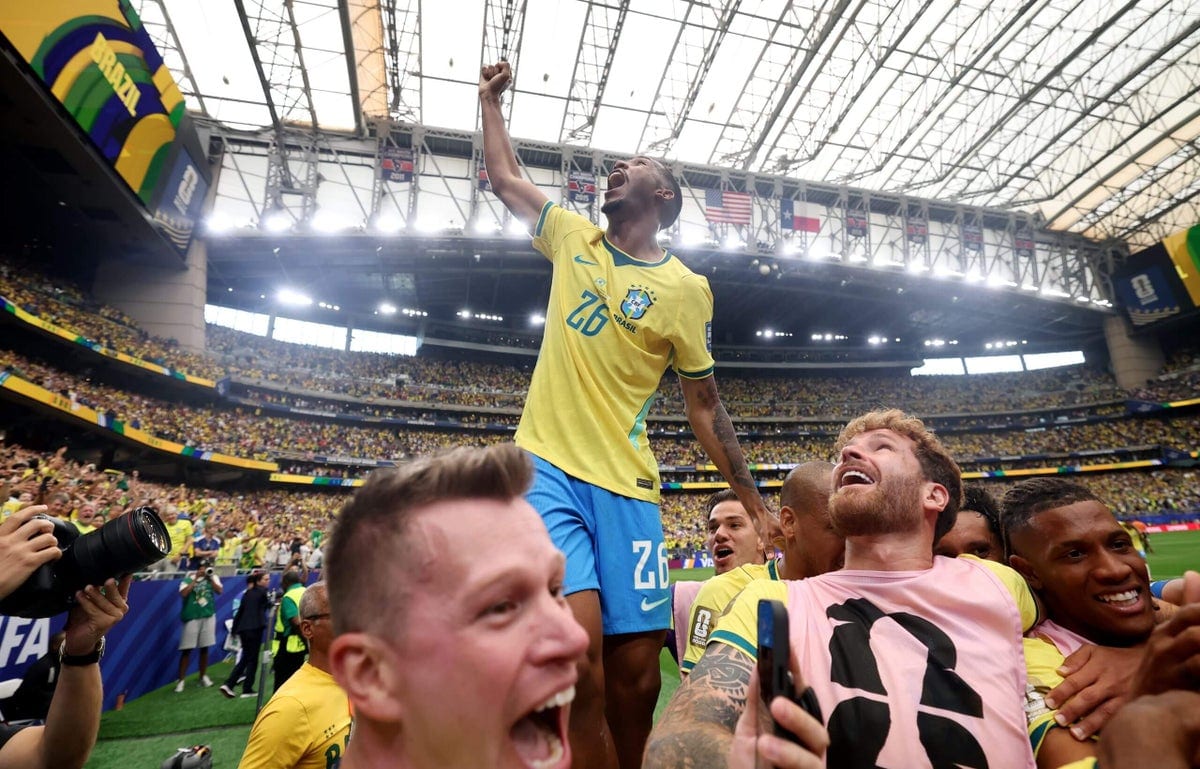
Brazil’s last‑gasp winner against Japan in a last‑32 tie in Houston, reported by The New York Times, has swung the spotlight onto Carlo Ancelotti and how he salvaged a knockout game that was slipping away. The result keeps Brazil alive while leaving Japan devastated after coming within moments of forcing extra time.
With a place in the last 16 on the line, this was not just about late drama but about adjustments over 90 minutes. Ancelotti’s in‑game tweaks, and Brazil’s response under pressure, turned a cagey contest into a statement that this team can survive tight elimination football.
Key facts
- Source
- The New York Times
- Reported
- June 29, 2026
- Desk
- general
- Follow the story
- Spinn Radio Talk
Why this Brazil vs Japan last‑32 tie mattered so much
This was a last‑32 knockout tie in Houston, which means there was no margin for error for either Brazil or Japan. Win, and you move into the last 16. Lose, and the tournament is over. That context made every tactical change and missed chance feel heavier, particularly as the clock ticked towards stoppage time.
Japan came into the game with a reputation for upsetting bigger sides in high‑stakes matches, and for long spells they looked capable of dragging Brazil into extra time. For Brazil, the pressure came not just from the scoreline but from expectation. A powerhouse facing early elimination in the knockout rounds always carries a sense of crisis, and that shadow hung over Ancelotti’s team as the minutes slipped away without a breakthrough.
The late winner did more than settle a single tie. It reset the mood around Brazil’s campaign, which could easily have tilted into post‑mortem mode had the game gone the other way. Instead, the story is now about resilience, late precision, and a coach who found a way to keep his team on the right side of the fine margins that define knockout football.
“The story flipped in stoppage time, from a looming inquest to a reminder that Brazil still knows how to survive knockout pressure.”
How Carlo Ancelotti turned a drifting game in Brazil’s favor
According to The New York Times report, the key talking points from Houston center on the way Carlo Ancelotti reshaped a tie that threatened to drift away from Brazil. The Italian is known for reading games calmly from the touchline, and this knockout showed why that matters. As Japan clogged passing lanes and slowed the tempo, Brazil needed more than raw talent. They needed a different approach over the course of the 90 minutes.
Ancelotti’s influence in these situations usually comes from adjusting where his most dangerous players receive the ball and how his midfield connects lines. In a last‑32 game where a single mistake can end your tournament, his priority was clearly to keep Brazil balanced while still searching for the decisive moment. The eventual last‑gasp winner was not a bolt from the blue. It was the payoff from a coach who is comfortable trusting a structured plan deep into stoppage time, rather than chasing chaos too early.
The major talking points highlighted by The New York Times focus on this shift: Brazil grew more assertive as the game wore on, rather than more anxious. For a squad carrying enormous expectation, that temperament is part of Ancelotti’s imprint. The margin was a single late goal, but the broader takeaway is his ability to guide a heavyweight team through a tight knockout tie without panicking.
“The winner felt dramatic, but the real twist was how calm Brazil became as the pressure rose.”
Spinn Radio
Follow live news on Spinn Radio
Japan’s heartbreak and what they proved in Houston
The headline from The New York Times made clear just how cruel this finish was for Japan. To concede a last‑gasp winner in a knockout tie, after holding a heavyweight like Brazil at bay for almost the entire match, is the kind of moment that lingers for players and supporters alike. It turned what could have been a famous result into a brutal exit.
Yet the performance itself will be remembered as another example of how far Japan have come on the big stage. Pushing Brazil to the brink of extra time in a last‑32 elimination game shows tactical discipline, defensive organization and belief. They were not passengers in Houston, they were co‑authors of a tense contest that brought out the best in Brazil only when Brazil were truly threatened.
For neutral fans, that balance is part of why this tie stood out among the last‑32 fixtures. Japan did not simply sit deep and hope for penalties. They forced Brazil into problem‑solving mode and exposed the thin line between control and collapse in knockout football. The heartbreak came in stoppage time, but the performance across the tie will shape how future opponents prepare for them.
“Japan walked off stunned in Houston, but they left a clear message: they belong in games of this magnitude.”
What this late winner tells us about Brazil’s knockout mentality
A stoppage‑time victory in a last‑32 tie does not guarantee anything in the rounds to come, but it does reveal something about Brazil’s mentality under Carlo Ancelotti. This was not an early‑group stroll. It was an elimination match in Houston, reported on June 29, 2026, where patience, nerve and faith in a plan counted as much as flair.
The takeaway is that Brazil can still win tight, tactical contests when the stakes are immediate. Instead of folding into frustration as chances came and went, they kept shape and waited for the decisive opening. For supporters, that combination of structure and late punch is encouraging. It suggests that if future knockout ties follow a similar pattern, this team will stay composed rather than chasing the game too early.
It also reframes the narrative around Ancelotti’s Brazil from pure entertainment to pragmatic survival. In this case, survival arrived via a single, dramatic moment at the end of normal time, but it was built on 90 minutes of control and adjustment. For opponents watching on, the message is clear: taking Brazil deep into a game does not necessarily blunt them. It may just bring out their patience and nerve.
“This was not a showreel win for Brazil. It was a stress test they passed in the final minutes.”
Where to follow the next twists in Brazil’s campaign
With Brazil through to the last 16 after that dramatic finish against Japan, attention now turns to how Ancelotti approaches the next knockout hurdle. The New York Times has flagged this tie as a key early turning point, and it is likely to be a reference point as Brazil face stronger opposition deeper in the bracket.
For fans who want to track how this result shapes the wider tournament picture, Spinn Radio will keep following Brazil’s progress, the fallout for Japan, and the tactical themes that defined this last‑32 clash in Houston. You can Follow live news and talk on Spinn Radio for ongoing reaction, tactical breakdowns and the latest updates as the knockout rounds roll on.
The late winner in Houston will not be the final dramatic moment of this tournament, but it has set a tone. Brazil have shown they can escape a tight corner. The question now is whether they can turn that escape act into sustained control across the rest of the knockout phase.
Good to know
Frequently asked questions
What happened in the Brazil vs Japan knockout match in Houston?
Brazil defeated Japan with a last‑gasp winner in a last‑32 knockout tie in Houston, as reported by The New York Times. The late goal broke Japanese resistance and sent Brazil into the last 16.
Why is Carlo Ancelotti being credited for Brazil’s turnaround?
Carlo Ancelotti is being credited because his in‑game adjustments helped Brazil steady a drifting contest and find a late winner. His calm approach under knockout pressure shaped how Brazil handled the tense final stages.
Why is Japan’s exit being described as heartbreak?
Japan’s exit is described as heartbreak because they conceded the decisive goal right at the end of normal time after pushing Brazil to the brink. They were moments away from extra time in a tight last‑32 tie in Houston.
What is at stake for Brazil after this last‑gasp win?
The win keeps Brazil alive in the tournament and moves them into the last 16. It also raises expectations that Carlo Ancelotti’s side can handle similar knockout pressure in upcoming rounds.
Explore more on Spinn Radio: Follow live news and talk on Spinn Radio
Sources