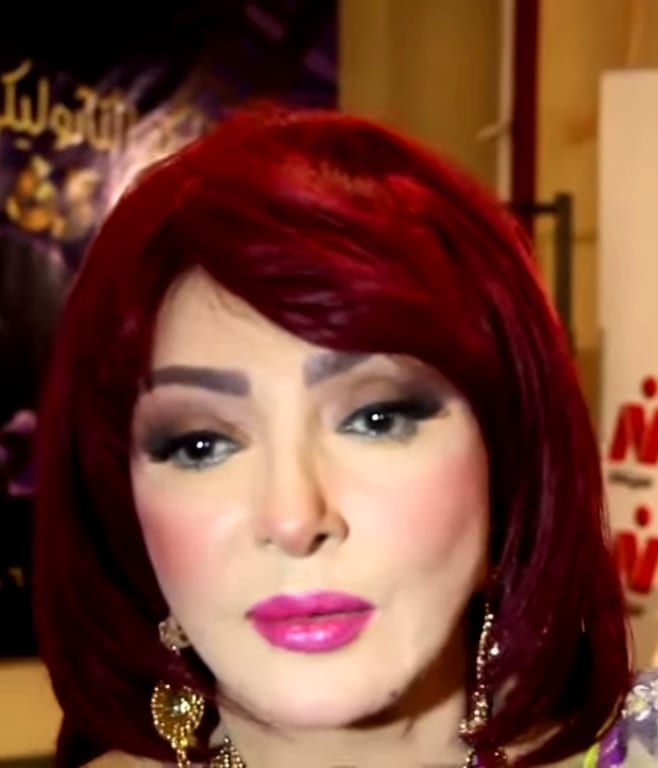
Nabila Ebeid is the kind of name that still stops a TV remote in its tracks. Even now, her films and series continue to circulate on regional channels and digital platforms, pulling in new viewers who want to see why she is still called Egypt’s “First Lady of Cinema.”
Her career traces the arc of Egyptian popular culture from the 1970s into the 2000s, a period when the country’s film industry fed the entire Arab region. To understand how Egyptian cinema turned its leading women into icons, you eventually arrive at Nabila Ebeid’s face on a movie poster or a family crowding around one of her old dramas on a weeknight broadcast.
Key facts
- Editorial brief
- A biographical and career-spanning profile of Egyptian actress Nabila Ebeid, exploring her rise in Egyptian cinema, her most important films and TV roles, collaborations with major directors, recurring themes in her work, and her lasting impact on Arab popular culture. Include background on her early life and entry into acting, key milestones through the 1970s, 2000s, awards and recognition, and how her films are remembered and accessed today across TV, streaming, and regional film culture. Position her within the wider history of Egyptian film alongside contemporaries, and highlight why she’s often referred to as a screen icon in the Arab world.
- Where to listen
- Spinn Radio
How Nabila Ebeid entered Egyptian cinema and found her lane
Nabila Ebeid’s story begins like many classic Egyptian film tales: a young woman drawn to the screen at a time when Cairo was the region’s cultural capital. She entered acting as Egyptian cinema was modernising in the 1970s, a decade that saw new social subjects and bolder female characters emerge. That timing mattered. It gave her space to grow from promising presence to bankable star in an industry that still revolved around big theatrical releases and holiday TV slots.
What set Ebeid apart early on was her commitment to leading roles in mainstream productions rather than disappearing into side characters. She leaned into drama and melodrama, forms that Egyptian audiences knew and loved, and built a career on stories that revolved around women’s choices and compromises. As the years moved into the 1980s and 1990s, her name became shorthand for a certain kind of big, emotionally driven Egyptian film that could hold a cinema crowd on opening night and live on later in endless reruns.
Today, that trajectory is part of why people still search for Nabila Ebeid when they explore classic Arab cinema. Her work helps map how the Egyptian industry shifted from old studio glamour into more modern, socially aware storytelling, while keeping its love of star power intact.
“Her career is one of the clearest bridges between old-school studio glamour and more modern, socially aware Egyptian storytelling.”
What defines Nabila Ebeid’s screen presence and roles
Ask fans what they remember about Nabila Ebeid and they tend to talk first about presence. She carries the kind of intensity that suits Egyptian melodrama: expressive close-ups, physical commitment to emotional scenes, and a willingness to sit with moral ambiguity. Even in television work, where stories unfold slowly across many episodes, she projects the focus of a film lead, anchoring ensembles rather than blending into them.
Recurring themes run through her career. Ebeid often plays women under pressure, navigating family expectations, social class, or romantic entanglements that test loyalty and pride. Those roles aligned neatly with the big issues Egyptian filmmakers and TV writers explored from the 1970s to the 2000s: shifting gender roles, economic strain, and the clash between tradition and modern life. Viewers saw their own dilemmas mirrored and amplified in her characters.
That is a major reason her performances travel so well across reruns and streaming today. Even when the styling or settings mark a film as “of its time, ” the emotional conflicts still feel current. For anyone browsing classic Egyptian titles on TV bundles, regional platforms or via Explore artists on Spinn Radio, Nabila Ebeid’s name is a reliable sign that you will get high-stakes drama with a strong woman at the center.
“If you want Egyptian melodrama at full voltage, you look for Nabila Ebeid’s name near the top of the cast list.”
Spinn Radio
Explore artists on Spinn Radio
Key Nabila Ebeid eras from the 1970s to the 2000s
Thinking about Nabila Ebeid in eras helps explain her staying power. Her 1970s breakthrough period coincided with a broader appetite for fresh faces in Egyptian cinema, and she used that opening to establish herself in lead roles rather than waiting on the sidelines. By the 1980s, she was firmly woven into the fabric of commercial releases that travelled across the Arab world, giving her recognition in markets that depended on Egyptian films for their big-screen drama.
The 1990s and early 2000s brought a different challenge: television was rising as a dominant medium, and film stars had to decide whether to cross over. Ebeid embraced the small screen, adding major TV roles to her filmography and finding a second home in serial storytelling. That shift extended her reach into homes that might not go to the cinema regularly but faithfully followed seasonal dramas, especially during peak viewing periods in the Arab calendar.
Across those decades, awards and critical recognition followed, cementing her status as a screen icon rather than a passing star. The specifics vary from festival to festival, but the broader point holds. By the time newer generations of actors arrived, they were entering an industry where Nabila Ebeid was already part of the canon, mentioned alongside other major Egyptian names whenever people talked about the greats.
Nabila Ebeid’s influence and place in Egyptian film history
To understand why Nabila Ebeid is often called Egypt’s “First Lady of Cinema, ” you have to look beyond box office tallies or single roles. The title reflects a combination of longevity, visibility, and cultural imprint. For several decades she was one of the faces through which the Arab world experienced Egyptian narratives about love, betrayal, ambition, and family. That kind of reach shapes taste and memory on a regional scale.
Her contemporaries and collaborators formed a constellation that defined an era, and Ebeid occupied its center as a recurring lead. Directors trusted her with complex roles, producers knew her name could draw audiences, and viewers formed the habits that still matter today, like stopping on an old film because they recognise her on screen. Within the wider history of Egyptian film, she stands as one of the pillars of commercial yet emotionally dense storytelling, bridging earlier golden-age stars and the post-2000 generation.
Her influence is visible in how later actresses frame their own careers. Many cite the importance of taking on morally complicated women, something Ebeid normalised over years of work. When film scholars and fans map out the evolution of Arab popular culture, they often trace a line through her most memorable performances to show how big-screen heroines shifted from pure victims or idealised figures to fully conflicted people.
“The title “First Lady of Cinema” is less a nickname and more a shorthand for how deeply she is woven into Arab screen memory.”
Where to watch Nabila Ebeid today and why she still matters
One sign of true legacy is how often your work resurfaces. Nabila Ebeid’s films and series continue to appear on satellite TV schedules, DVD libraries, and regional streaming menus, which keeps her in circulation for new viewers who never saw her prime theatrical runs. For many, the first encounter with her work is not in a cinema at all. It is a late-night broadcast or a recommendation while browsing through classic Arab titles.
That accessibility is part of what keeps searches for nabila ebeid active and rising. Viewers watch one performance, then go looking for more to see how her roles change across decades. Her career becomes a gateway into Egyptian cinema as a whole, encouraging people to explore other stars, directors, and eras through platforms like More stories on the Spinn Radio blog and regional services that foreground Arab film history.
For anyone tuning in from outside the region, starting with Nabila Ebeid is an efficient way to feel the pulse of Egyptian popular storytelling from the 1970s to the 2000s. You get star-led drama, social themes, and the kind of unforgettable performances that explain why one actor can carry a title as big as “First Lady of Cinema” and still live up to it.
Good to know
Frequently asked questions
Who is Nabila Ebeid and why is she called Egypt’s First Lady of Cinema?
Nabila Ebeid is a celebrated Egyptian actress widely known as Egypt’s “First Lady of Cinema” because of her long-running impact on film and television across the Arab world. Her leading roles from the 1970s through the 2000s helped define what mainstream Egyptian drama looked and felt like for regional audiences.
What is Nabila Ebeid best known for in Egyptian cinema?
Nabila Ebeid is best known for powerful leading roles in Egyptian films and TV dramas that center on emotionally intense, complex women. Her name signals high-stakes melodrama and star-driven storytelling that resonated from cinema screens to home TV reruns.
How did Nabila Ebeid start her acting career?
Nabila Ebeid began her acting career in Egyptian cinema during the 1970s, a period of modernisation and new social themes in the industry. Entering at that moment allowed her to move quickly into lead roles and build a reputation across the Arab region.
What years were most important in Nabila Ebeid’s career?
The most important years in Nabila Ebeid’s career stretch from the 1970s through the 2000s, when she transitioned from a rising film actress to a regional screen icon. That span covers her breakthroughs in cinema and her influential move into television drama.
Where can I watch Nabila Ebeid movies and TV shows now?
You can watch Nabila Ebeid’s movies and TV shows today through regional TV broadcasts, physical media collections, and digital platforms that feature classic Arab titles. Her work also appears in curated discovery spaces like Spinn Radio, which highlight icons of Egyptian and Arab popular culture.
Explore more on Spinn Radio: Explore artists on Spinn Radio · More stories on the Spinn Radio blog
Sources