Jim Corr, guitarist, songwriter and quiet architect behind The Corrs’ sound, is the reason those radio staples from the 1990s still feel so precisely built. His sisters fronted the videos and magazine covers, but the band’s polished blend of pop rock and Celtic melancholy runs straight through his guitars, keys and arrangements.
If you are returning to albums like "Forgiven, Not Forgotten, " "Talk on Corners" or "In Blue" on Spinn Radio right now, you are really hearing Corr’s handiwork: the chord choices that tug a melody sideways, the subtle keyboard layers, the way fiddle and whistle sit cleanly inside a pop mix. This is the Corr you hear before you even realize you are listening for him.
Key facts
- Editorial brief
- Plan an in-depth profile of Jim Corr, best known as the guitarist, keyboardist and founding member of Irish band The Corrs. Open with his role as the musical backbone and arranger of the group compared with his more visible sisters. Provide a concise biography: early life in Dundalk, family’s musical roots, formation of The Corrs in the 1990s, and their rise with albums like "Forgiven, Not Forgotten, " "Talk on Corners" and "In Blue." Detail his musicianship: guitar style, instrumentation, songwriting credits, studio work, and how he shaped the band’s blend of pop, rock and Celtic influences. Include key career milestones such as major tours, MTV Unplugged, and chart success. Touch on his low
- Where to listen
- Spinn Radio
How Jim Corr became the musical backbone of The Corrs
Jim Corr grew up in Dundalk in a family where music was not extracurricular, it was the fabric of daily life. Those early years set up the dynamic that later defined The Corrs: three sisters out front, one brother at the back, making sure the songs held together. When the band formed in the 1990s, he was not just another guitarist, he was the founding member who understood how to turn a pub-honed family repertoire into records that could sit on a global pop playlist.
That role is clearest when you follow the band’s rise from their debut "Forgiven, Not Forgotten" through the breakout "Talk on Corners" and on to "In Blue." Across those albums you can hear Corr acting as arranger-in-chief, shaping the way traditional Celtic flourishes sit inside modern pop-rock structures. The sisters brought melodies, presence and that unmistakable family blend of voices. Corr concentrated on architecture: which guitar texture against which drum feel, when to let the whistle cut through, when to keep it in the background.
So while the spotlight usually landed on the front of the stage, the musical decisions often started at the backline. For listeners, the key takeaway is simple: if you love the way a Corrs song is put together, you are already a fan of Jim Corr’s instincts.
“If you love the way a Corrs song is put together, you are already a fan of Jim Corr’s instincts.”
Inside Jim Corr’s guitar style and studio craft
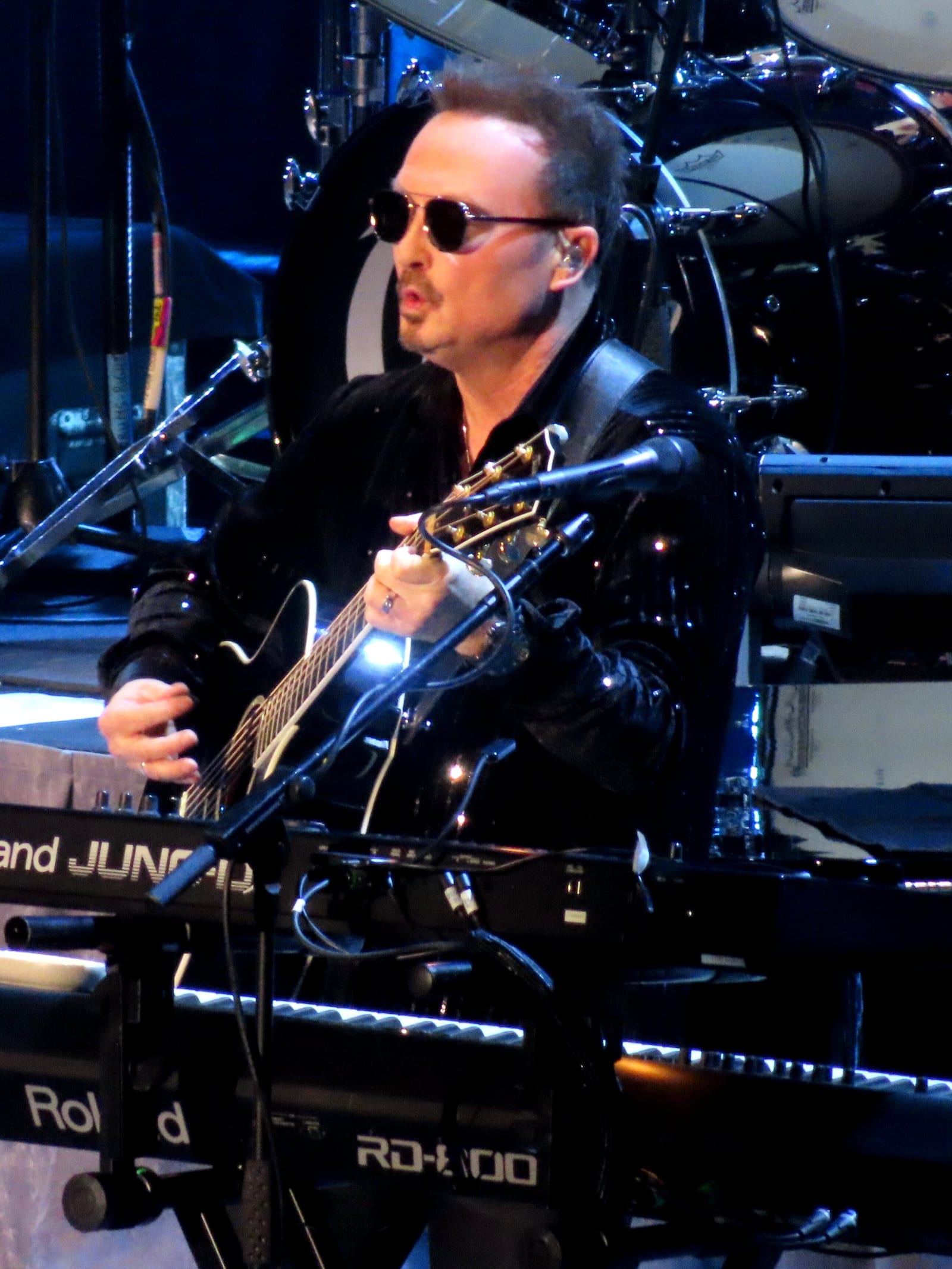
Corr’s guitar work never shouts for attention, which is precisely why it works. He favors parts that serve the song: clean rhythmic figures that lock with the drums, chiming arpeggios that leave space for Andrea Corr’s vocal, and electric lines that echo Celtic fiddle phrases without copying them outright. On a typical track from "Talk on Corners" you can hear him switching roles from bar to bar, moving from percussive acoustic strums to atmospheric electric swells that give the melody somewhere to land.
In the studio, he doubled as keyboardist and arranger, which meant he could think in layers. Guitars were rarely left naked. They were supported by pads and piano figures that thickened choruses and whispered through verses. That studio mindset helped The Corrs create records that felt bigger than a four-piece band, especially on "In Blue, " where the pop production steps up but still leaves room for Celtic color.
For a focused listen, put on a Corrs track on Spinn Radio and pay attention only to the guitars and keys for a verse and chorus. Notice how little flash there is, and how much careful placement. Corr’s craft is in the negative space as much as the notes.
Spinn Radio
Explore artists on Spinn Radio
Signature Corrs songs where Jim Corr’s touch stands out
To understand Jim Corr’s importance, go back to the title track of "Forgiven, Not Forgotten." The song rides a pop-rock framework, but what keeps it from feeling generic are the arrangement choices: the interplay of acoustic guitar with Celtic-inflected lines, the way the band drops the texture down to let a melody breathe, then rebuilds it. Those decisions carry Corr’s fingerprints.
On "Talk on Corners, " the contrast between uptempo pop moments and more reflective songs shows how he could shift the architecture while keeping the band’s identity intact. Even when the production leans catchy and radio-friendly, the underlying guitar voicings and keyboard parts hold a subtle Irish lilt. Corr helps the band thread a line where a global pop audience hears hooks, while fans attuned to Celtic traditions still recognize something of home.
By the time you reach "In Blue, " that balancing act is fully evolved. The album leans confidently into polished pop, yet the characteristic blend of rock drive and Celtic texture remains. Queue a few cuts from each record on Spinn Radio back to back and listen for the continuity in the arrangements. That is Corr providing a steady hand as the band’s sound scales up.
“Queue tracks from "Forgiven, Not Forgotten, " "Talk on Corners" and "In Blue" and you hear one arranger keeping the same musical DNA intact.”
How Jim Corr shaped The Corrs’ pop, rock and Celtic fusion live
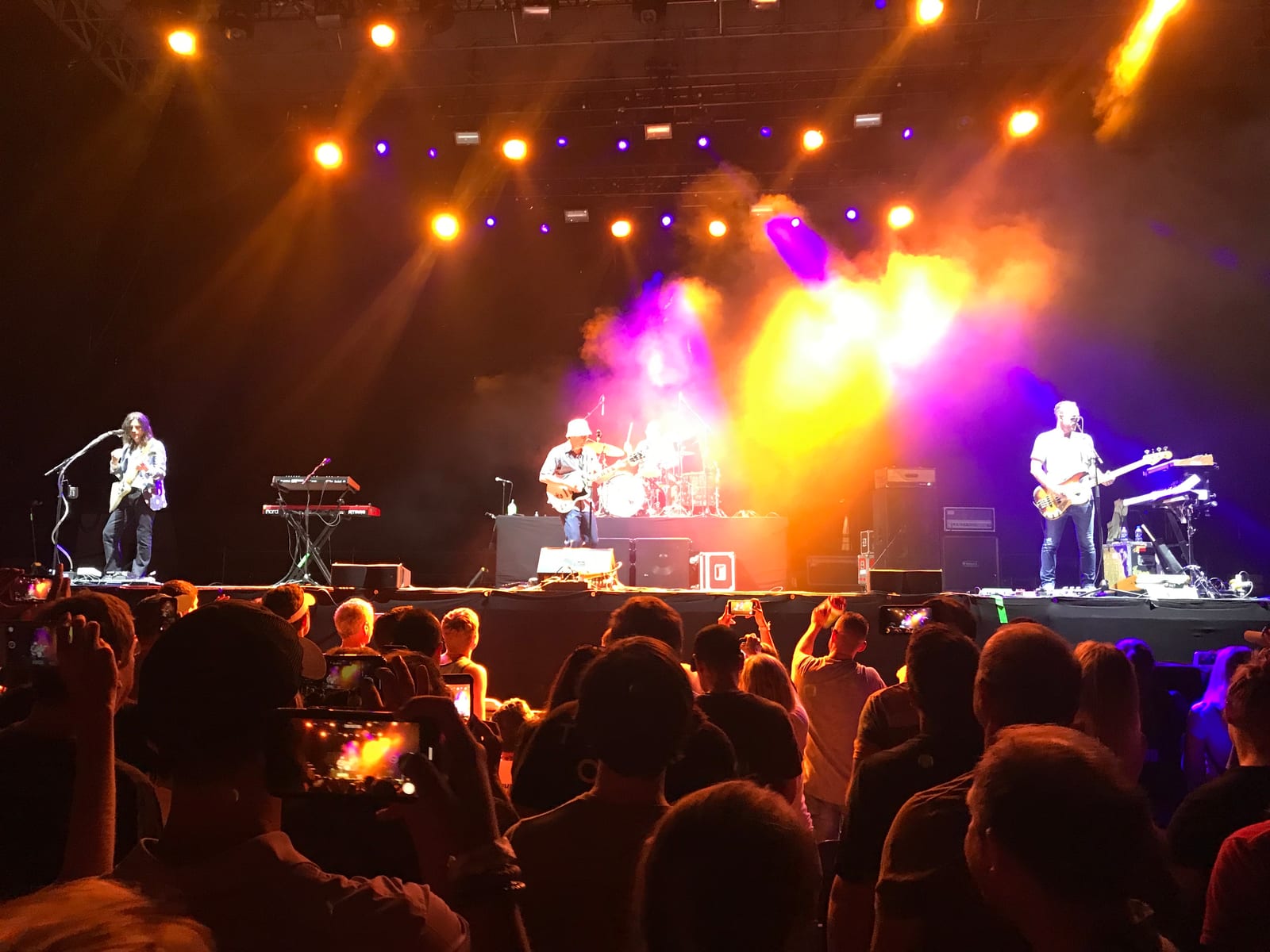
Onstage, Corr’s job was even more demanding. As guitarist and keyboardist he was responsible for stitching together the band’s pop-rock core and their Celtic ornamentation in real time. Major tours required him to translate dense studio arrangements from albums like "Talk on Corners" and "In Blue" into live parts that still felt full without extra players hiding behind the PA.
The band’s MTV Unplugged appearance showed just how central his role was. Stripped of heavy production, the songs leaned on guitar voicings, keyboard colors and tight arrangements. Corr guided those acoustic takes so that the Celtic textures remained vivid, even with fewer tools at hand. You can hear how his choices keep the set from lapsing into generic coffeehouse territory; the tunes retain lift and rhythmic shape.
When you listen back to live-era Corrs recordings on Spinn Radio, focus on the way the guitar, keys and traditional instruments pass ideas between them. Corr is often the bridge, making sure a Celtic line flows naturally into a pop chorus or a rock-leaning middle eight.
Why fans still search for Jim Corr and where to start listening
Even as casual listeners tend to name his sisters first, Jim Corr remains a draw for fans who care about how songs are built. That is one reason "jim corr" keeps showing up in search histories: listeners want to know who supplied the calm, meticulous musicianship inside some of the most enduring Irish pop of the 1990s and early 2000s.
If you are new to The Corrs, start with a straight run through "Forgiven, Not Forgotten, " "Talk on Corners" and "In Blue" on Spinn Radio. Think of them as a trilogy that tracks Corr’s growth as arranger and studio mind, from more obvious Celtic-pop contrasts to a smoother, more unified sound. As you listen, pay attention to how the guitars, keys and Celtic instruments fit together rather than competing for space.
Once you have spent time in that catalog, you can branch out to discover more artists on Explore artists on Spinn Radio, then come back to The Corrs with fresh ears. You will notice how deliberately Corr balanced commercial pop instincts with a very specific Irish musical identity, and why his low-key presence still matters every time those songs spin.
“If you care how songs are built, Jim Corr is the Corr you should be listening for.”
Good to know
Frequently asked questions
Who is Jim Corr: Guitarist, Songwriter and Quiet Architect Behind The Corrs’ Sound?
Jim Corr: Guitarist, Songwriter and Quiet Architect Behind The Corrs’ Sound refers to Jim Corr, the guitarist, keyboardist and founding member of Irish band The Corrs. He is known as the musical backbone and arranger behind their blend of pop, rock and Celtic influences.
What bands is Jim Corr: Guitarist, Songwriter and Quiet Architect Behind The Corrs’ Sound associated with?
Jim Corr: Guitarist, Songwriter and Quiet Architect Behind The Corrs’ Sound is associated with Irish band The Corrs. He helped form the group in the 1990s alongside his sisters.
What albums did Jim Corr: Guitarist, Songwriter and Quiet Architect Behind The Corrs’ Sound help create?
Jim Corr: Guitarist, Songwriter and Quiet Architect Behind The Corrs’ Sound helped shape key Corrs albums including "Forgiven, Not Forgotten, " "Talk on Corners" and "In Blue." His guitar, keyboard work and arrangements are central to their sound across these records.
How did Jim Corr: Guitarist, Songwriter and Quiet Architect Behind The Corrs’ Sound influence The Corrs’ style?
Jim Corr: Guitarist, Songwriter and Quiet Architect Behind The Corrs’ Sound influenced The Corrs’ style by arranging their songs and blending pop, rock and Celtic elements. His guitar and keyboard choices gave their hits a distinctive structure and texture.
Where can I listen to Jim Corr: Guitarist, Songwriter and Quiet Architect Behind The Corrs’ Sound?
You can listen to Jim Corr: Guitarist, Songwriter and Quiet Architect Behind The Corrs’ Sound through The Corrs’ albums on Spinn Radio. Start with "Forgiven, Not Forgotten, " "Talk on Corners" and "In Blue" to hear his work.
Explore more on Spinn Radio: Explore artists on Spinn Radio · More stories on the Spinn Radio blog
Sources