Aug. 12 is shaping up as one of 2026’s standout dates for skywatchers, according to new reporting from Live Science. The outlet says a solar eclipse, the peak of the Perseid meteor shower, Venus at dichotomy and the Milky Way at its annual best are all expected to align on the same day and night.
That rare overlap of headline celestial events turns a single date into a day‑night double bill for everyone from casual stargazers to dedicated astrophotographers, raising expectations for what could be the most talked‑about sky show of the year.
Key facts
- Source
- Live Science
- Reported
- August 1, 2026
- Desk
- general
- Follow the story
- Spinn Radio Music
What Live Science is reporting about Aug. 12
Live Science, in coverage published on August 1, 2026, flags Aug. 12 as a kind of “perfect storm” for skywatching. Instead of one marquee event, the date lines up a solar eclipse, the peak of the Perseid meteor shower, a key moment in Venus’s cycle and the Milky Way’s most photogenic stretch of the year.
Each of those on its own normally dominates observing calendars. Bundled together over about 24 hours, they create a rare chance to experience changing daylight during an eclipse, then step into a night full of shooting stars and a bright river of starlight arcing across the sky. For anyone planning trips, gear upgrades or viewing parties, this is the date Live Science is circling in red.
Spinn Radio will be tracking how fans and artists respond as Aug. 12 approaches and passes, alongside our usual music and culture coverage on Explore music coverage on Spinn Radio.
“Instead of one marquee event, Aug. 12 lines up a whole day of changing light, from eclipse shadows into meteor streaks and a bright Milky Way.”
Why a 2026 solar eclipse is a daytime headliner
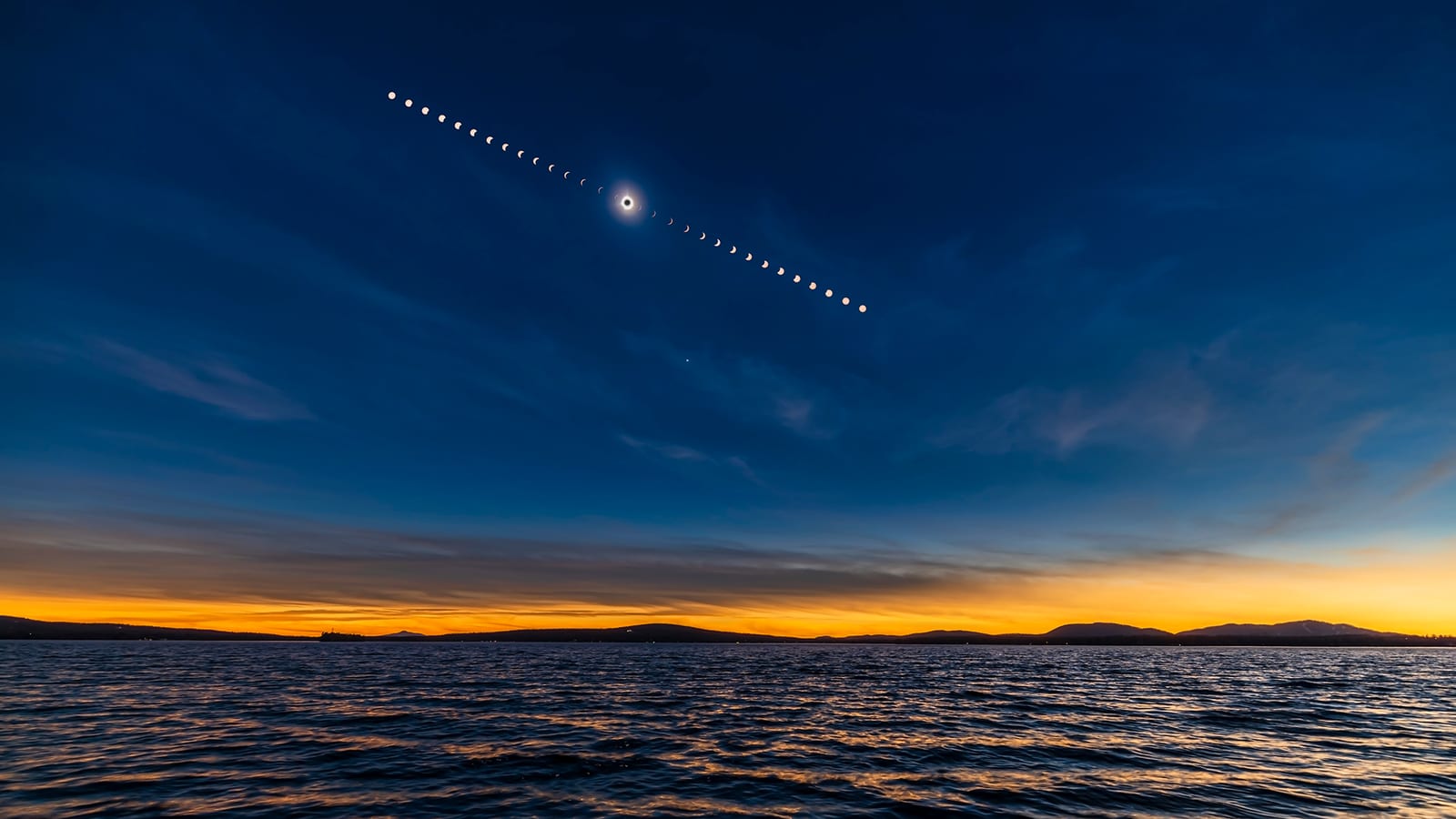
At the center of Live Science’s forecast is a solar eclipse on Aug. 12, which will anchor the daytime portion of the show. Solar eclipses temporarily reshape the light and temperature across wide regions, so even people who never look up for the Perseids are likely to notice this one when daylight shifts.
Live Science highlights the eclipse as part of what makes 2026 exceptional. While the report does not detail the exact path or timing, any solar eclipse instantly becomes a focal point for travel, safety advice and viewing gear like eclipse glasses. Many observers will build their whole Aug. 12 around those crucial minutes when the sun and moon align, then roll their plans straight into night‑time observing once the sun returns.
Spinn Radio
Follow music news on Spinn Radio
Perseid meteor shower peak: what to expect on Aug. 12 night
On the night of Aug. 12, attention turns to the Perseid meteor shower, which Live Science notes will hit its peak the same date as the eclipse. The Perseids are one of the most widely watched annual showers, known for a steady, reliable stream of shooting stars that reward anyone patient enough to lie back in a dark spot for an hour or two.
A peak means the shower is at its most active, and aligning that with an already high‑profile eclipse is what raises this date above a typical observing night in 2026. Even if the exact meteor rates and local conditions are still unknown, the expectation is simple: if skies cooperate, many regions could see a busy, photogenic shower in the hours after the eclipse has passed.
“If skies cooperate, Aug. 12 offers a rare one‑two punch: daytime eclipse drama followed by a classic Perseid meteor peak after dark.”
How Venus at dichotomy and the Milky Way add to the show
Beyond the eclipse and Perseids, Live Science points to two quieter but still significant players: Venus at dichotomy and the Milky Way at its annual best. Venus at dichotomy refers to the point when the planet appears half‑lit, like a first‑quarter moon. For observers with small telescopes or even steady binoculars, that phase makes Venus an especially satisfying target to pick out and sketch or photograph.
At the same time, the Milky Way is described as being at its yearly peak, which is when its densest and brightest regions are best placed in the night sky. That matters for anyone planning wide‑field astrophotography sessions or simply hoping for a naked‑eye view of our galaxy from dark locations. On a normal night, either Venus or the Milky Way would justify a dedicated outing. On Aug. 12, they become supporting players in a crowded, all‑day program.
How skywatchers can plan for this “greatest day and night”
Live Science frames Aug. 12 as one of 2026’s best dates for skywatching, which gives observers time to plan travel, pick viewing spots and coordinate with friends. The basic strategy is clear even with details still emerging: secure a safe location for the solar eclipse in the daytime, then stay near dark, open skies for the night so you can take in the Perseid meteor shower and the Milky Way, with Venus as a bright marker in the twilight or evening sky.
Local weather and light pollution will ultimately decide who gets the best experience, but having multiple major events on the same day reduces the risk that any single clouded‑out moment spoils the whole experience. Even partial views of the eclipse, or gaps between clouds during the Perseid peak, could still deliver memorable scenes. As more information arrives on viewing conditions and community events, Spinn Radio will fold the story into our broader culture and music coverage on Spinn Radio, keeping skywatchers in the loop through 2026.
“Having a solar eclipse, a meteor peak, Venus at dichotomy and a prime Milky Way all on one date turns Aug. 12 into a built‑in skywatching festival.”
Good to know
Frequently asked questions
What is happening in the sky on Aug. 12, 2026?
On Aug. 12, 2026, a solar eclipse, the peak of the Perseid meteor shower, Venus at dichotomy and a prime Milky Way view are expected to coincide. Live Science reports that this alignment makes the date one of the standout skywatching opportunities of the year.
Why is Aug. 12 being called one of the best days for skywatching?
Aug. 12 is being highlighted because several major celestial events line up within the same day and night. Live Science notes that the combination of a solar eclipse, a meteor shower peak, a special phase of Venus and the Milky Way at its best is unusually rich for a single date.
How does the Perseid meteor shower factor into Aug. 12 plans?
The Perseid meteor shower is expected to reach its peak on the night of Aug. 12, 2026. That timing means anyone already out to watch the daytime eclipse can stay put for a potentially active night of shooting stars, according to Live Science.
What should skywatchers do to prepare for the Aug. 12 events?
Skywatchers should plan for safe solar eclipse viewing by day and dark, open skies for the Perseid peak and Milky Way by night. Live Science’s report gives months of advance notice, so observers can sort out travel, gear and viewing spots ahead of 2026.
Explore more on Spinn Radio: Explore music coverage on Spinn Radio
Sources