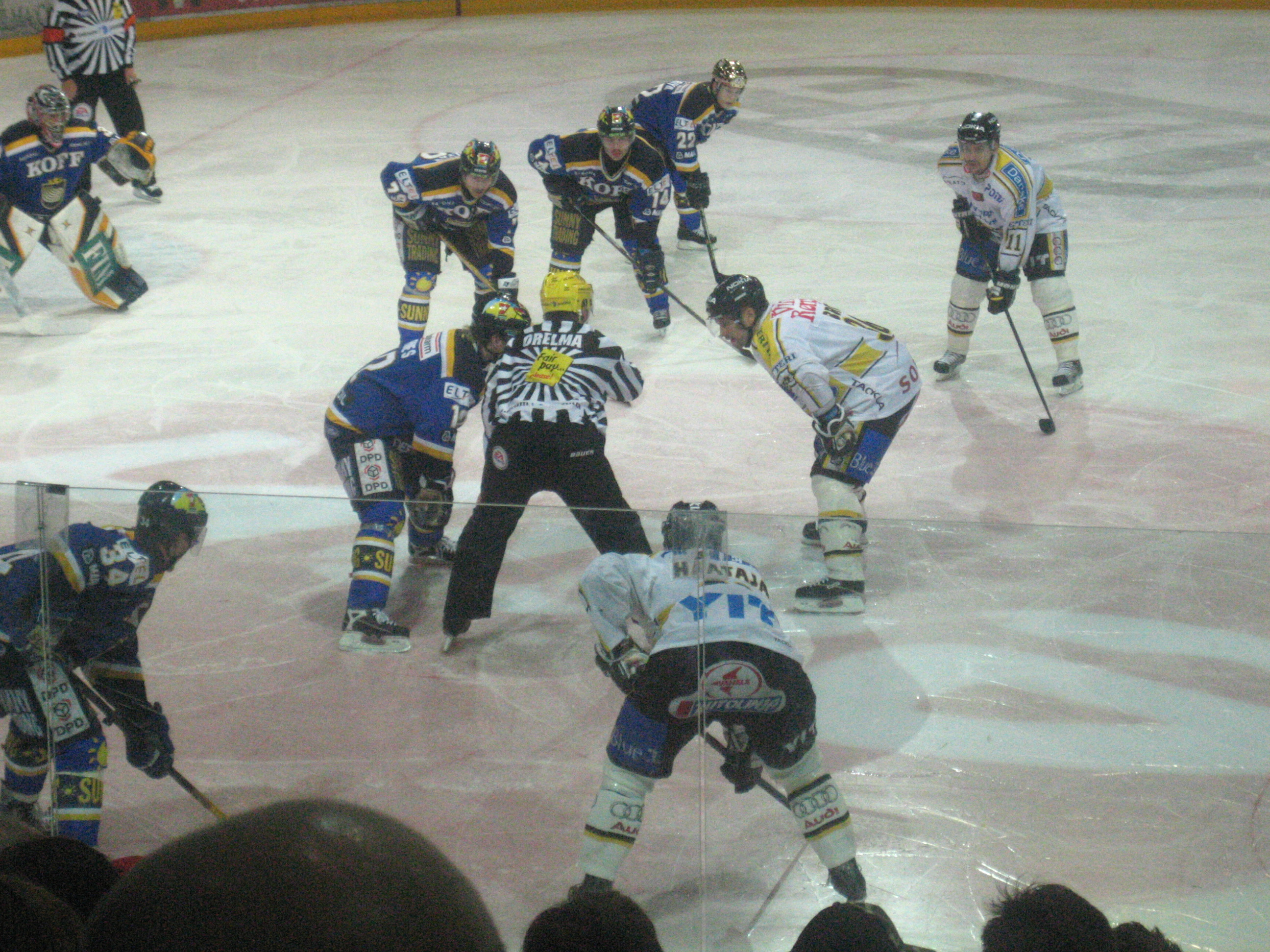
Finland lives and breathes ice hockey, and Liiga is where that obsession gets its sharpest edge. Sixteen professional clubs fight through a long, bruising season for the right to hoist the Kanada-malja, the trophy that crowns the country’s champions.
If you follow European hockey or track the sport’s global talent, Liiga is a league you have to understand. It’s the top rung of Finnish club hockey, the proving ground that sits just above Mestis, and the stage where players, coaches and fanbases write the sport’s next chapter every year.
Key facts
- Sport
- Ice Hockey
- Country
- Finland
What Liiga Is and Why It Matters
Liiga, often called the Finnish Elite League in English, jääkiekon SM-liiga in Finnish and FM-ligan in Swedish, is the pinnacle of professional ice hockey in Finland. It is a national league in the truest sense, with 16 teams spread across the country, each carrying the colours and identity of its city or region onto the ice.
This is not a closed shop. Liiga connects directly to the wider Finnish system through relegation and promotion with Mestis. That link keeps the stakes high not only at the top but near the bottom of the table as well, where survival can be as dramatic as a title chase. Every spring, the league transitions into its playoffs, where the best of the regular season collide in a knockout race for the Kanada-malja, the trophy every Finnish club dreams of lifting.
In a country where ice hockey is a cornerstone sport, Liiga isn’t just another league table to check; it’s the main weekly rhythm of the winter. From early-season optimism to playoff tension, it shapes conversations at workplaces, schools and local rinks across Finland.
“Liiga is where Finland’s hockey obsession condenses into 16 crests, one table and a single trophy: the Kanada-malja.”
A Brief Look at Liiga’s Rise to Elite Status
Liiga grew out of Finland’s push to professionalise and centralise its top-level hockey. Known as SM-liiga in Finnish, it was designed as the elite tier of the sport, picking up the nation’s best clubs and giving them a stronger structure, better competition and a clearer identity as a pro league.
Over time, the league cemented itself as the country’s premier competition and took on the simpler international name Liiga. In Swedish, FM-ligan expresses the same idea: the national championship level of the sport. Through name changes and evolving formats, one core principle has held firm, this is where Finland’s top ice hockey is played.
The league’s champions earn more than just a line in the record books. Winning the Liiga playoffs and being awarded the Kanada-malja is one of the defining achievements in Finnish team sport. Clubs build eras, fanbases remember decades, and players define their careers by those title runs.
“The Kanada-malja isn’t just hardware; it’s the symbol of having conquered the very peak of Finnish club hockey.”
Spinn Radio
Explore Liiga on Spinn Radio
The Structure: 16 Teams, One Champion
Liiga’s 16 teams create one of the most competitive calendars in European club hockey. Every side plays a heavy slate of regular-season games, facing opponents from all corners of Finland. That breadth of competition means clubs must master long travel, changing styles and the grind of back-to-back nights on the ice.
The connection to Mestis adds an edge. A poor season doesn’t just mean disappointment; it can expose a team to relegation pressure, while ambitious Mestis clubs keep one eye on promotion. That dynamic keeps games meaningful deep into the schedule, especially for mid-table teams fighting to stay clear of danger or to lock in a playoff place.
Once the regular season ends, the picture sharpens. The top teams advance into the Liiga playoffs, where series intensity spikes and the margin for error shrinks. After weeks of attrition, one side survives to claim the Kanada-malja, turning a long winter’s work into a single defining celebration.
“From autumn to spring, every shift in Liiga is played under the shadow of promotion, relegation and the chase for the playoffs.”
The Present Day: Style, Atmosphere and Identity
Modern Liiga hockey blends Finnish defensive discipline with speed and structure. Teams invest heavily in systems play, special teams and goaltending, making every power play and penalty kill a crucial tactical battle. The league has become a shop window for players who can think the game quickly, adapt to tight spaces and excel in a team-first environment.
Each Liiga club brings its own culture and game-night feel, shaped by local fans and decades of rivalries. While specific arenas and nicknames differ from city to city, what unites them is intensity: packed stands, drums, chants and a deeply informed fanbase that knows every line combination and coaching tweak. For visiting teams, those buildings are some of the toughest stops on the schedule.
For players, coaches and scouts, Liiga is a place to refine an identity. A strong season in Finland’s top league can launch a career to bigger stages; a clever tactical wrinkle can catch on and spread. It’s a league that constantly evolves without losing its core: fast, organised, fiercely contested hockey.
“Liiga feels local in every arena but plays at a standard that resonates across the wider hockey world.”
What to Watch for This and Every Season
If you’re new to Liiga, start with the race for the Kanada-malja. Track how the 16-team table shifts as winter wears on, which clubs surge, which slump, and who sneaks into the playoff spots. The tension around the cutoff line is often as compelling as the scrap for first place.
Keep an eye on the bottom of the standings too. Because of the promotion and relegation link with Mestis, games between lower-ranked Liiga teams are rarely dead rubbers, they can shape the composition of the league for years to come. Those matchups carry a different kind of pressure, one rooted in the fear of losing top-tier status.
Finally, follow how clubs handle back-to-backs, injuries and tactical adjustments. Coaching decisions, special-teams efficiency and youth breakthroughs often decide which team still has legs when the playoffs arrive. By the time the Kanada-malja is handed over, you’ll have watched a full narrative arc unfold, from opening faceoff to the final horn of Finland’s most demanding hockey stage.
“To understand Liiga is to follow the whole arc: survival at the bottom, surges at the top and the springtime race to the Kanada-malja.”
Frequently asked
What is Liiga?+
Liiga is the top professional ice hockey league in Finland, featuring 16 teams competing for the national championship.
How many teams play in Liiga?+
Liiga comprises 16 professional ice hockey teams from across Finland.
What trophy does the Liiga champion win?+
The winner of the Liiga playoffs is awarded the Kanada-malja, Finland’s top club hockey trophy.
Is there promotion and relegation in Liiga?+
Yes. Liiga has promotion and relegation between itself and Mestis, the league directly below it.
What are the different names for Liiga?+
In English it’s often called the Finnish Elite League, in Finnish jääkiekon SM-liiga, and in Swedish FM-ligan.
Sources

