New images from the Kennedy Center obtained by CNN appear to confirm that President Donald Trump’s name has been removed from signage now hidden behind a construction tarp at the Washington arts complex. The photos match a sworn court declaration from executive director Matt Floca that the name was taken down, turning a behind-the-scenes facilities decision into a live legal and political flashpoint.
Published Tuesday by CNN, the images give the clearest visual evidence so far of what changed at the center and why it matters in an ongoing court fight over how the institution handles Trump’s legacy on its walls.
Key facts
- Source
- CNN
- Reported
- June 23, 2026
- Desk
- general
- Follow the story
- Spinn Radio Movies
What CNN’s new Kennedy Center images actually show
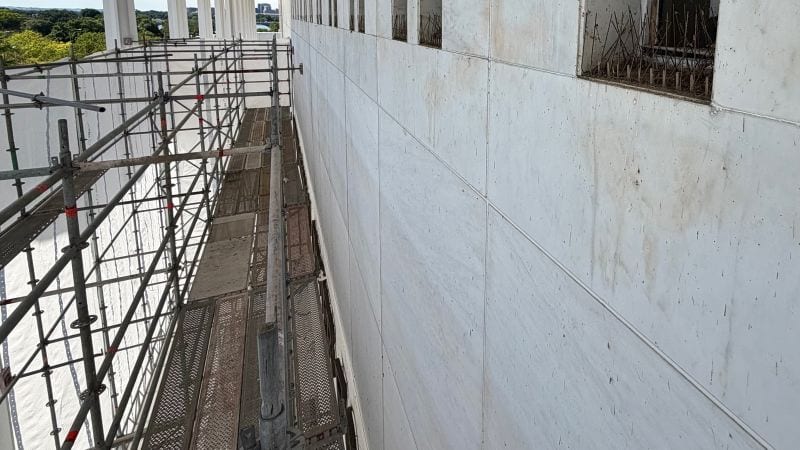
According to CNN, the newly surfaced images capture Kennedy Center signage with President Donald Trump’s name removed, exactly as described in a sworn court filing by executive director Matt Floca. The signs sit behind a tarp at the complex, shielding them from public view while legal and public relations questions play out around the decision.
The key detail is not simply that something changed, but that the visual evidence now aligns with what Floca told the court under oath. For anyone following the dispute over how cultural institutions handle Trump-era naming, the images function as corroboration that the Kennedy Center has, at least for now, physically stripped his name from that stretch of its signage.
This is the first time the public has been able to see what is actually behind the covering, even indirectly, since the tarp went up. The confirmation that the name is gone, rather than merely obscured, is likely to shape how lawyers, donors and political actors frame their next moves.
“The images matter because they match the sworn story: the Trump name is no longer on the sign behind the tarp.”
Why the Kennedy Center’s Trump signage became a legal flashpoint
The Kennedy Center’s decision over Trump’s name did not emerge in a vacuum. Executive director Matt Floca laid out the change in a sworn declaration, a step that signals this is part of a formal court dispute rather than a quiet facilities update. Until CNN obtained the images, that declaration stood on its own. Now there is photographic backing for his description of the removal.
At stake is how a prominent national arts center manages the legacy of a polarizing former president whose name has been attached to buildings, programs and signage across the country. Any move to remove or alter that name can trigger challenges from political allies, donors or advocacy groups, which is why a sworn filing and corroborating photos carry extra weight. They show that the center did not just cover signage with a tarp as a temporary measure, it actively took the name off before shielding the change from view.
The legal process that prompted Floca’s declaration is still playing out, and the CNN reporting helps define the factual baseline for whatever comes next. The basic fact is simple and now visually documented: behind that tarp, the Trump name no longer appears.
Spinn Radio
Follow film news on Spinn Radio
What the tarp and hidden signs tell us about cultural institutions and Trump
The covered signage at the Kennedy Center has become a symbol of how cultural institutions are navigating Trump’s public image. Instead of unveiling new branding or staging a public renaming ceremony, the center removed his name, then left the altered signs concealed behind a tarp. The CNN images lift the edge of that secrecy, confirming the absence of the name but also underscoring how cautiously the institution is moving.
That caution reflects the competing pressures surrounding Trump-era naming. Leaving the signs untouched could be read as an endorsement, while a high-profile removal risks backlash. Concealing the modified signs suggests the center is trying to keep a low profile while the courts and stakeholders react. The fact that journalists had to obtain and publish images to clarify what changed shows how fraught even basic wayfinding signage has become when it intersects with Trump’s brand.
For viewers who care about how arts organizations respond to political legacies, the Kennedy Center has effectively become a case study. The central takeaway: one of the United States’ marquee arts venues has pulled Trump’s name off at least one piece of signage, then hidden that decision behind construction material until legal questions are settled.
“Behind the tarp, the Kennedy Center has already chosen: the Trump name is off the sign, even if the public still cannot see it on site.”
Who Matt Floca is and why his court declaration matters
Matt Floca, the Kennedy Center’s executive director, is the central named figure in this dispute because his sworn declaration anchors the legal record. In that filing, he described the removal of Trump’s name from the signage now hidden by the tarp. CNN’s new images function as a visual check on his account and, at least on this point, back up what he told the court.
Executive directors sit at the intersection of artistic mission, donor relations and legal responsibility. When someone in that role signs a sworn declaration about something as politically charged as Trump’s name on the building, it signals that the institution views the issue as serious enough to be handled with formal legal precision. The images now circulating publicly reduce room for disagreement about the basic facts he laid out.
For anyone tracking accountability around Trump-related branding, the key detail is that an executive at this level has put on record that the name came down. With photographic confirmation now published, arguments are more likely to shift from "what happened" to "what should happen next."
What to watch next in the Kennedy Center signage fight
The immediate question after CNN’s report is what the Kennedy Center does with those bare signs next. The center could restore Trump’s name, replace it with different text, or permanently leave the area unnamed. Each option carries political and institutional consequences, and the images give outside observers a clearer starting point for that debate.
Legal proceedings that prompted Matt Floca’s sworn declaration will shape the timeline. With visual proof now public that the name has been removed, courts and litigants have less room to speculate and more incentive to address the underlying questions about contracts, donor agreements or board decisions that led to the change. Public reaction, once people see what lies behind the tarp, will also factor into how quickly the Kennedy Center moves.
For Spinn Radio readers who follow how politics intersects with culture and screen storytelling, this fight over signage is part of a broader conversation about who gets named, and where, in American public life. To keep up with how this story influences coverage of Trump, Washington institutions and their portrayal on screen, follow our Spinn Radio Movies desk through Explore film coverage on Spinn Radio.
“The battle now shifts from what is behind the tarp to what the Kennedy Center chooses to put on that wall next.”
Good to know
Frequently asked questions
What did the new Kennedy Center images reveal?
The new images show Kennedy Center signage with Donald Trump’s name removed. They confirm that behind the tarp, the signs no longer carry his name.
Who reported on the hidden Kennedy Center signage?
CNN reported on the hidden Kennedy Center signage after obtaining new images. The outlet published them as part of its coverage on June 23, 2026.
Why is the removed Trump name at the arts center a legal issue?
The removed Trump name is a legal issue because executive director Matt Floca described the change in a sworn court declaration. That filing turned a signage decision into part of an active court dispute.
Who is Matt Floca in the Kennedy Center controversy?
Matt Floca is the Kennedy Center’s executive director who submitted a sworn declaration about removing Trump’s name from the signage. His statement is now backed by CNN’s newly published images.
Explore more on Spinn Radio: Explore film coverage on Spinn Radio
Sources