A federal judge in California has issued a nationwide order blocking a Trump administration policy that allowed immigration arrests at courthouses, CNN reported on Tuesday. The ruling immediately halts an enforcement tactic that had drawn widespread attention and criticism as immigrants weighed the risk of being detained simply by appearing in court.
The decision, reported by CNN on June 24, 2026, effectively shuts down a practice that had turned immigration courts into enforcement hotspots, reshaping how hearings, legal strategy, and community trust in the system play out across the country.
Key facts
- Source
- CNN
- Reported
- June 24, 2026
- Desk
- general
- Follow the story
- Spinn Radio Talk
What CNN reported about the nationwide block
According to CNN, a federal judge in California on Tuesday issued a nationwide block on the Trump administration policy of making arrests at immigration courts. The order applies across the United States and stops federal immigration officers from using immigration courts as routine arrest points under that policy.
The ruling is notable because it is framed as a nationwide block, not a local or regional one. That scope means immigration enforcement tactics that had been in place at courts in multiple states must now be halted under the court’s order.
For listeners following the broader political and legal fallout from Trump-era measures, this is one of the clearest judicial pushbacks on how and where immigration arrests can take place.
“The court did not just tweak the policy, it blocked courthouse immigration arrests nationwide.”
Why courthouse immigration arrests became a flashpoint
The blocked policy focused specifically on arrests at immigration courts, a setting that immigrants and their lawyers rely on to resolve cases, seek relief, and comply with legal obligations. Turning those venues into arrest sites elevated the stakes of simply showing up for a hearing.
Criticism of the practice centered on a basic concern: if people fear being detained when they appear in court, they may skip hearings, avoid seeking legal help, or disengage from the system altogether. That risk, advocates argued, undermined the functioning of immigration courts and the ability of judges and attorneys to manage cases fairly.
By ending the policy nationwide, at least for now, the federal judge’s order removes a powerful disincentive for immigrants deciding whether to attend court or meet with counsel at those facilities.
Spinn Radio
Follow live news on Spinn Radio
What this ruling means for immigration enforcement now
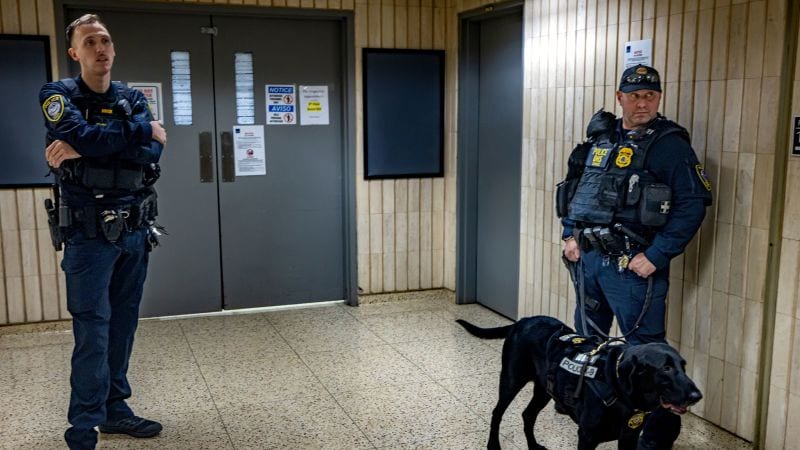
The immediate effect of the ruling is that immigration officers can no longer rely on this Trump-era policy to make arrests at immigration courts nationwide. Enforcement agencies must adjust their on-the-ground practices in and around those courts in response to the judge’s order.
The decision does not erase broader immigration enforcement powers, but it does redraw one key line: courthouses, at least for the scope of this ruling, are no longer sanctioned arrest zones under the blocked policy. For immigrants, attorneys, and court staff, that change shifts the atmosphere in immigration court buildings, which had become closely associated with the risk of sudden detention.
How agencies respond in practice, and whether officials seek to rework or challenge the order, will determine whether this ruling marks a long-term constraint or a temporary pause in courthouse-focused enforcement.
How this fits into the larger Trump-era policy battles
The blocked courthouse arrest policy is one slice of a much larger legal and political fight over Trump-era immigration measures. From the moment those policies were introduced, advocacy groups, state officials, and civil rights organizations tested them in court, arguing that they overreached or chilled access to justice.
This ruling out of California slots into that broader pattern of nationwide injunctions against key elements of the Trump approach. Federal judges have repeatedly been asked to decide not only whether the government can enforce immigration law aggressively, but where and how it can do so without distorting the justice system itself.
For listeners tracking the long arc of immigration policy, this decision is another sign that the legacy of Trump-era rules is still being reshaped years later by ongoing litigation and judicial review.
“Trump-era immigration rules are still being rewritten in courtrooms long after they were first rolled out.”
What to watch next as the courthouse arrest block takes hold
The central question now is what happens after this nationwide block. The administration responsible for defending the Trump-era policy could appeal, seek a stay that would revive courthouse arrests while the case proceeds, or accept the constraints and revise enforcement guidelines around immigration courts.
Legal observers will also be watching whether similar challenges emerge in other parts of the immigration system, especially where access to courts, counsel, or hearings intersects with enforcement tactics. The answer will shape how safe immigrants and their lawyers feel when they enter any government building tied to their cases.
For real-time reactions, legal analysis, and political fallout, listeners can Follow live news and talk on Spinn Radio, where this ruling and other major court decisions are part of the daily conversation.
Good to know
Frequently asked questions
What did the federal judge decide about courthouse arrests?
A federal judge in California issued a nationwide block on a Trump-era policy that allowed immigration arrests at courthouses. The ruling halts that enforcement tactic across the United States.
Why were immigration courthouse arrests controversial?
Courthouse arrests were controversial because they made immigrants risk detention simply by appearing in court. Critics warned that this would discourage people from attending hearings or seeking legal help.
Does this ruling end immigration enforcement at courts completely?
The ruling blocks a specific Trump-era policy that authorized courthouse arrests, not immigration enforcement in general. Agencies still have broader powers, but they cannot rely on this particular policy at immigration courts.
What happens next after the nationwide block on the policy?
Next steps could include an appeal or revised enforcement rules, as the government decides how to respond to the judge’s order. How that plays out will determine whether the block remains a lasting limit on courthouse arrests.
Explore more on Spinn Radio: Follow live news and talk on Spinn Radio
Sources