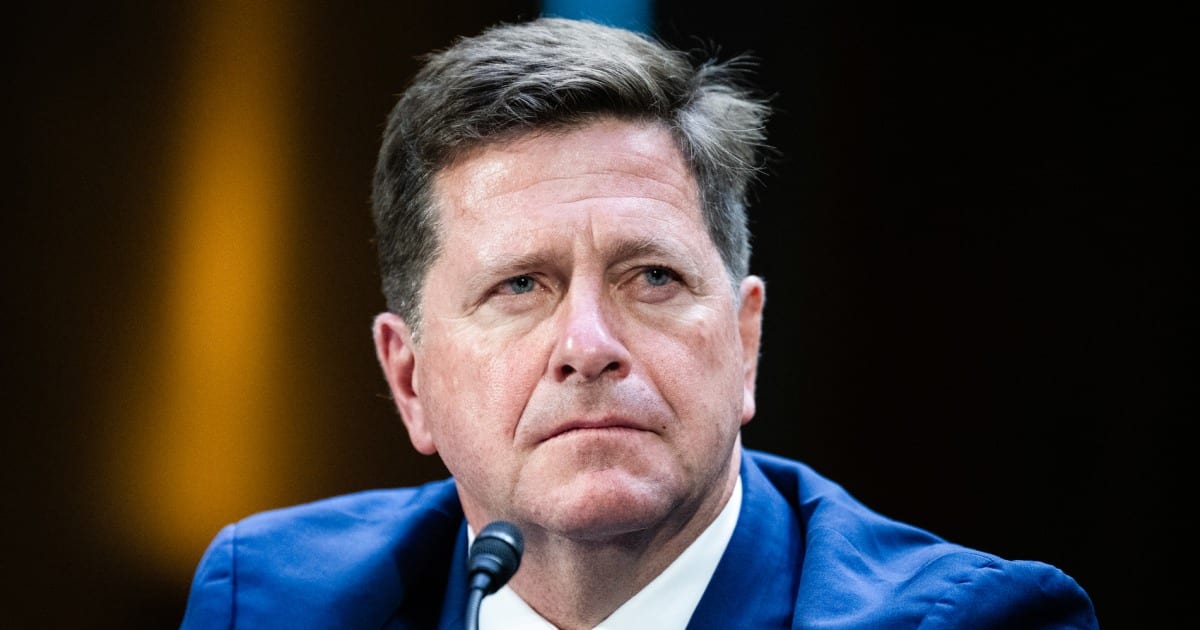
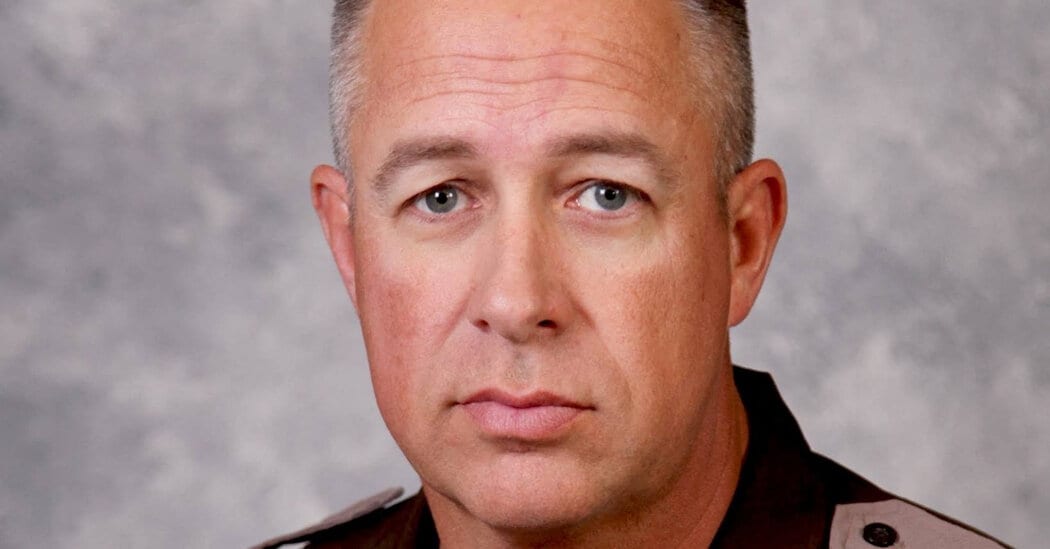
Donald Trump has moved to install Lance Schroyer as the next director of Immigration and Customs Enforcement, according to reporting from The New York Times. Schroyer, an adviser to Homeland Security Secretary Markwayne Mullin, has been put forward to lead one of the administration’s most contested agencies.
The choice, confirmed in parallel coverage by the New York Post, puts a trusted Department of Homeland Security insider atop ICE at a moment when immigration enforcement, border policy, and the machinery of DHS are again at the center of national politics.
Key facts
- Source
- The New York Times
- Reported
- June 27, 2026
- Desk
- general
- Follow the story
- Spinn Radio Movies
Who Lance Schroyer is and why Trump wants him at ICE
The New York Times reports that Trump has nominated Lance Schroyer, described as an adviser to Homeland Security Secretary Markwayne Mullin, to serve as ICE director. That makes Schroyer a familiar figure inside the current DHS structure, rather than an outside pick or a figure drawn from a separate law enforcement agency.
Schroyer’s status as an adviser to Mullin is the key detail in the early reporting. It places him within the secretary’s orbit, close to decision making on immigration and homeland security policy. For Trump, installing a Mullin adviser at the top of ICE suggests a preference for continuity with the secretary’s agenda and a director who already understands the internal dynamics at DHS.
The immediate takeaway is simple: ICE is set to be led by someone who already works with the department’s top leadership rather than a political outsider. That signals a tight loop between the secretary’s office and day‑to‑day enforcement at one of DHS’s most visible components.
“Schroyer is not an unknown quantity inside DHS, he is coming straight from the secretary’s advisory circle.”
What is at stake with ICE’s leadership changing hands
Immigration and Customs Enforcement is routinely one of the most scrutinized U.S. government agencies, and the New York Times characterizes it as “high-profile” in its coverage of Schroyer’s nomination. The director’s role shapes how the agency enforces immigration law, prioritizes cases, and responds to White House directives on detention and removal.
A new ICE director chosen directly by Trump, and drawn from Markwayne Mullin’s advisory team, is likely to be central to how the administration frames its broader immigration push. Even without detailed policy proposals in the early reporting, the nomination alone signals that Trump wants an ally with close DHS ties steering ICE through the next phase of political and legal battles over enforcement.
For viewers and news followers, the key point is that leadership at ICE is not a symbolic appointment. The person in that chair sets the tone for how aggressive or restrained the agency is in practice, and Schroyer’s confirmation process will be a first test of how much latitude Trump intends to give DHS on immigration.
“The director’s chair at ICE is where campaign rhetoric about immigration collides with the daily reality of enforcement.”
Spinn Radio
Follow film news on Spinn Radio
How Markwayne Mullin’s DHS role connects to the ICE pick
The central relationship in this nomination is between Lance Schroyer and Markwayne Mullin, who serves as Secretary of Homeland Security. The Times identifies Schroyer as an adviser to Mullin, which means the two are already aligned on key departmental priorities and strategy.
By elevating an adviser rather than a rival power center, Trump effectively strengthens Mullin’s influence over ICE. An agency that can sometimes operate as its own political force inside DHS is now, if Schroyer is confirmed, likely to be led by someone whose recent experience comes from working directly for the secretary.
For anyone tracking how DHS as a whole will function under Trump, that is the critical detail: an ICE director shaped in the secretary’s office means less daylight between departmental policy and front-line enforcement. When future debates over raids, detention standards, or cooperation with local authorities flare up, they will now trace back through a leadership chain that starts with Mullin and runs through Schroyer.
“Putting a Mullin adviser in charge of ICE tightens the chain between DHS headquarters and street‑level immigration enforcement.”
How other outlets are framing Trump’s Lance Schroyer choice
Two major outlets surfaced news of the pick on June 27, 2026, underscoring its political weight. The New York Times reported that Trump said he was nominating Schroyer to lead ICE, anchoring the story in his role as an adviser to Markwayne Mullin. The New York Post, in its own headline, similarly focused on Trump’s decision to tap Schroyer as the next ICE director.
That dual coverage gives an early sense of how the nomination will be discussed publicly. Both sources emphasize the fact of Trump’s personal selection and the high-profile nature of the agency, not yet the granular policy agenda. For now, the central narrative is that Trump is installing a trusted DHS insider to run one of the most politically charged arms of the federal government.
For readers trying to keep up with a fast‑moving news cycle, the overlapping headlines from the Times and the Post are the first signal that Schroyer’s name is one to watch in upcoming confirmation hearings and immigration debates.
“Early coverage from both the Times and the Post keeps the focus on Trump’s choice and ICE’s visibility, not yet on detailed policy blueprints.”
What to watch next as Lance Schroyer’s ICE nomination moves forward
The immediate next phase in this story is what happens to Lance Schroyer’s nomination once it leaves the White House announcement level. The New York Times reports that Trump has said he is nominating Schroyer, which means confirmation proceedings will now determine whether he actually takes the helm at ICE.
Key questions will include how lawmakers respond to Schroyer’s close ties to Markwayne Mullin, how much they press him on enforcement philosophy, and whether the administration offers more detail on how it wants ICE to operate in a new term. The high‑profile nature of the agency almost guarantees that the confirmation path will generate additional headlines, even if early reporting has kept to the basics of the nomination.
For ongoing coverage, Spinn Radio will track how this appointment intersects with broader political storytelling, including how immigration policy and government power show up in documentaries and scripted projects. To follow related narratives and future screen portrayals of DHS and ICE, you can Explore film coverage on Spinn Radio as this political casting choice moves from headline to confirmation battle.
“The nomination is just the opening act; the confirmation fight will show how much political capital Trump is ready to spend on his chosen ICE director.”
Good to know
Frequently asked questions
Who is Lance Schroyer in the context of Trump’s ICE plans?
Lance Schroyer is an adviser to Homeland Security Secretary Markwayne Mullin whom Trump has said he is nominating to serve as ICE director, according to the New York Times.
What role would Schroyer play if confirmed to lead ICE?
If confirmed, Schroyer would serve as director of Immigration and Customs Enforcement, guiding how the high-profile agency carries out federal immigration enforcement.
How is Markwayne Mullin connected to the ICE nomination?
Markwayne Mullin is the DHS secretary, and Schroyer currently serves as his adviser, so elevating Schroyer would extend Mullin’s influence directly into ICE leadership.
Why is Trump’s choice of ICE director drawing attention now?
Trump’s decision to nominate Schroyer is drawing attention because it places a DHS insider atop one of the most politically sensitive agencies, at a moment when immigration policy is again in the spotlight.
Explore more on Spinn Radio: Explore film coverage on Spinn Radio