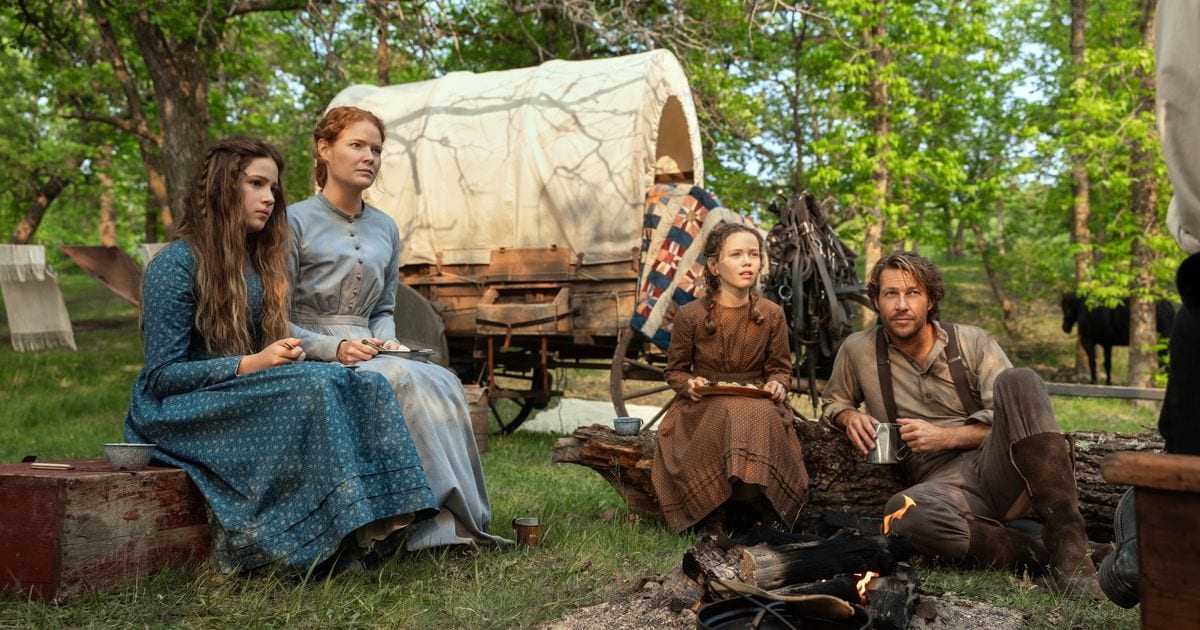
A first-person essay published by The Free Press this week describes how the classic TV series “Little House on the Prairie” became a catalyst for one writer’s reconciliation with his estranged family after the collapse of his public life. In the piece, poet Joseph Massey writes that returning to the “quiet moral world of Walnut Grove” offered a framework for forgiveness that his real life, and his former public persona, had not.
The account, reported on July 12, 2026, arrives at a moment when audiences are reexamining legacy television for its emotional and ethical ballast. Massey’s story positions “Little House on the Prairie” not as nostalgia programming, but as a practical guide for rebuilding trust inside a damaged household.
Key facts
- Source
- The Free Press
- Reported
- July 12, 2026
- Desk
- entertainment
- Follow the story
- Spinn Radio Movies
Why Joseph Massey turned to Little House on the Prairie
In The Free Press essay, Joseph Massey links two crises: years of estrangement from his family and what he describes as the collapse of his public life. That pairing defines the stakes. The writer is not just dealing with private tension, but with the fallout from a career or reputation that once unfolded in full view of an audience, then fell apart.
Against that backdrop, Massey singles out “Little House on the Prairie, ” set in the fictional town of Walnut Grove, as an unlikely lifeline. The series is known for its frontier setting and straightforward moral dramas inside and around the Ingalls family home. Massey credits this “quiet moral world of Walnut Grove” as the place where he started to find a path toward forgiveness.
The concrete takeaway is simple and striking: at a moment when his real-world roles had failed him, Massey looked to a decades-old family drama as a model for how to face his own family again.
“At the very moment his public life fell apart, Massey looked to Walnut Grove for a script on how to live at home again.”
How a frontier town’s ‘quiet moral world’ models forgiveness
The moral architecture of Walnut Grove is central to Massey’s account. “Little House on the Prairie” builds its episodes around clear conflicts that eventually give way to confession, consequence, and some form of reconciliation. According to Massey’s essay, that predictable cycle, played out in a small prairie town, offered a counterpoint to the more chaotic arc of his own recent years.
By calling it a “quiet moral world, ” Massey signals that what he found was not grand spectacle, but everyday ethics: neighbors facing one another across kitchen tables, parents and children confronting hard truths, and communities wrestling with how to live together again after a breach of trust. For someone estranged from his own relatives, those scenes carried obvious resonance.
The key detail for readers is that Massey did not claim the show erased his history or decided outcomes for him. Instead, it gave him a language and rhythm for forgiveness, something he could then try to translate from scripted Walnut Grove into the messier reality of his family life.
“The prairie town did not erase his past, it gave him a rhythm for confession, consequence, and trying again.”
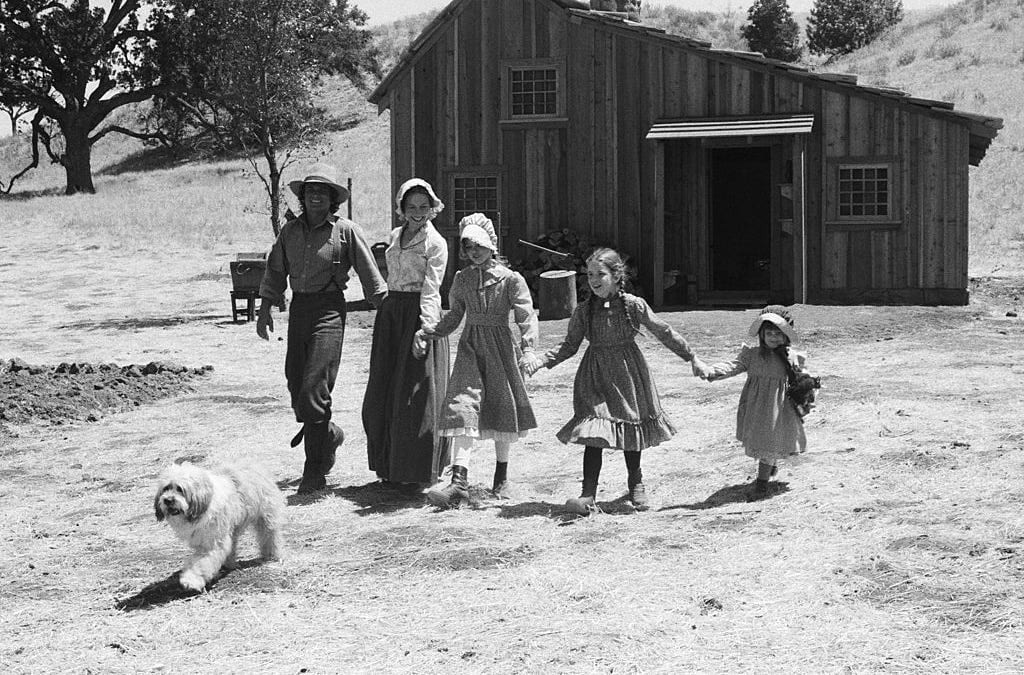
Spinn Radio
Follow film news on Spinn Radio
What Massey’s family estrangement reveals about public collapse
Massey ties his family estrangement directly to “the collapse of my public life, ” suggesting that whatever damaged his reputation also fractured his closest relationships. The Free Press positions this not as a minor biographical detail, but as the engine of the narrative. The public collapse sets the stage. The private break with family is the cost. The rewatching of a family drama becomes his attempt at repair.
The essay treats public and private selves as intertwined. A career or image can fall apart in headlines, but the deeper losses often unfold in living rooms and at holiday tables. Massey’s account makes that connection explicit by pairing his estrangement from relatives with the aftermath of his public downfall.
For readers, the memorable point is that the story is less about the details of his past public life and more about what comes after. The focus stays on the work of slowly approaching his family again, using the patterns he sees in “Little House on the Prairie” as a guide for what contrition and acceptance might look like when the cameras are off.
Why Little House on the Prairie still resonates with viewers in crisis
Massey’s piece underscores why a show like “Little House on the Prairie” keeps resurfacing in moments of personal crisis. The frontier setting may be historical fiction, but the problems it stages are contemporary: betrayal inside a family, shame after failure, and the question of whether someone who has hurt others can be welcomed back.
By returning, episode after episode, to those dilemmas, the series offers what Massey calls a “quiet” environment in which to think about right and wrong. The Free Press essay implies that this quiet is part of the appeal. At a time when public scandals and online outrage can move faster than any individual can process, a slower, morally direct series lets viewers linger on what remorse and repair might actually demand.
If you want to see how other films and shows work through similar themes of collapse and redemption, Spinn Radio’s Explore film coverage on Spinn Radio hub collects current and archival coverage of movies that, like “Little House, ” put character and conscience at the center of the story.
“In an age of fast-moving outrage, the show’s slow moral pacing gives viewers room to imagine what repair might actually require.”
What to watch next as this personal story gains attention
With The Free Press placing Massey’s account on its entertainment desk and reporting it on July 12, 2026, the essay is positioned as both cultural criticism and a personal reckoning. That timing matters. It lands amid continuing debates about how public figures respond to their own pasts and whether audiences should accept narratives of growth and forgiveness.
For now, the concrete facts are limited to Massey’s own framing: years of estrangement, a collapsed public life, and a return to “Little House on the Prairie” as a guide for forgiveness. The Free Press does not, in the material available, lay out detailed timelines, specific incidents, or the precise outcomes of his renewed contact with family.
The next developments to watch are how readers respond and whether this blend of confession and television criticism influences broader conversations about legacy shows. Spinn Radio will continue tracking how classic screen stories shape real lives through its Movies coverage, which you can follow via Explore film coverage on Spinn Radio.
Good to know
Frequently asked questions
What is the new essay about Little House on the Prairie?
The essay is a first-person account by Joseph Massey describing how watching Little House on the Prairie helped him seek forgiveness after family estrangement and the collapse of his public life.
Who is Joseph Massey in this Little House story?
Joseph Massey is the writer who describes in The Free Press how the moral world of Walnut Grove guided him toward reconciliation with his estranged family after his public life fell apart.
How did Little House on the Prairie affect his family estrangement?
The show influenced his estrangement by giving him a model for forgiveness and reconciliation, which he then tried to apply to his own relationships at home.
Where can I follow more coverage of this essay and similar films?
You can follow more coverage of this essay and related screen stories in the Spinn Radio Movies section, starting with the hub at /movies.
Explore more on Spinn Radio: Explore film coverage on Spinn Radio
Sources