The Big Bash League is back in the headlines, with outlets from Cricket Addictor to Lokmat Times reporting that Cricket Australia and the six state associations have agreed in principle to a privatisation model for the competition. On the same day, PerthNow revealed that the Australian Cricketers Association has rejected the current proposal, underlining just how contested the league’s future shape has become.
At the same time, News18 reports that Australia is exploring the idea of staging the 2026 BBL opening matches in India, which would mark an extraordinary expansion play for a tournament that began in 2011 as a domestic summer sideshow. For fans, it means the Big Bash League is not just about December-to-February fireworks anymore, it is a live case study in how Twenty20 cricket evolves, commercialises and tries to keep its identity intact.
Key facts
- Sport
- Cricket
- Country
- Australia
What is the Big Bash League and why does it matter?
The Big Bash League, commercially the KFC Big Bash League, is Australia’s professional Twenty20 cricket competition. Launched by Cricket Australia in 2011, it replaced the old state-based format with eight city franchises and locked itself into the holiday window between December and February. That timing means kids are off school, tourists are in town and the BBL has space to dominate the long summer evenings.
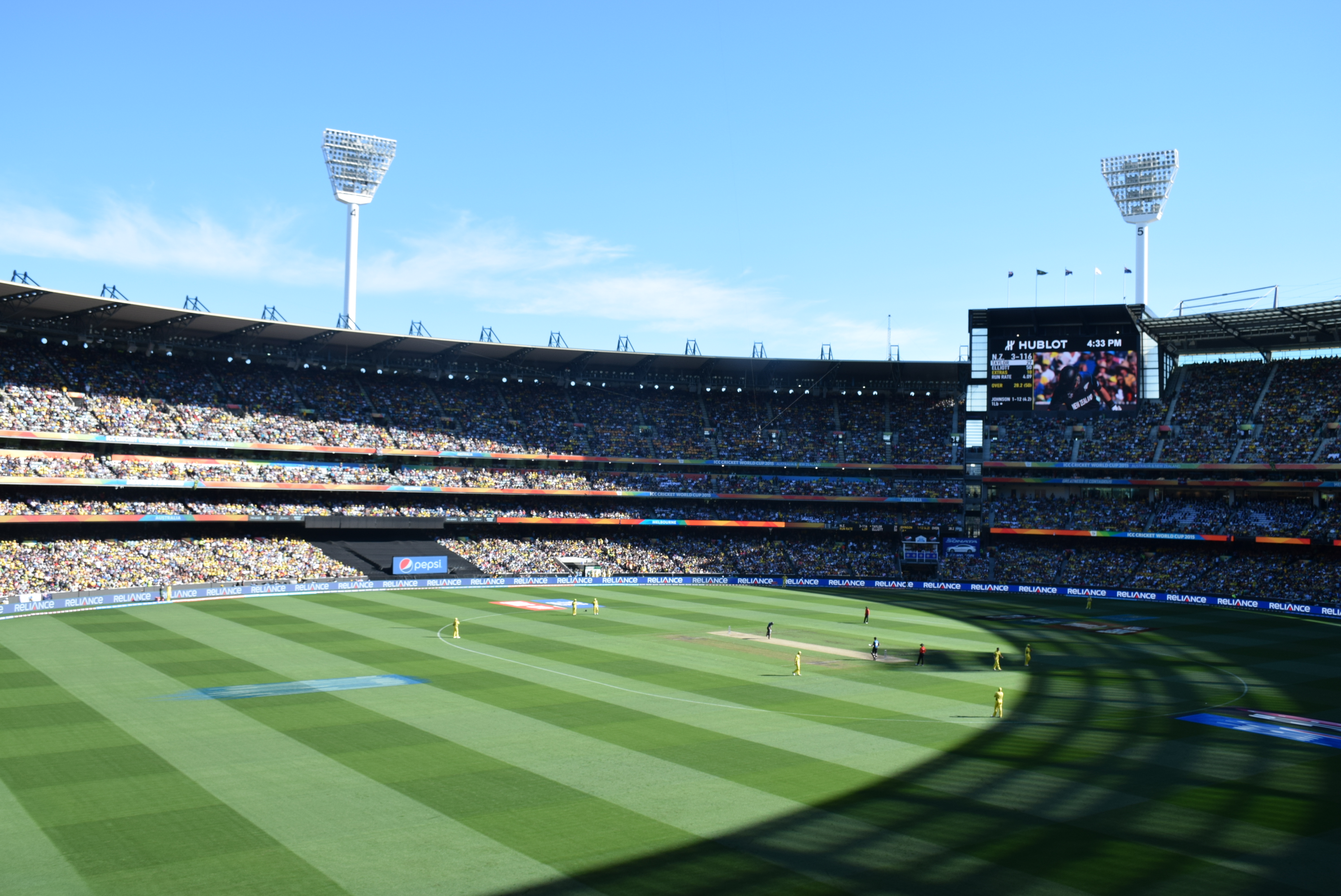
From early seasons it was clear the experiment had worked. By the 2016-17 campaign, the BBL was one of only two T20 leagues, along with the Indian Premier League, to rank inside the top ten domestic sports competitions worldwide in average crowd attendance. That statistic alone explains its significance: a short-form cricket league, mostly played in the heat of Australian summer, suddenly sat alongside the biggest football and basketball competitions on earth for live turnout.
The takeaway for fans is simple: if you want to understand modern cricket as a stadium product, with music, fireworks and a three-hour storyline, the Big Bash League is a prime case study. Its December start each year has become the unofficial signal that the Australian summer of cricket has fully kicked in.
“If you want to understand modern cricket as a three-hour stadium storyline, the Big Bash League is where to start.”
How the BBL grew from 2011 launch to global T20 heavyweight
Cricket Australia founded the Big Bash League in 2011 with a clear shift in mind: move from traditional state teams to city-based franchises that casual fans could latch onto quickly. The result was eight distinct identities spread across the major population centres, each rooted in a specific city and home venue. Although player rosters and coaches have evolved over time, the core idea has remained stable: a fast, franchise-driven competition that feels different from Test and one-day internationals yet still fits within the national calendar.
The real breakthrough came between 2011 and the mid-2010s, as attendances built season on season. By 2016-17, when the BBL joined the Indian Premier League in that top tier of global domestic crowds, the league had proven that a short-format tournament in Australia’s summer could be appointment viewing. Families filled the stands in the week between Christmas and New Year, and double-headers became a familiar pattern on TV schedules.
That climb into the attendance elite is the key historical honour for the BBL. It did not have the decades of tradition that longer-format domestic competitions enjoy, but within about five years of launch it had secured its place as one of the world’s most-watched domestic sports properties, at least in terms of fans in the stadium.
“Within about five years of launch, the BBL had forced its way into the global top tier for domestic sports crowds.”
Spinn Radio
Explore Big Bash League on Spinn Radio
The city franchises and the summer venues that define Big Bash
The eight BBL franchises are designed around major cities rather than state borders, which gives the competition a distinct look. Although the detailed breakdown of nicknames, coaches and home grounds shifts over time, the underlying structure is fixed: every club anchors itself to a specific metropolitan base and a primary stadium. That could be a traditional cricket ground in a capital city or a multi-use venue that also stages football and concerts, but in December and January it turns into a T20 stage.
For fans, the geography is part of the appeal. A night fixture in Australia’s big-city venues offers a different flavour from the long, languid days of Test cricket. The BBL’s schedule between December and February lets supporters plan holidays around home games, and it creates mini rivalries built on city pride rather than state history. When you pick a BBL team, you are often picking a skyline, a stadium and a colour as much as a squad list.
If you are new to the competition, one useful way in is to choose a club based on where you would most like to watch a summer evening match. Think about the city atmosphere, the typical pitch conditions and the holiday calendar, then start tracking that franchise across a season.
“When you choose a BBL team, you are often choosing a skyline, a stadium and a colour as much as a squad list.”
Why BBL privatisation talks and India opener plans matter now
Cricket Addictor and Lokmat Times both reported this week that Cricket Australia and the six state associations have reached in-principle agreement on a new, privatised ownership model for the Big Bash League. At the same moment, PerthNow highlighted how the Australian Cricketers Association has rejected the current proposal. That split tells you everything about the stakes: governance, player conditions and the balance between commercial and sporting priorities are all on the table.
Privatisation would likely open the door to new investors and potentially more aggressive expansion or scheduling, which helps explain News18’s separate report that Australia wants to stage the 2026 BBL opening matches in India. Taking the league offshore for its curtain-raiser would be a bold statement about chasing broadcast markets and fan bases beyond Australia, and it would instantly make that 2026 opener one of the most talked-about events in franchise cricket.
For supporters, the key thing to watch is how any ownership change affects the fundamentals that made the league compelling: city-based teams, accessible match times and the December to February window. The current debate between Cricket Australia, state bodies and the players’ association will shape not just the financial model but the fan experience in the stands and on screens.
“The real question for fans is whether privatisation strengthens the BBL’s city-based summer identity or stretches it into something else entirely.”
What to watch for in the next Big Bash League seasons
The immediate storyline is structural: will Cricket Australia and the Australian Cricketers Association find common ground on privatisation, and how quickly can any new model be introduced without disrupting upcoming seasons? As reports from Republic World and others suggest, there is agreement in principle from the states but still real opposition from the players’ side, so expect several more rounds of negotiation before anything is final.
On the field, the league will continue to be defined by its tight calendar and the sense that every match matters in a compressed window. With fixtures spaced across December, January and into February, there is little room for slow starts, which tends to produce aggressive batting, creative bowling changes and high-intensity finishes. Fans planning their viewing can circle that holiday period, knowing the BBL will be providing nightly storylines while other competitions pause or slow down.
Looking a bit further ahead, the proposed 2026 opener in India, if it comes off, will be a landmark moment that tests the league’s appeal in a neutral market. Keep an eye on how broadcasters present the BBL in the lead-up to that, and how franchises talk about their brand abroad. The next few summers will show whether the Big Bash League consolidates as Australia’s primary T20 festival or evolves into something more global in scope.
Good to know
Frequently asked questions
When was Big Bash League founded?
The Big Bash League was founded in 2011 by Cricket Australia. It replaced the previous state-based T20 format with a new city-franchise model.
What country hosts the Big Bash League?
The Big Bash League is hosted in Australia. It is scheduled in the Australian summer between December and February each season.
What sport is played in the Big Bash League?
The Big Bash League is a professional Twenty20 cricket competition. It features short-format matches built around city-based franchises.
Why is the Big Bash League called the KFC Big Bash League?
The Big Bash League is also known as the KFC Big Bash League because of a title sponsorship agreement. The fast-food brand has naming rights to the tournament.
How popular is the Big Bash League compared to other T20 leagues?
In the 2016-17 season the Big Bash League ranked in the global top ten domestic sports competitions for average attendance, alongside the Indian Premier League. That placed it among the highest-drawing T20 leagues worldwide for live crowds.