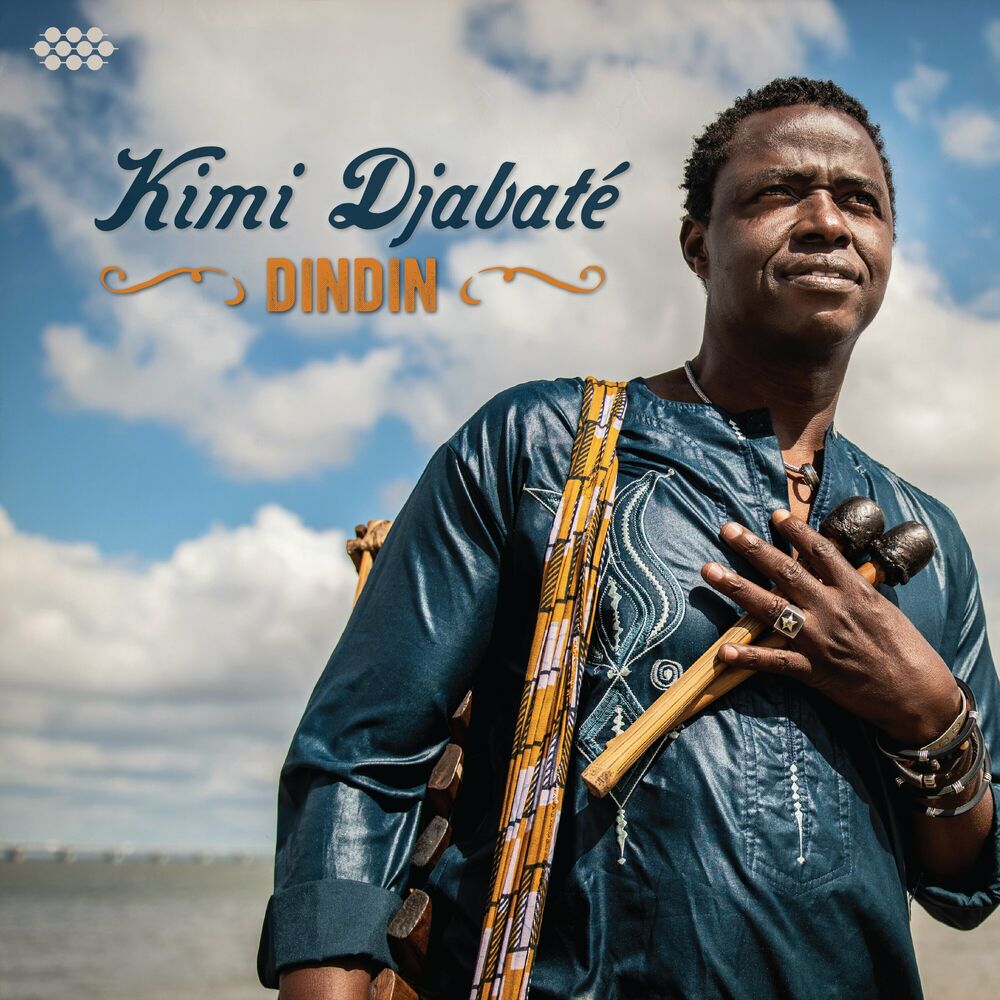
Kimi Djabaté
3.9K listeners23.3K plays
About Kimi Djabaté
Kimi Djabaté was raised in Tabato, Guinea-Bissau, a village known for its griots, hereditary singer-poets whose songs of praise and tales of history and legends play an essential role in Africa’s musical life. Centuries ago, Djabaté’s ancestors, a wandering troupe of musicians from Mali, traveled to the region and the king of Guinea so loved their songs he invited them to stay and offered them the territory of Tabato. Ever since, the area has been a recognized center for music, dance, handcrafts and other creative arts.
As an Amazon Associate, Spinn Radio earns from qualifying purchases.
Top Tracks
1
Dindin
2
Kodé
3
Afonhe
4
Alidonke
5
Ná
6
Yensoro
7
Karam
8
Kambem
9
Djugu Djugu
10
O Manhe
11
Sano
12
Jombé
13
Mussolu
14
Mogolu
15
Mana Mana
16
Mbembalu
17
Fatu
18
Manla
19
Manhó
20
Dabô
21
Alifatá
22
Fulolón
23
Anhonté
24
Bagi
25
DJalia
26
Banhané
27
Daly Manhe
28
Kodé
29
Saia
30
Ululalu
31
Kanamalu
32
Kodé (Love)
33
Democraci Bunha
34
Kanu
35
Tonha Fó
36
Djanfá Manhe
37
Karam (Education)
38
Nho Sabá Sabá
39
Samá
40
Mussolu (Women)
41
Djaraby-lé
42
Djombé (Personality)
43
Mogolu (The People)
44
Karam
45
Alidonke - Adam Nova Remix
46
Manla (I Cannot Believe It)
47
Djalia (The Griot's Art)
48
Ná (Mother)
49
Fulolón (Ethnicity)
50
Dabô (Tribute to Dabô)
Similar Artists
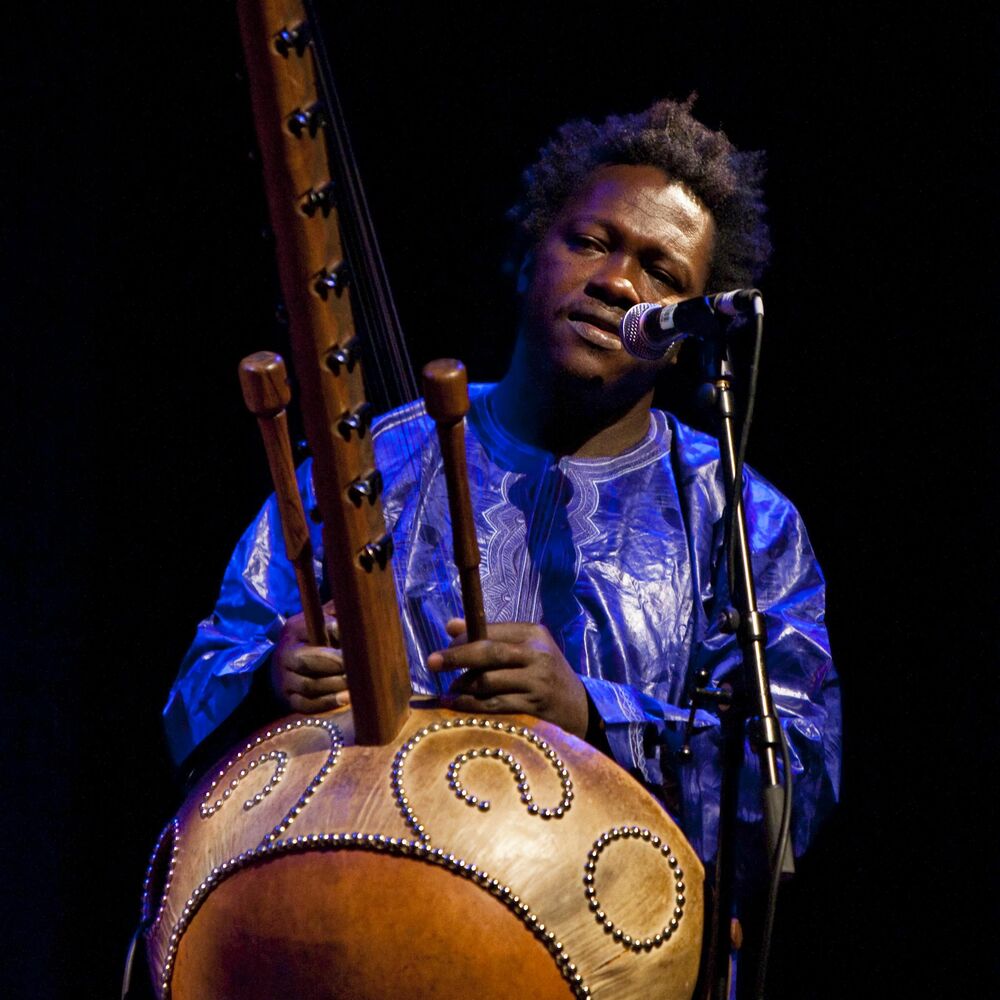


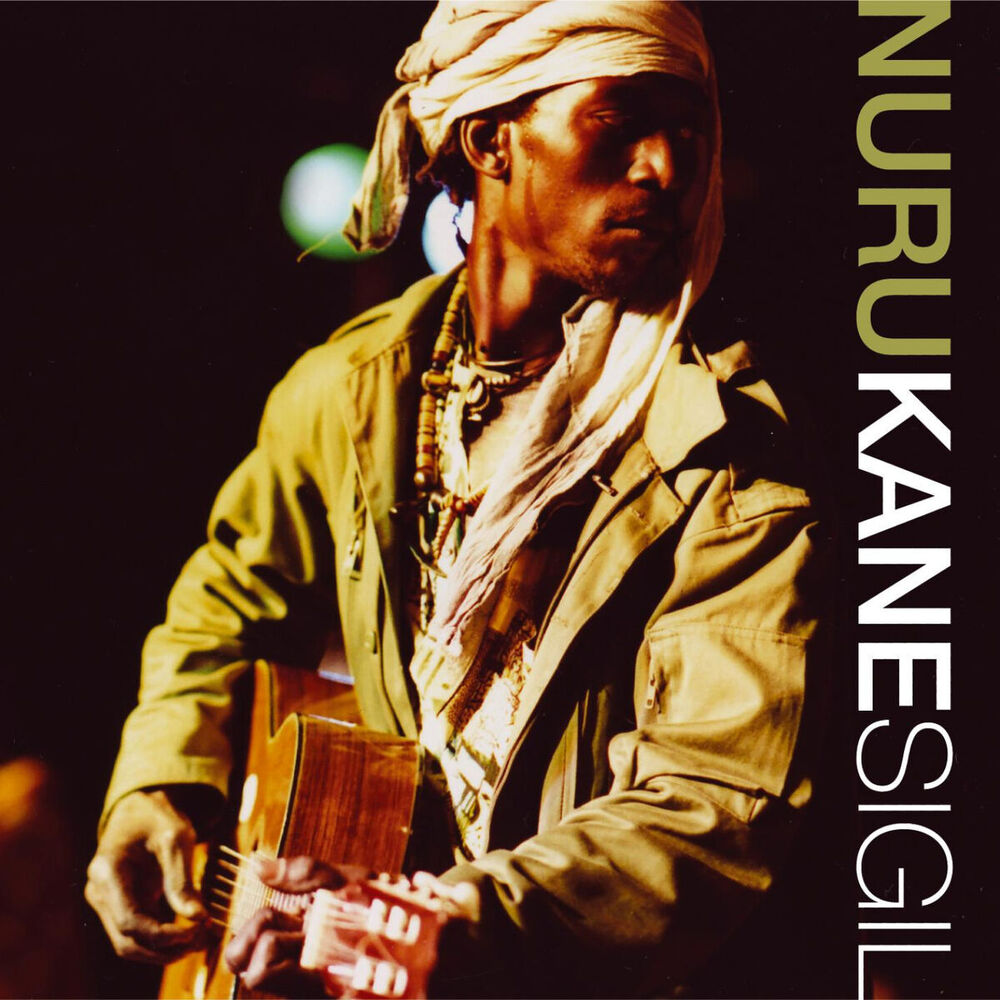


SpinnRadio
Find stations playing Kimi Djabaté
Tune into 50,000+ live radio stations from every corner of the world on an interactive 3D globe with audio-reactive visualizations.