
Japanese Traditional Music
2.7K listeners31.2K plays
About Japanese Traditional Music
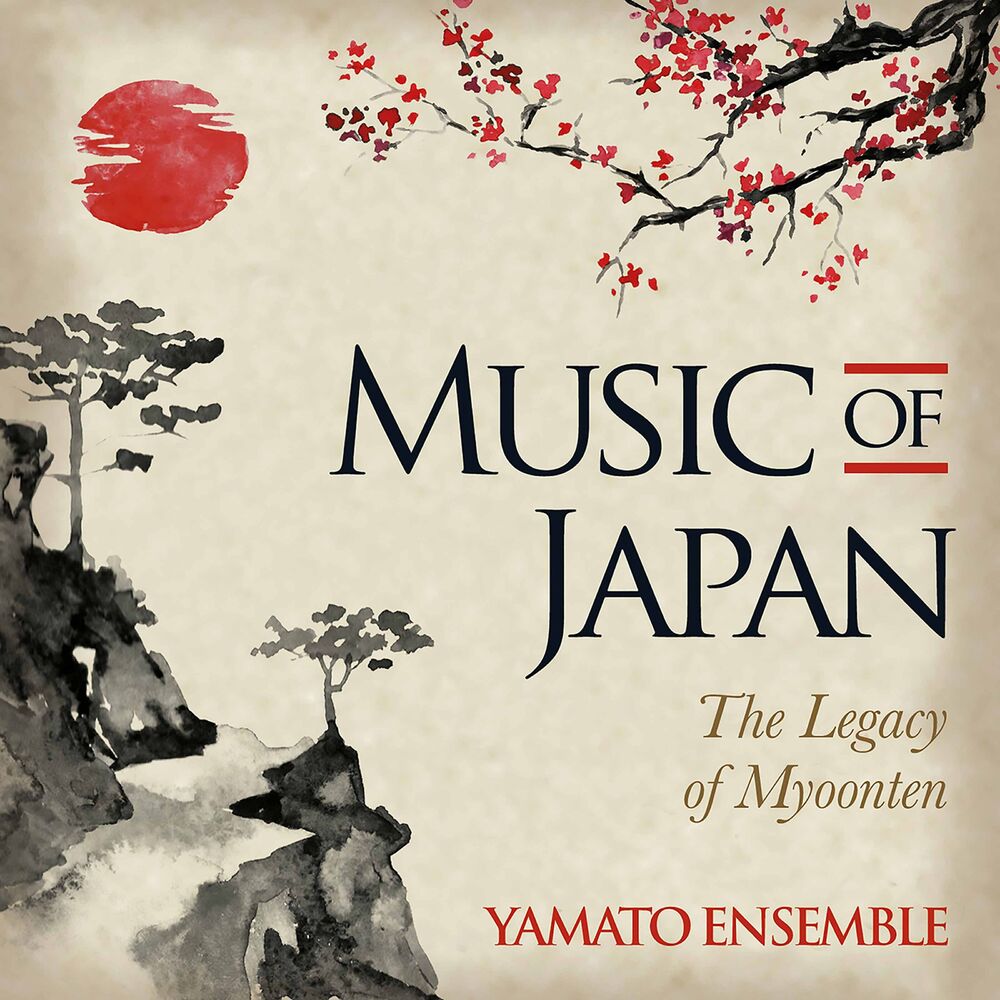
Traditional Japanese music is the term used to describe historical Japanese folk music, or traditional music. One of the characteristics of traditional Japanese music is a sparse rhythm. It also doesn't have regular chords. In Japanese music, one cannot beat time with one's hands because there is an interval ma (間?). The rhythms are based on ma; silence is important. Japanese music flows, in an attempt to reflect the feeling of nature. The tempo usually starts out very slow and gets faster
As an Amazon Associate, Spinn Radio earns from qualifying purchases.
Top Tracks
1
ETENRAKU - HYOUJOU NETORI
2
Rokudan
3
ETENRAKU - ETENRAKU
4
Gion-Bayashi
5
Suwa-Ikazuchi
6
Sawara-Bayashi
7
KISHUNRAKU - OUSHIKICHOU CHOUSHI
8
Chichibu-Yatai-Bayashi
9
OSHIRABE - SANBASOU
10
Kanda-Bayashi
11
Shika No Tone
12
KISHUNRAKU - KISHUNRAKU NO JO
13
chikuzen shoukyoku
14
MOMI NO DAN
15
Daitenryu
16
haru no utage yori
17
Seigaiha - Banshikichou Netori
18
Midare
19
KISHUNRAKU - KISHUNRAKU NO HA
20
kawanakajima
21
Tsuru No Sugomori
22
SEIGAIHA - SEIGAIHA
23
Sanya Sugagaki
24
SUZU NO DAN
25
Gidayuu; Kiyari Ondo
26
KITOKU - KOMA ICHIKOTSUCHOU KONETORI
27
AZUMAASOBI - MOTOMEKO NO UTADASHI
28
Hifumi - Hachigaeshi No Shirabe
29
NAGAUTA; GENROKU HANAMI ODORI
30
JO NO MAI (TAIKO IRI)
31
Kiyomoto; Kanda Matsuri
32
Sakura
33
atsumori
34
KITOKU - KITOKU NO HA
35
Umibe No Yubae
36
CHUU NO MAI (TAIKO IRI)
37
AZUMAASOBI - MOTOMEKO NO UTA
38
Godan - Ginuta
39
Daitenryuu
40
Shimo no Takane
41
Haya Mai
42
gion shouja
43
KITOKU - KITOKU NO KYUU
44
Chidori No Kyoku
45
Gojinjo-Daiko
46
Kojo No Tsuki
47
Toge Hachiri
48
Gidayuu; Nozakimura no Dan
49
Intro
50
Aki No Kyoku
Similar Artists





SpinnRadio
Find stations playing Japanese Traditional Music
Tune into 50,000+ live radio stations from every corner of the world on an interactive 3D globe with audio-reactive visualizations.